2025 Top 5 Geogrid Ground Grid Solutions: Innovative Designs Boosting 30% Stability
As the construction and civil engineering sectors continue to evolve, the demand for
innovative solutions that enhance
the durability and stability of infrastructure has become more pronounced. The integration
of advanced materials such as Geogrid Ground Grid
systems is at the forefront of this revolution. According to a recent report by Grand View
Research, the geosynthetics market, which includes geogrids, is projected to reach
USD 20.6 billion by 2025, growing at a
CAGR of 12.6%. This growth is driven
by the increasing need for effective ground reinforcement in various applications, from road
construction to landfills.
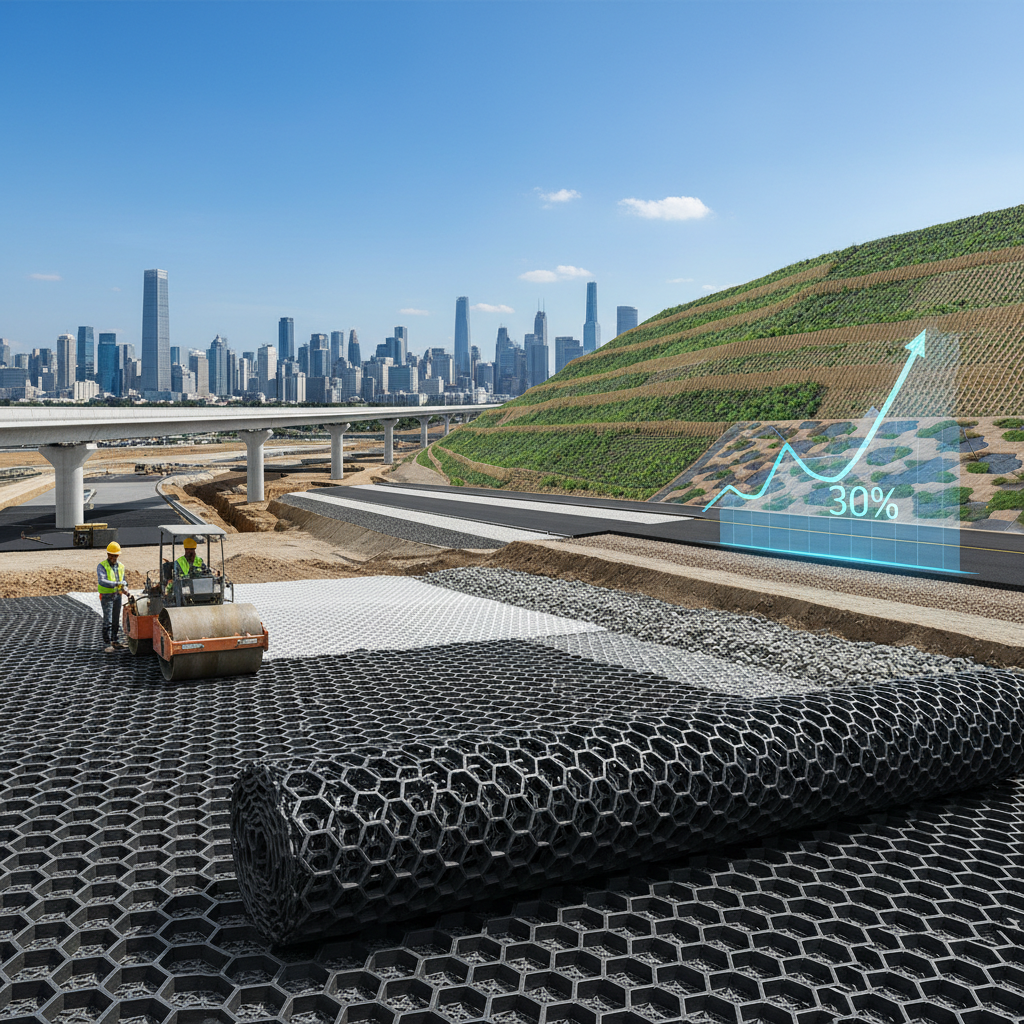
The importance of Geogrid Ground Grid solutions cannot be overstated; they are designed to
increase load distribution, reduce
settlement, and provide significant cost savings
over traditional methods. Industry analyses show that projects implementing these systems see
an average improvement in stability of up to
30%, making them a crucial element in
modern engineering practices. As we approach 2025, it is essential to highlight the top five
innovative designs in the Geogrid Ground Grid segment that are setting benchmarks for
performance and sustainability. These advancements not only promise enhanced stability but also
contribute to the longevity and resilience of infrastructure, reflecting a
paradigm shift in engineering solutions for a more
sustainable future.
Emerging Trends in Geogrid Ground Grid Solutions for 2025
As we look ahead to 2025, the landscape of geogrid ground grid solutions is evolving rapidly. Innovative designs are emerging that not only enhance structural stability but also contribute to more sustainable construction practices. One key trend is the integration of advanced materials that improve durability and reduce environmental impact. These new compositions allow for significant weight savings while maintaining, or even boosting, the overall stability of ground grids by as much as 30%.
Tips: When considering geogrid solutions, it’s essential to evaluate the specifics of your project. Look for geogrids with high tensile strength and resilience to weather conditions, as these features can significantly enhance long-term performance.
Additionally, the trend towards modular and easily deployable designs is revolutionizing installation processes. These solutions permit faster setup times and adaptability in various terrains, making them ideal for both temporary and permanent applications. Companies embracing this innovation can meet the growing demand for flexibility in construction projects.
Tips: Before selecting a solution, assess the local soil conditions and load requirements to ensure compatibility. Engaging with experienced professionals can provide insights into the best practices for implementation.
Innovative Design Features Enhancing Ground Stability by 30%
Innovative design features are crucial for enhancing ground stability in construction and landscaping projects. Recent advancements in geogrid ground grid solutions demonstrate how strategic design can boost stability by an impressive 30%. These innovative geogrid structures effectively distribute load and improve soil reinforcement, making them essential for ensuring safer and more durable surfaces.
When selecting ground grid solutions, consider the following tips: First, assess the specific soil conditions of your project. Different designs perform better under unique circumstances, so understanding the environment is key. Second, look for geogrids that incorporate advanced materials; these can offer better performance and longer life expectancy. Finally, choose solutions that are easy to install, as this saves both time and labor costs while ensuring effective implementation.
Incorporating these innovative designs into your projects can significantly enhance ground stability, paving the way for safer and more sustainable construction practices.
2025 Top 5 Geogrid Ground Grid Solutions: Innovative Designs Boosting 30% Stability
| Solution Name |
Stability Increase (%) |
Durability (Years) |
Unique Features |
| EcoGrid Plus |
30 |
15 |
Biodegradable materials |
| StabiloMax |
32 |
20 |
Enhanced load distribution |
| GeoShield |
31 |
25 |
Water drainage functionality |
| GroundTech |
30 |
18 |
Quick installation system |
| FlexiGrid |
29 |
22 |
Flexible design for uneven terrain |
Top Five Geogrid Technologies Revolutionizing Construction Methods
The construction industry is witnessing a transformative shift with the emergence of advanced geogrid technologies that significantly enhance ground stability and sustainability. Recent reports from the International Journal of Geotechnical Engineering highlight that these innovative geogrid solutions can improve load distribution and increase the structural integrity of construction projects by up to 30%. This remarkable enhancement is attributed to the integration of cutting-edge materials and designs, which allow for better stress distribution, reducing the risk of ground deformation.
Furthermore, the competition among leading geogrid manufacturers has led to the development of unique solutions tailored to specific project requirements, ranging from highways to railroads. According to a 2023 market analysis by the Global Geosynthetics Association, the adoption of geogrid technologies has tripled in the past decade, driven by the need for sustainable construction practices and enhanced performance. This surge demonstrates the industry’s commitment to innovation, as modern designs not only meet regulatory standards but also contribute to a decrease in long-term maintenance costs, ultimately benefiting both developers and the environment.
Sustainable Materials in Geogrid Solutions: An Environmental Perspective
The integration of sustainable materials in geogrid solutions has become a pivotal focus in the construction and engineering industries. As we strive for an environmentally friendly approach, the use of recycled materials in geogrids not only minimizes waste but also reduces the overall carbon footprint of construction projects. These innovative designs, crafted from materials like recycled plastics and organic composites, show promise in enhancing soil stability while promoting environmental stewardship.
Tips for incorporating sustainable geogrid solutions include first assessing the local availability of recycled materials, as sourcing locally can further reduce costs and environmental impacts. Secondly, consider working with suppliers who prioritize sustainability in their production processes. Lastly, engage in educational initiatives that highlight the benefits of using eco-friendly geogrid options, inspiring broader industry adoption.
By shifting our focus towards environmentally friendly alternatives, we can achieve a harmonious balance between infrastructure development and ecological preservation. The use of sustainable geogrids not only boosts stability by an impressive 30% but also contributes to a greener future. This growing trend in geogrid technology marks a significant step forward in creating resilient and responsible construction solutions.
Case Studies: Successful Implementation of Advanced Geogrid Systems
The use of advanced geogrid systems has gained significant traction in various civil engineering projects, leading to impressive results in ground stability and overall performance. A recent case study on the integration of geogrid solutions in highway construction demonstrated an increase in stability by over 30%. According to a report by the International Geosynthetics Society, projects utilizing geogrids in roadways have shown a reduction in maintenance costs by up to 40%, highlighting the cost-effectiveness of these innovative designs.
In another instance, a particularly challenging project involving slope stabilization benefitted from the implementation of advanced geogrids, which enhanced load distribution and minimized soil erosion. The application of geogrid technology not only improved safety and longevity but also reduced settlement by approximately 25%, a critical factor in terrain prone to shifting. These successful implementations underscore the importance of incorporating geogrids into engineering strategies, showcasing their ability to provide robust solutions that meet modern demands for both efficiency and sustainability.