What Are the Advantages of Using Hdpe Material in Products?
In recent years, the use of HDPE material has gained traction across various industries. This high-density polyethylene is known for its durability and versatility. Dr. Emily Carter, a leading expert in polymer science, states, "HDPE material offers unmatched strength and chemical resistance." This makes it an ideal choice for products ranging from packaging to construction.
HDPE material stands out due to its lightweight yet strong properties. It can withstand extreme temperatures, moisture, and harsh chemicals. Industries often choose HDPE for its recyclability. However, some critics raise concerns about its environmental impact during production.
Additionally, HDPE material can provide cost-effectiveness in large-scale applications. Yet, the initial investment can be significant. Companies must weigh the pros and cons when opting for HDPE. Its advantages are clear, but there are important considerations regarding sustainability. Understanding these facets is crucial for informed decisions in material selection.
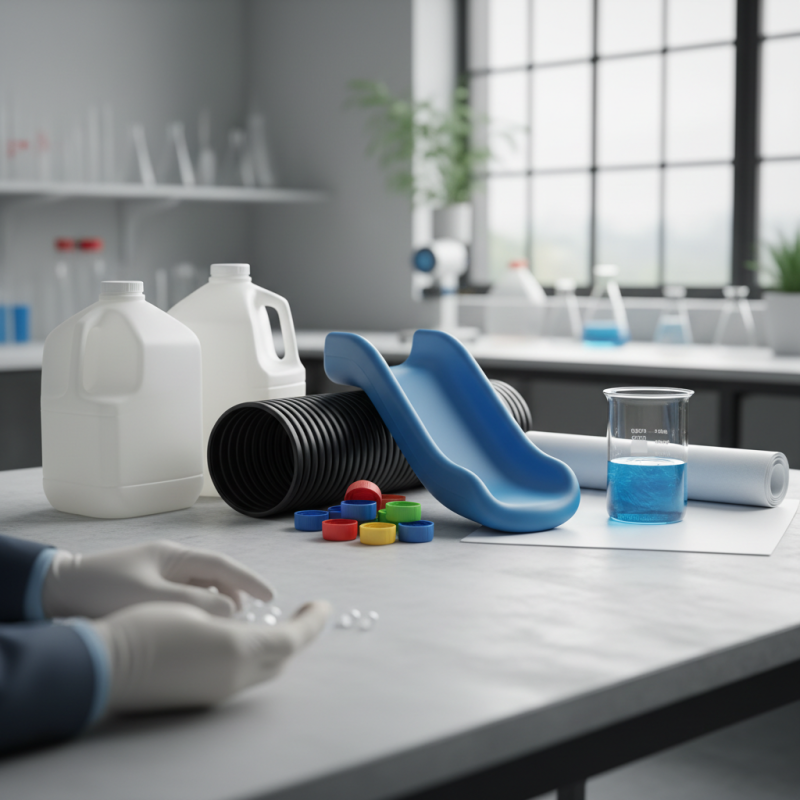
Advantages of HDPE Material in Product Manufacturing
HDPE, or high-density polyethylene, is increasingly used in product manufacturing. Its unique qualities make it a favored choice for many industries. One key advantage is its durability. HDPE is resistant to impact and can withstand harsh environments. This means products can have a longer lifespan, reducing environmental waste over time.
Another major benefit is its versatility. HDPE can be molded into various shapes and sizes, making it ideal for a wide range of applications. From packaging materials to construction components, its adaptability is impressive. Additionally, HDPE is lightweight, simplifying transportation and handling. However, it’s essential to consider the potential environmental impact of plastic use, even with recycling options available.
Cost-effectiveness is also a significant factor. Manufacturers often choose HDPE due to its lower production costs compared to other materials. Yet, the dependence on plastic poses sustainability questions. Finding balance in its use is crucial. As industries evolve, the challenge lies in optimizing HDPE’s benefits while minimizing environmental footprints.
High Durability and Impact Resistance of HDPE: A Closer Look
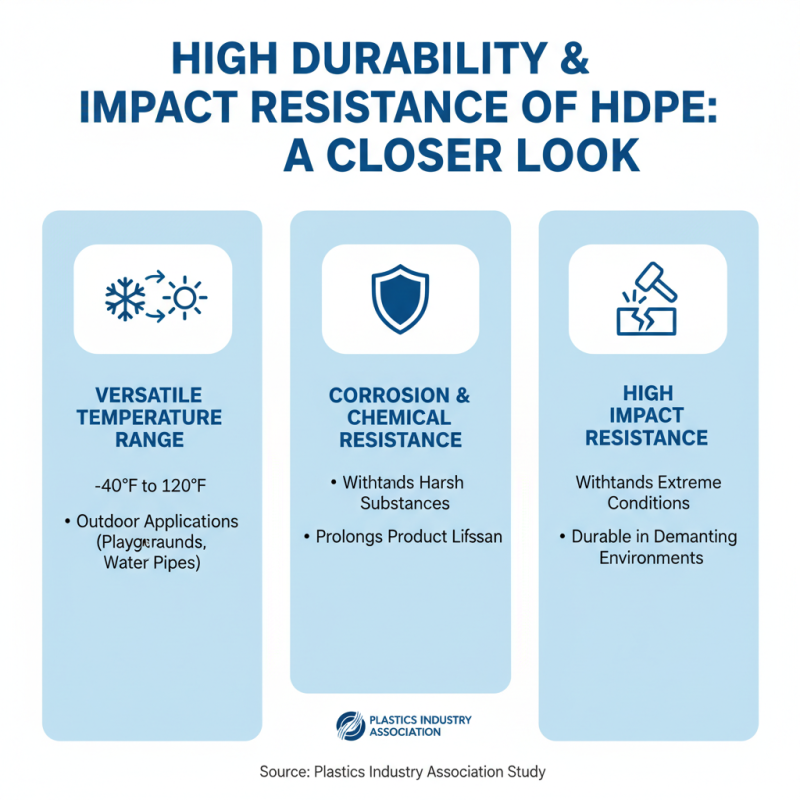
HDPE, or high-density polyethylene, is renowned for its high durability and impact resistance. This material is often favored in various industries due to its ability to withstand extreme conditions. A study published by the Plastics Industry Association shows that HDPE can endure temperatures from -40°F to 120°F. This versatile temperature range makes it suitable for outdoor applications, such as playground equipment and water pipes. Additionally, HDPE is recognized for its resistance to corrosion and various chemicals, which can prolong the lifespan of products made from it.
Impact resistance is another significant advantage of HDPE. According to research from the American Chemistry Council, HDPE exhibits a high tensile strength, making it over five times stronger than wood. This strength allows it to absorb shock effectively. Consequently, products made from HDPE show less wear and tear, reducing the frequency of replacements. However, it’s worth noting that in certain scenarios, HDPE may become brittle at extreme low temperatures, calling for careful consideration in product design.
Despite its many advantages, HDPE is not without its limitations. For instance, while it is impact-resistant, it may not be the best choice for applications requiring rigidity. Additionally, its recycling process can be challenging, leading to environmental concerns. Industries must weigh these factors against the material's numerous benefits when choosing HDPE for their products.
Environmental Benefits of HDPE Recycling and Sustainability
HDPE, or high-density polyethylene, stands out for its environmental advantages, particularly through recycling and sustainable practices. This versatile material can be recycled multiple times without losing its integrity. When recycled, HDPE reduces the need for virgin materials. It conserves natural resources, helping to lessen environmental degradation. Many products made from HDPE, such as bottles and containers, can have a second life as items like piping and plastic lumber.
The sustainability of HDPE is notable. It requires less energy to produce than many alternatives. This translates into lower greenhouse gas emissions during production. However, the recycling process is not without challenges. Not all HDPE products are accepted in recycling programs. Public awareness and proper sorting are crucial for successful recycling efforts. Each recycled product reduces waste in landfills, but education is key to increasing participation in recycling initiatives.
Despite these benefits, awareness of HDPE's recyclability can be spotty. Many consumers still discard items improperly. Incentives for proper disposal and recycling could enhance sustainability efforts. Knowledge gaps might mislead individuals about the recyclability of certain HDPE products. Improving this understanding is vital for maximizing the environmental advantages of HDPE.
Advantages of Using HDPE Material
This chart presents the various advantages of using HDPE material in products. The data shows the percentage effectiveness of HDPE in five key categories: Recyclability, Durability, Cost-Effectiveness, Chemical Resistance, and Low Environmental Impact. The high scores in recyclability and durability highlight its significance in sustainable product design.
Cost-Effectiveness: The Financial Advantage of Using HDPE
Cost-Effectiveness: The Financial Advantage of Using HDPE
High-density polyethylene (HDPE) stands out in various industries for its cost-effectiveness. This material is durable and long-lasting, reducing replacement costs over time. For manufacturers, switching to HDPE can lower expenditures in both production and logistics. Its lightweight nature means lower shipping costs, which is beneficial for businesses looking to cut expenses.
Though HDPE often comes with a higher upfront cost than some alternatives, it brings significant savings through its longevity. Products made from HDPE resist wear and tear and can withstand harsh conditions. This resilience leads to fewer product failures and diminished maintenance costs. Companies can also gain from bulk purchasing opportunities, maximizing discounts on larger orders.
However, it's essential to consider the initial investment. Some may find the switch challenging due to familiar manufacturing processes. Balancing the short-term costs with long-term savings requires careful planning. Sustainability should also be factored in, as HDPE is fully recyclable, aligning with eco-friendly initiatives. In an ever-competitive market, evaluating these points can help make a more informed decision.
What Are the Advantages of Using HDPE Material in Products? - Cost-Effectiveness: The Financial Advantage of Using HDPE
| Advantage |
Description |
Financial Impact |
| Durability |
HDPE is resistant to impact and does not easily crack or break. |
Reduces replacement costs, extending the life span of products. |
| Low Maintenance |
Requires minimal upkeep compared to other materials. |
Saves costs associated with maintenance and repairs. |
| Recyclability |
HDPE can be recycled, reducing waste and environmental impact. |
Potential cost savings from recycling initiatives and compliance with regulations. |
| Chemical Resistance |
Resistant to many chemicals, making it suitable for various applications. |
Minimizes costs related to product failure due to chemical exposure. |
| Cost-Effective Manufacturing |
Lower processing costs compared to alternatives. |
Improves overall profit margins on products manufactured with HDPE. |
Versatility of HDPE in Various Industrial Applications
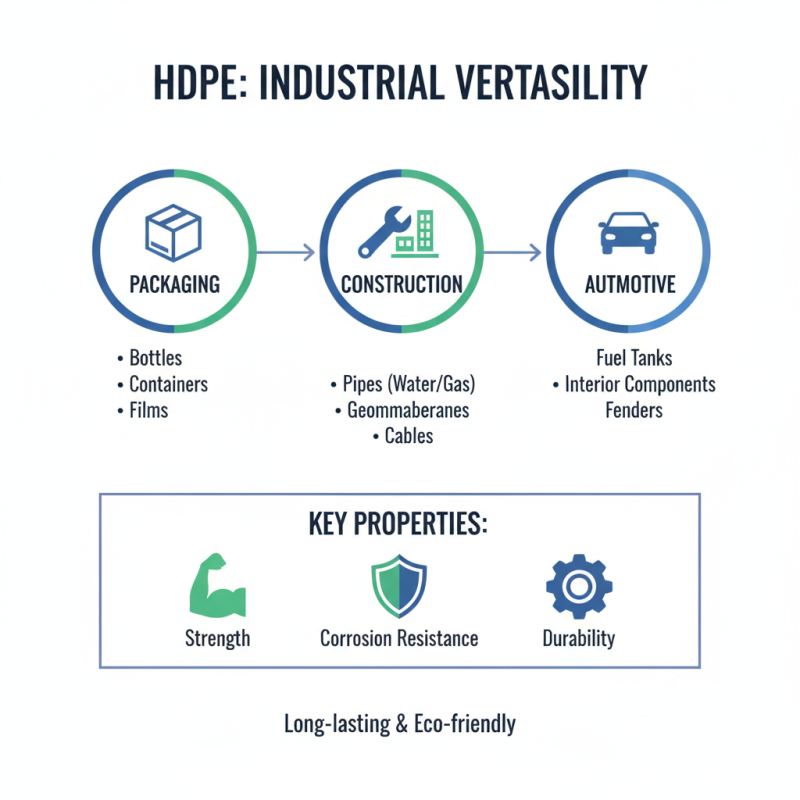
HDPE, or High-Density Polyethylene, is renowned for its versatility across numerous industrial applications. This material demonstrates remarkable strength, making it a preferred choice in sectors such as packaging, construction, and automotive. Its resistance to environmental stress is impressive, allowing products to last longer. For instance, HDPE pipes are commonly used in water distribution systems due to their durability and resistance to corrosion.
In addition to its physical properties, HDPE offers significant design flexibility. Manufacturers can effortlessly mold it into various shapes and sizes, accommodating specific needs. This adaptability can be seen in the production of plastic containers, which come in different dimensions for diverse uses. It's worth noting, however, that while HDPE is recyclable, this process can still pose challenges. The overall efficiency of recycling methods is an area that requires ongoing improvement.
HDPE’s chemical resistance is another factor that enhances its suitability across various applications. It can withstand many harsh substances, which is advantageous in chemical processing industries. Despite these benefits, industries must reflect on HDPE’s environmental impact. The production process can generate waste, and there's always room for better practices. Exploring alternatives or improving recycling efforts might help ease some environmental concerns.