Top 5 Benefits of Using Fibre Geotextile in Modern Construction Projects
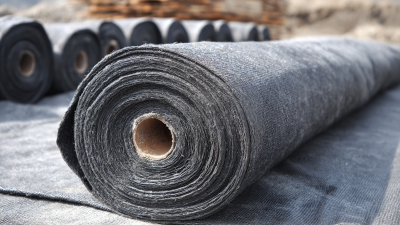
In modern construction projects, the use of innovative materials is crucial. One such material is Fibre Geotextile. It plays a significant role in enhancing the durability and sustainability of structures. This textile serves multiple purposes, making it a versatile choice for engineers and builders.
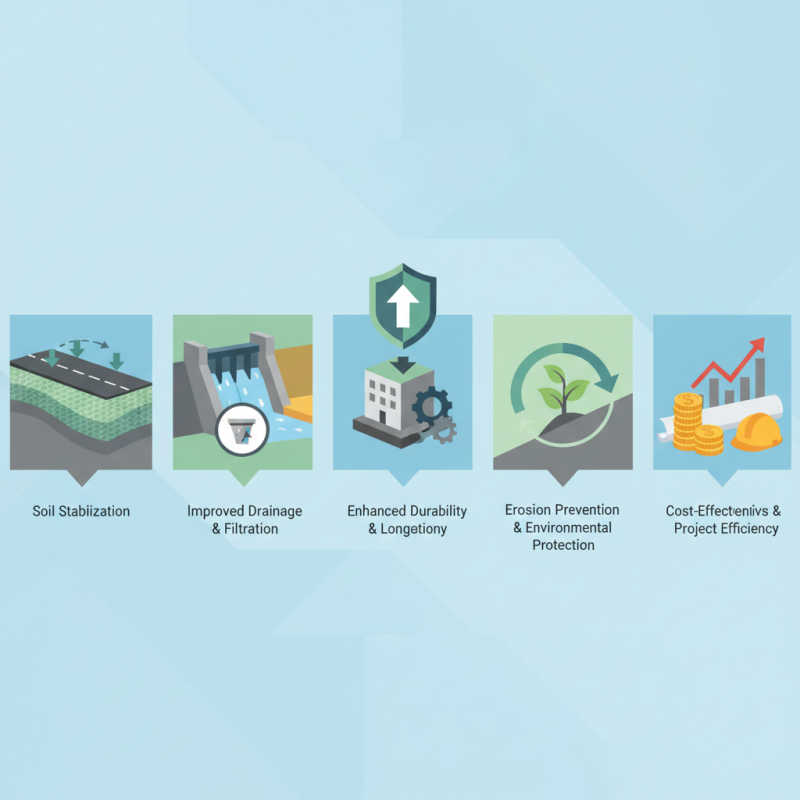
Fibre Geotextile provides excellent soil stabilization. It allows for better load distribution, which is essential in preventing land erosion. Many projects have benefited from its strength and adaptability in challenging environments. Using Fibre Geotextile can sometimes be seen as complex, especially for new users. However, the advantages often outweigh these initial uncertainties.
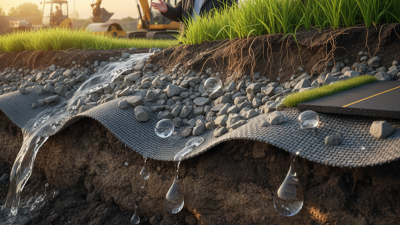
Additionally, Fibre Geotextile supports drainage systems. It filters water effectively, reducing the risk of flooding. This prevents costly damage to construction sites. Yet, not all projects utilize it to its fullest potential. Understanding its benefits more deeply could lead to improved project outcomes. Ultimately, Fibre Geotextile stands out as a crucial material in modern construction, offering various benefits that cannot be overlooked.
Introduction to Fibre Geotextiles in Construction
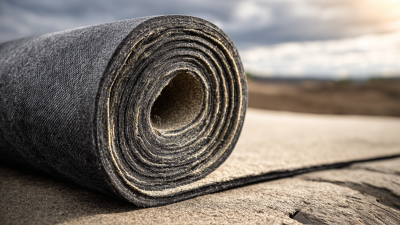
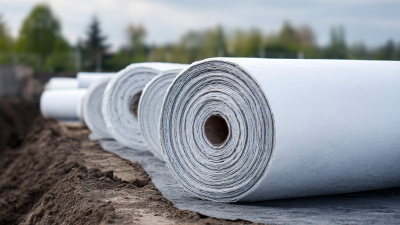
Fibre geotextiles play a vital role in modern construction. They are synthetic fabrics used to improve soil stability and drainage. These materials are designed to separate, filter, reinforce, and protect. In practical applications, they help manage water flow, reduce erosion, and enhance load-bearing capacities.
When used in road construction, fibre geotextiles can significantly improve performance. They help prevent the mixing of soil layers, leading to a more durable base. In some cases, however, improper installation can negate benefits. This highlights the importance of skilled labor and proper techniques. Careful consideration during installation can lead to remarkable outcomes.
In landscaping, these materials help maintain soil integrity. They can prevent weeds while allowing water to pass through. Yet, reliance on these products can lead to overlooked maintenance needs. Sometimes, users assume they require less attention, which is not always true. Engaging with these fabrics demands ongoing evaluation to ensure efficiency.
Enhanced Soil Stabilization with Fibre Geotextiles
In modern construction, fibre geotextiles are becoming increasingly important. They play a critical role in enhancing soil stabilization. This material is designed to improve the strength of weakened soils. By doing so, it reduces the risk of soil erosion and enhances the overall durability of structures. It allows engineers to create a stable foundation, even in challenging conditions.
Fibre geotextiles work uniquely by distributing loads and trapping soil particles. This process helps maintain the integrity of roadways and foundations. However, improper installation can lead to issues. For instance, if the geotextile is not aligned correctly, it may not function as intended. This can compromise construction quality, leading to costly repairs later.
Moreover, these materials are lightweight and easy to handle. They can be cut to size without much effort. Yet, they may lack the robustness of heavier alternatives in certain scenarios. Engineers must weigh the benefits against potential drawbacks. Effective soil stabilization enhances project success but requires careful planning and execution.
Improvement of Drainage Systems Using Fibre Geotextiles
Fibre geotextiles play a crucial role in improving drainage systems in modern construction projects. These textiles enhance water flow and prevent soil erosion. According to industry reports, using fibre geotextiles can increase drainage efficiency by up to 50%. This is particularly important in areas with high moisture content.
Incorporating fibre geotextiles can also reduce the risk of flooding. They help manage excess water, ensuring it moves away from structures efficiently. However, not all projects utilize these materials effectively. There are cases where their installation is subpar, leading to poor drainage performance. This indicates the need for better training and awareness in the construction sector.
Moreover, while fibre geotextiles are durable, their long-term performance can vary. Environmental factors and local soil types can impact their effectiveness. Construction professionals must consider these aspects to ensure optimal results. Careful planning and site assessments are essential to maximize the benefits of fibre geotextiles. Ignoring these factors may result in unexpected failures and costly repairs.
Top 5 Benefits of Using Fibre Geotextile in Modern Construction Projects
| Benefit |
Description |
Impact on Drainage |
| Enhanced Water Flow |
Fibre geotextiles allow for better percolation of water through soil layers. |
Reduces waterlogging and increases the effectiveness of drainage systems. |
| Soil Stabilization |
They prevent soil erosion by reinforcing the soil structure. |
Improves the longevity and reliability of drainage systems. |
| Cost-Effective |
Reduces the need for traditional drainage materials and maintenance. |
Provides savings on installation and upkeep costs. |
| Quick Installation |
They can be easily deployed in various construction environments. |
Speeds up the construction timeline for drainage solutions. |
| Environmental Benefits |
Being made from sustainable materials, they reduce environmental impact. |
Minimizes ecological disturbance in drainage projects. |
Cost Efficiency of Fibre Geotextiles in Modern Projects
Fibre geotextiles are gaining traction in modern construction due to their impressive cost efficiency. These materials offer substantial savings on overall project budgets. When used for soil stabilization and erosion control, they reduce the need for extensive excavation. This means less labor and equipment rental costs. Many projects find that they can accomplish more with fewer resources.
In addition, fibre geotextiles improve construction timelines. By providing immediate ground support, they allow for quicker installation of other materials. However, not all projects are suited for their use. Some contractors face challenges when integrating them into existing workflows. It requires training and adaptability, which can temporarily slow progress. Yet, the long-term benefits often outweigh the initial hurdles.
Sustainability also plays a role in cost efficiency. Using fibre geotextiles can promote green building practices, attracting eco-conscious clients. However, some still question their long-term durability and performance in harsh conditions. Effective evaluation and testing are needed to ensure they meet project requirements. Balancing cost savings with reliability remains a key consideration for construction teams.
Environmental Benefits of Employing Fibre Geotextiles
Fibre geotextiles play a crucial role in modern construction. They provide excellent environmental benefits that are often overlooked. By using fibre geotextiles, projects can significantly reduce soil erosion. According to recent studies, effective use of geotextiles can decrease soil loss by up to 50%. This is vital for maintaining the integrity of construction sites.
Moreover, fibre geotextiles enhance groundwater recharge. They allow water to pass through, promoting natural filtration. Reports indicate that this can lead to improved water quality in local ecosystems. However, many project managers still underestimate this benefit. Cost considerations often overshadow the potential environmental gains.
Sustainability is another key factor. According to industry data, geotextiles can reduce the need for heavy machinery and additional earthworks by 30%. This translates into lower carbon emissions and less disturbance to the land. However, the manufacturing process of fibre geotextiles isn't always eco-friendly. Ensuring ethical sourcing remains a challenge. Balancing these factors is essential for truly sustainable construction practices.