Top 10 Benefits of Using Geogrid Fabric in Retaining Walls
The use of Geogrid Fabric in the construction of retaining walls has gained considerable traction due to its multitude of benefits in enhancing structural stability and performance. According to the International Geosynthetics Society, the implementation of geosynthetic materials such as geogrid fabric can reduce project costs by up to 50% while increasing the lifespan of structures. Geogrid Fabric Retaining Wall systems offer effective lateral support for soil, thereby preventing erosion and ensuring long-term sustainability in a variety of environmental conditions.
Recent studies indicate that incorporating geogrid fabric into retaining wall designs significantly improves soil reinforcement and increases load-bearing capacity. For instance, research published by the Transportation Research Board highlights that structures utilizing geogrid technology experience less deformation and enhanced resistance to hydrostatic pressure. Moreover, the versatility of geogrid fabric allows it to be utilized in a wide range of applications, from residential landscaping to large-scale infrastructural projects, making it an invaluable asset in modern engineering practices.
In addition to structural benefits, the environmental impact of using geogrid fabric cannot be overlooked. The reduction in material usage and the increased efficiency of retaining walls contribute to lower carbon footprints. As the construction industry increasingly adopts sustainable practices, the advantages of Geogrid Fabric Retaining Wall systems become more pronounced, reinforcing their importance in both economic and ecological terms.
Benefits of Enhanced Stability in Retaining Walls with Geogrid Fabric
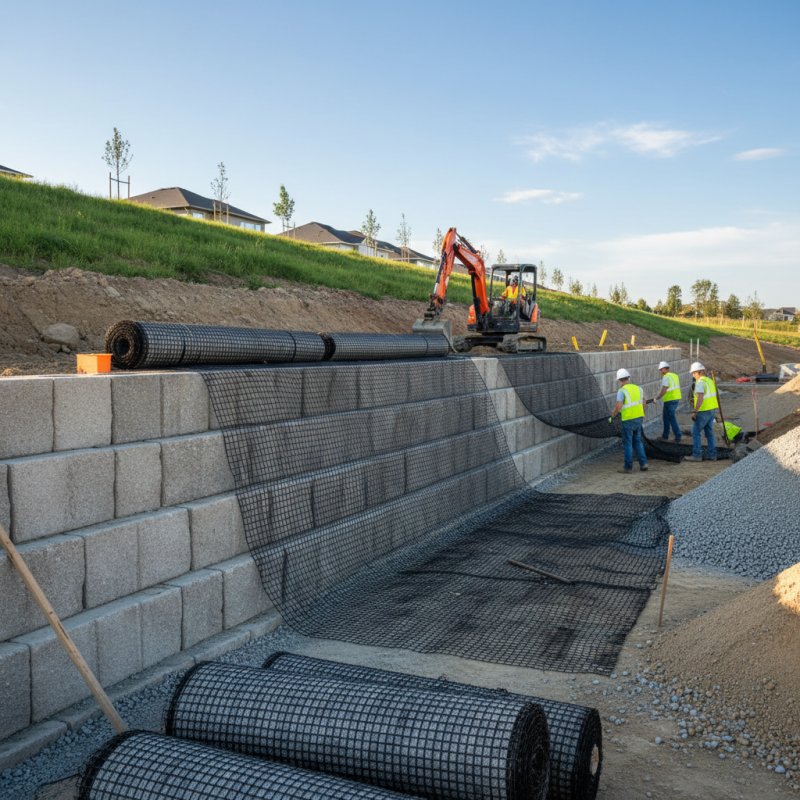
Geogrid fabric has become an essential component in the construction of retaining walls, primarily due to its significant contributions to stability. One of the standout benefits is the increased overall strength it provides to the structure. According to a study by the Federal Highway Administration, using geogrid reinforcement can lead to a 50% improvement in the load-bearing capacity of retaining walls. This is particularly crucial in areas subject to heavy soil loads or seismic activity, where maintaining wall integrity is vital.
In addition to enhancing load capacity, geogrid fabric plays a critical role in reducing lateral earth pressures. Research indicates that walls reinforced with geogrid can achieve a notable reduction in pressure by up to 30%, thus decreasing the risk of failure. The mechanism behind this involves the geogrid's ability to distribute weight evenly and anchor the soil, minimizing movement and slip. This increased stability not only prolongs the lifespan of retaining structures but also lowers maintenance costs over time, making geogrid an economically advantageous choice for engineers and construction professionals.
Top 10 Benefits of Using Geogrid Fabric in Retaining Walls
Improved Load Distribution and Structural Performance of Retaining Walls
Geogrid fabric has increasingly become a popular choice in the design and construction of retaining walls due to its ability to enhance load distribution and overall structural performance. The integration of geogrid within retaining wall systems allows for the efficient transfer of loads from the wall to the soil, significantly reducing the pressure exerted on the wall structure. This load redistribution is vital as it minimizes the risk of wall failure and deformation, especially in areas with unstable soil conditions or heavy loads.
Additionally, the use of geogrid fabric contributes to the wall's stability by promoting better soil interlocking. The grid structure provides points of contact that improve frictional resistance, mitigating sliding risks and promoting a more cohesive interaction between the wall and the surrounding earth. As a result, the performance of the retaining wall is not only enhanced in terms of structural integrity but also in terms of longevity. The durability and flexibility of geogrid help accommodate soil movement and shifts, ensuring that the retaining wall can effectively handle environmental changes and maintain its performance over time.
Top 10 Benefits of Using Geogrid Fabric in Retaining Walls
| Benefit |
Description |
Impact |
| Improved Load Distribution |
Geogrid fabric helps to evenly distribute loads across the retaining wall structure. |
Reduces stress concentrations, enhancing stability. |
| Increased Structural Performance |
Strengthens the overall integrity of retaining walls. |
Longer lifespan of the structure. |
| Cost Efficiency |
Reduces need for extensive reinforcements or expensive construction methods. |
Lower overall project costs. |
| Erosion Control |
Helps prevent soil erosion behind and below the wall. |
Preserves landscape integrity. |
| Simplified Installation |
Geogrids are lightweight and easy to handle during construction. |
Faster project timelines. |
| Versatility |
Can be used in various soil types and conditions. |
Applicable for multiple projects. |
| Improved Drainage |
Facilitates better water flow and drainage. |
Reduces hydrostatic pressure on walls. |
| Environmental Benefits |
Uses less material compared to traditional methods. |
More sustainable construction practices. |
| Enhanced Aesthetic Appeal |
Allows for creative design solutions in landscaping. |
Increases property value. |
| Longevity |
Durable materials that resist degradation. |
Maintenance costs minimized over time. |
Cost-Effectiveness of Geogrid Fabric in Construction Projects
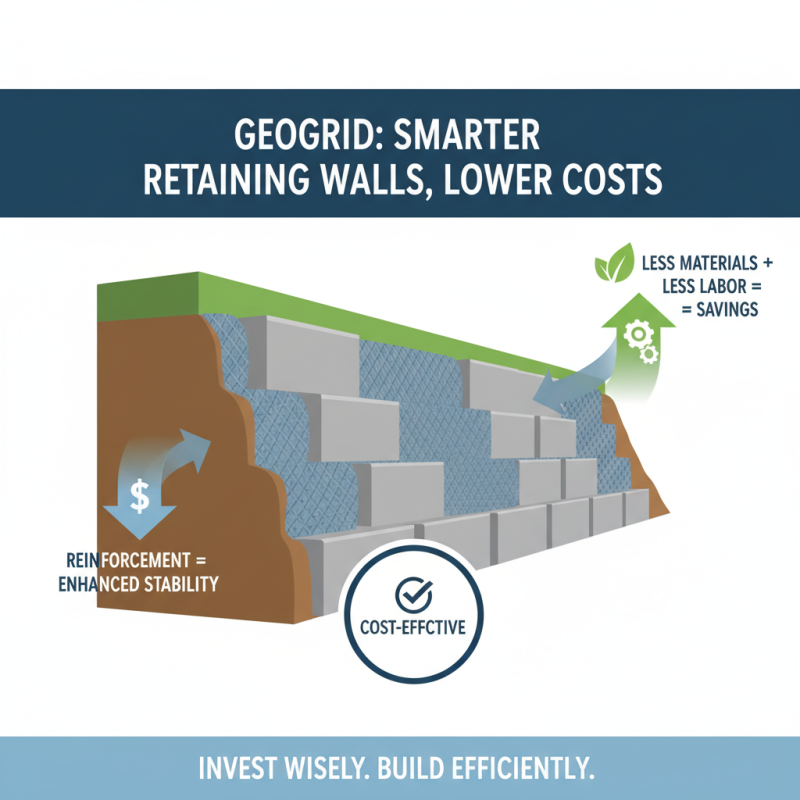
Geogrid fabric has revolutionized the way retaining walls are constructed, offering a myriad of benefits that hinge significantly on its cost-effectiveness. By providing reinforcement, geogrid not only enhances the structural integrity of retaining walls but also reduces the amount of material needed, thus lowering overall project costs. This efficient use of resources translates to savings in both labor and materials, making geogrid a smart investment for developers and contractors alike.
When considering geogrid for your construction projects, it's essential to recognize its long-term financial advantages. Using geogrid fabric can lead to fewer maintenance and repair costs over time due to its durability and strength. Additionally, its lightweight nature can lead to lower transportation expenses and easier installation processes, further enhancing cost savings.
**Tip:** Always conduct a cost analysis comparing traditional retaining wall materials to geogrid fabric to fully understand the potential savings.
**Tip:** Consult with engineers experienced in geogrid applications to assess the best design for your specific project needs, ensuring maximum benefits are realized.
By integrating geogrid fabric into retaining wall designs, you not only ensure structural stability but also achieve a reduction in spending, ultimately benefiting your project's bottom line.
Resistance to Soil Erosion and Improved Drainage with Geogrid Use
Geogrid fabric has become an integral component in the construction of retaining walls, particularly due to its exceptional ability to enhance drainage and resist soil erosion. One of the primary benefits of using geogrid is its capacity to reinforce soil by distributing loads, which significantly reduces the risk of soil erosion in vulnerable areas. When combined with a proper drainage system, geogrid structures help to mitigate the water pressure exerted on the walls, preventing the accumulation of excess moisture that often leads to soil instability. This not only protects the integrity of the retaining wall but also preserves the surrounding landscape by preventing the washout of topsoil.
Another advantage of geogrid fabric is its role in promoting efficient drainage. The open structure of geogrids allows for the easy passage of water, effectively reducing hydrostatic pressure that can compromise the stability of retaining walls. By facilitating drainage, geogrids can help to maintain optimal moisture levels in the soil, which is crucial for plant health and reducing the risk of erosion. Without proper drainage solutions, saturated soils can lead to increased shear stress on retaining walls, ultimately resulting in structural failure. Consequently, the integration of geogrids in retaining wall design not only bolsters resistance to erosion but also enhances overall durability and longevity.
Simplified Installation and Maintenance Processes for Retaining Walls
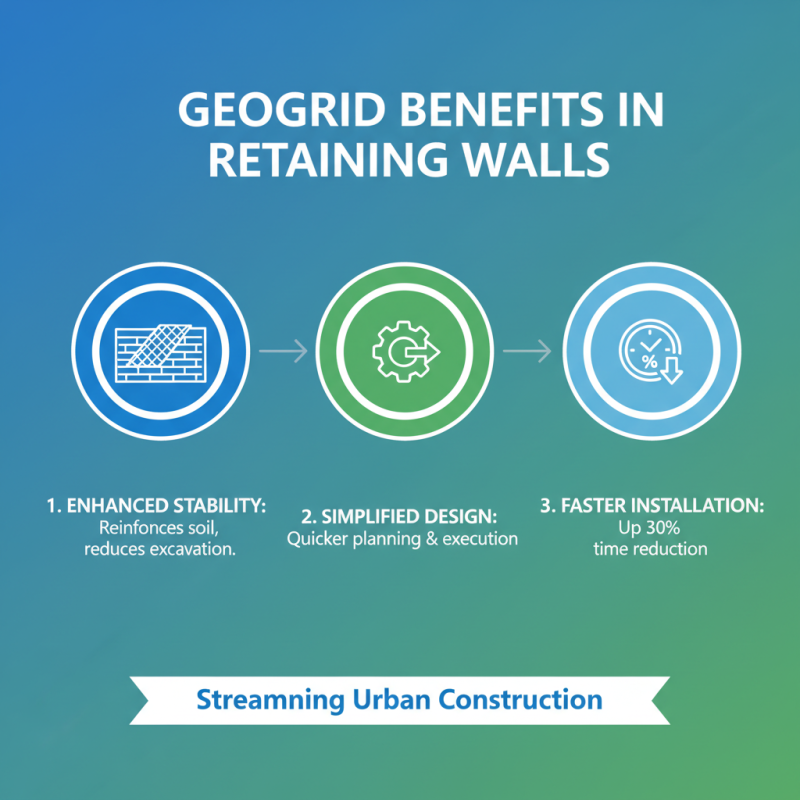
The use of geogrid fabric in retaining wall construction has revolutionized the installation and maintenance processes, offering significant advantages that streamline these operations. According to industry reports, utilizing geogrids can enhance soil structure and stability, effectively reducing the need for extensive excavation. By integrating geogrids, engineers can simplify the design phase, allowing for quicker project execution — often cutting installation time by up to 30%. This is particularly important in urban settings where space and time constraints are prevalent.
A critical factor in the maintenance of retaining walls is soil reinforcement, which geogrids provide efficiently. These materials improve load distribution and minimize settlement over time, which can lead to reduced maintenance costs. As reported by the Geosynthetic Materials Association, structures utilizing geogrid fabrics can experience a significant decrease in repair frequency, sometimes as much as 50%. This reduction not only saves resources but also prolongs the lifespan of the retaining walls, fostering long-term sustainability.
**Tips for Successful Implementation:**
1. Ensure proper alignment and tensioning of the geogrid during installation to maximize soil interaction and reinforcement.
2. Regularly inspect the retaining walls for signs of settling or movement, as early detection of issues can facilitate easier maintenance and repairs.
3. Consider local environmental factors, such as drainage and soil type, when planning your retaining wall project, as these can influence the effectiveness of geogrid solutions.