Inquiry
Form loading...

Top 10 Benefits of Using Geomembrane in HDPE Applications?

Geomembranas play a vital role in HDPE applications, offering numerous benefits. Dr. Emily Larson, a leading expert in the geomembrane industry, emphasizes this: "The integration of geomembranas in HDPE is game-changing for environmental protection." This highlights the importance of these materials in engineering and construction.

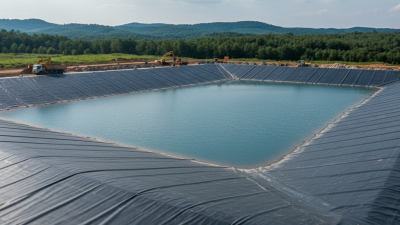
These geomembranas provide effective barriers against fluid migration. They are ideal for landfills, water reservoirs, and mining operations. Engineers appreciate their durability and resistance to chemicals. However, the correct installation and maintenance are crucial. Improper application can lead to failures, impacting projects and the environment.

Understanding the advantages of geomembranas in HDPE helps industries make informed decisions. They can enhance efficiency and sustainability. But reliance on technology without skilled oversight can lead to challenges. It’s essential to balance innovation with practical expertise in geomembrana in HDPE applications.
Top 10 Benefits of Using Geomembrane in HDPE Applications?

Understanding Geomembranes: Definition and Composition

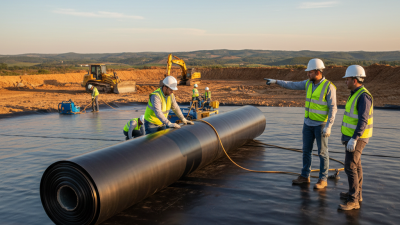
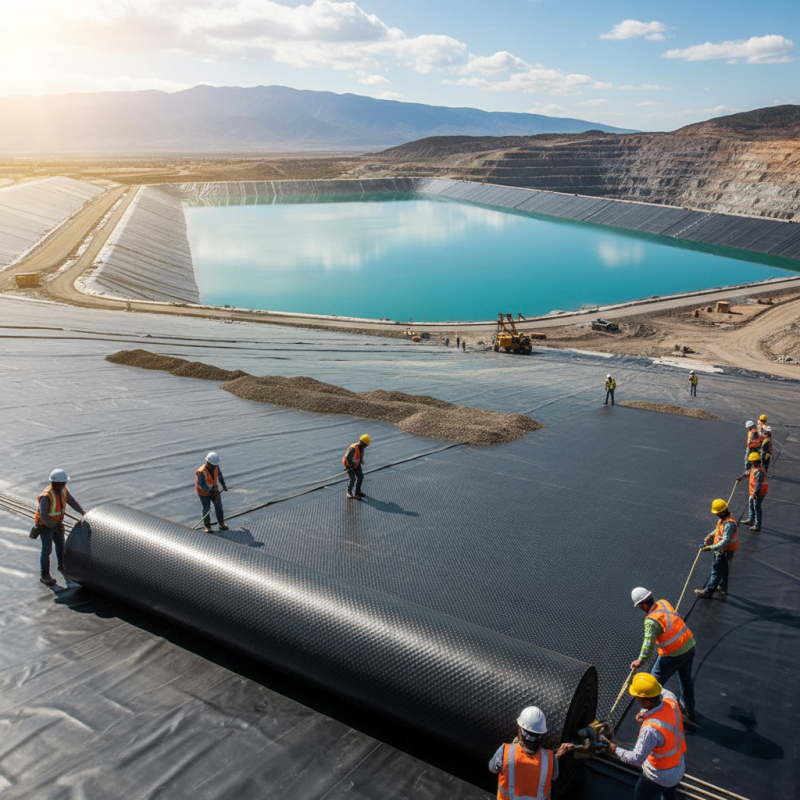
Geomembranes serve crucial roles in various HDPE applications. These synthetic membranes are composed primarily of high-density polyethylene (HDPE) and are designed for containment and environmental protection. Typically, their thickness ranges from 0.5 mm to 2.5 mm. According to industry reports, geomembranes are vital for landfill liners, aquatic farming, and mining project containment. Their structure offers excellent chemical resistance and durability.

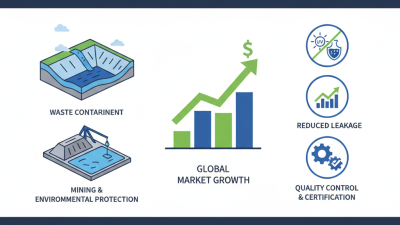
High-density polyethylene geomembranes boast impressive tensile strength and flexibility. They can withstand harsh weather and extreme conditions. Research indicates that the longevity of these materials can exceed 50 years in appropriate conditions. This durability contributes to reduced maintenance costs and environmental risks. The Global Geomembrane Market is projected to exceed $2 billion by 2026, highlighting the rising demand and recognition of their benefits.

Despite their advantages, challenges remain. The installation process requires skilled labor to avoid defects. Poorly installed geomembranes can lead to leaks, which can undermine their effectiveness. Continuous monitoring is essential for optimal performance. The industry must focus on improving installation techniques and quality assurance to ensure geomembranes fulfill their promise in environmental protection.

Top 10 Benefits of Using Geomembrane in HDPE Applications

Benefit Description Application Areas Material Lifespan
Durability Geomembranes are resistant to chemical and environmental damage, providing long-term protection. Landfills, mining, and water containment. Up to 50 years
Cost-Effectiveness Reduces the need for extensive maintenance and replacement. Irrigation, agriculture, and wastewater treatment. 20-30 years
Environmental Protection Helps prevent leachate and contamination of surrounding areas. Mining and landfill management. 25-35 years
Flexibility Easily conforms to various land surfaces and contours. Construction sites and containment areas. 15-25 years
Ease of Installation Quick and simple installation process reduces labor costs. Geotechnical applications and reservoirs. 20-30 years
Waterproofing Provides an effective barrier against water intrusion. Ponds and reservoir linings. 25-35 years
Chemical Resistance Resistant to a wide range of chemicals, enhancing safety. Industrial waste management and containment. 20-40 years
UV Resistance Withstands ultraviolet exposure, maintaining integrity over time. Solar farms and open-air storage solutions. 20-30 years
Sustainability An eco-friendly solution contributing to reduced landfill waste. Waste management and ecological restoration. 25-35 years
Versatility Applicable in various industries, from construction to agriculture. Multiple building and environmental applications. 15-30 years

Applications of HDPE in Environmental Protection

The use of High-Density Polyethylene (HDPE) in environmental protection applications is gaining traction. Its robust properties make it an ideal choice for diverse barriers and containment solutions. According to a report by the Environmental Protection Agency, HDPE can reduce leachate migration by over 90%. This is crucial in landfills, where hazardous waste needs to be contained effectively.

Data indicates that HDPE geomembranes are critical in mining operations as well. Nearly 50% of mining companies report using geomembranes to prevent soil and water contamination. The resilient nature of HDPE allows it to withstand extreme temperatures and chemical exposure, ensuring longevity.

While HDPE applications are promising, challenges remain. Installations can be costly and complicated, requiring skilled labor. In addition, improper installation can lead to leaks or failures, which is a significant concern in environmental safeguarding. Recognizing and addressing these shortcomings is vital for enhancing the performance of HDPE in crucial applications.

Cost Efficiency and Economic Advantages of Geomembranes

Top 10 Benefits of Using Geomembrane in HDPE Applications?

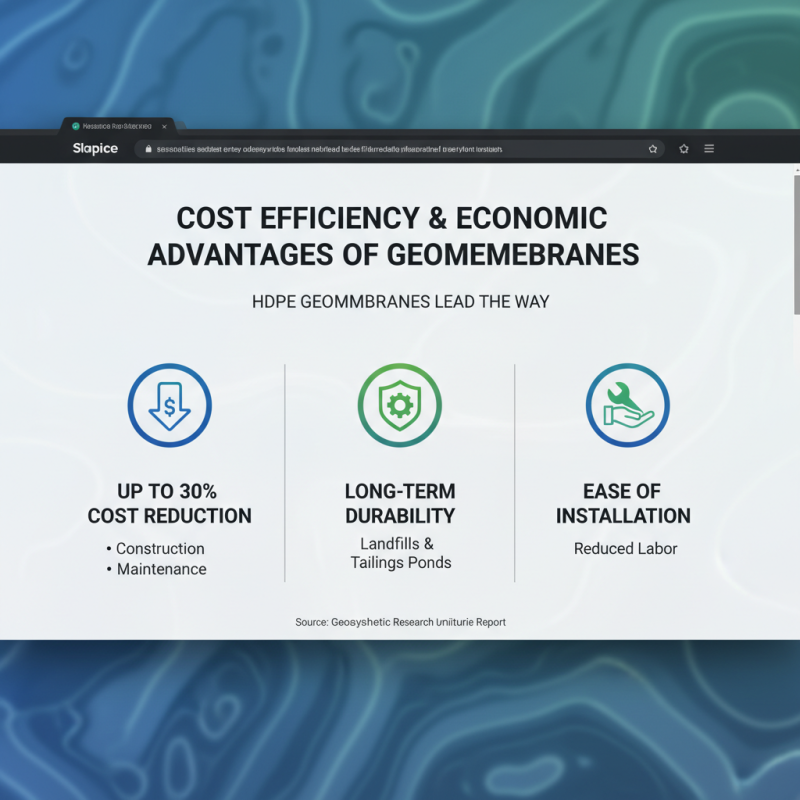
Geomembranes, particularly those made of High-Density Polyethylene (HDPE), are gaining traction for their cost efficiency and economic benefits. According to a report by the Geosynthetic Research Institute, the use of HDPE geomembranes can reduce construction and maintenance costs by up to 30%. This is particularly relevant in containment projects, such as landfills and tailings ponds, where long-term durability is crucial. Their flexibility allows for ease of installation, often being placed rapidly with minimal labor costs.

Notably, geomembranes contribute to sustainability. The U.S. Environmental Protection Agency estimates that using HDPE in environmental applications leads to significant savings in water preservation and pollution control. A study highlighted that effective containment systems can prevent losses of over 80% of pollutants entering local groundwater supplies. While the upfront investment in geomembranes may appear substantial, the long-term savings associated with maintenance and environmental protection justify the costs.

Despite these advantages, it’s essential to approach geomembrane applications with caution. Variability in material quality can lead to failures if not monitored properly. Rigorous testing data reveals that some lower-quality installations can lead to leaks as early as five years into their lifespan. Therefore, thorough evaluation of material specification and adherence to installation guidelines are critical for maximizing the benefits of geomembranes in various applications.

Durability and Longevity in Harsh Conditions

Top 10 Benefits of Using Geomembrane in HDPE Applications?

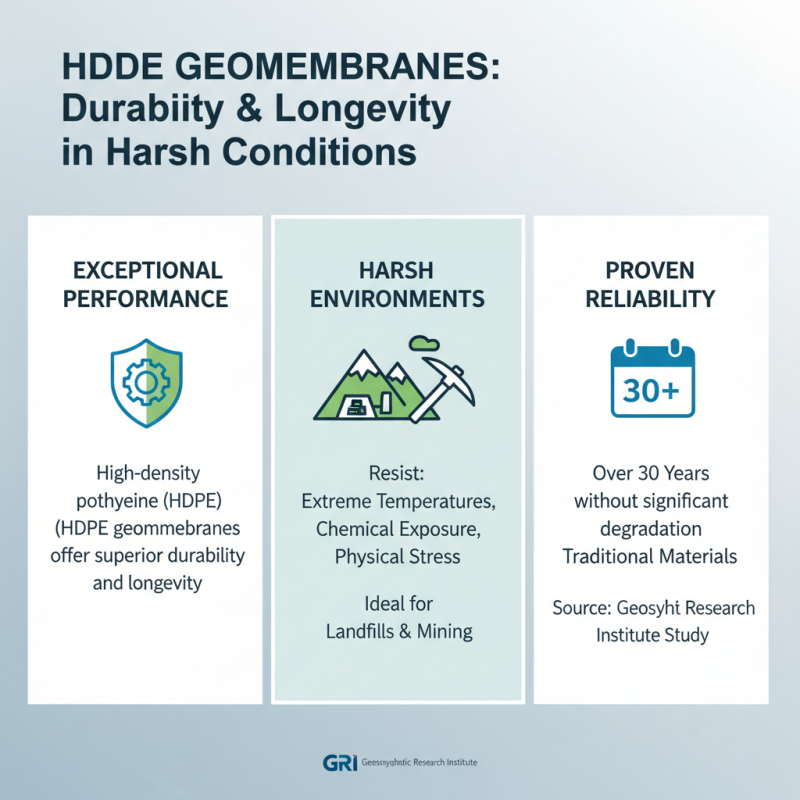
Geomembranes made from high-density polyethylene (HDPE) have gained significant attention in various applications due to their exceptional durability and longevity. Within harsh environments, such as landfills and mining operations, HDPE geomembranes can withstand extreme temperatures, chemical exposure, and physical stress. According to a study by the Geosynthetic Research Institute, HDPE geomembranes can last over 30 years without significant degradation, outperforming traditional materials.

The resilient nature of HDPE geomembranes is rooted in their molecular structure. This structure provides resistance against ultraviolet radiation and hydrocarbon damage. A technical report from the Engineering and Research Institute notes that the tensile strength of HDPE can exceed 3000 psi, making it ideal for challenging site conditions. However, issues still arise, such as the risk of punctures during installation. This vulnerability highlights the need for best practices in deployment and routine inspections to maintain integrity.

In the realm of environmental protection, HDPE geomembranes contribute significantly to containing waste and preventing soil and water contamination. Though they excel in many scenarios, the performance can vary based on installation quality. Ensuring proper overlaps and seals during installation is critical. A flawed installation can lead to leaks, which compromise the very benefits these materials offer. Continual research and advancement in installation techniques are essential for maximizing the potential of geomembranes in safeguarding our environment.

Environmental Impact and Sustainability of HDPE Geomembranes

The environmental impact of HDPE geomembranes is significant. These materials are known for their durability and resistance to chemical exposure. According to a study published by the American Society of Civil Engineers, HDPE geomembranes can last over 30 years under proper conditions. This long lifespan reduces the frequency of replacements, thereby minimizing waste.

Sustainability is another key benefit. HDPE geomembranes are often recycled, which makes them an eco-friendlier option in waste management. When disposed of correctly, they do not leach harmful chemicals into the soil or water. A report from the Environmental Protection Agency indicates that recycling can reduce landfill waste by 20-30%. This highlights a positive shift towards greener practices in the industry.

**Tip:** Always consider local recycling options for geomembranes. They can drastically reduce your environmental footprint.

Despite these advantages, it’s essential to reflect on potential downsides. Improper installation can lead to failures, risking environmental contamination. Regular inspections are crucial for maintaining the integrity of geomembranes, ensuring they perform as intended. Adequate training for installation is vital in mitigating risks associated with this material.

**Tip:** Invest in training programs for your team to enhance installation quality. This proactive step can significantly increase reliability and effectiveness.

Top 10 Benefits of Using Geomembrane in HDPE Applications

This chart illustrates the key benefits of using geomembrane in HDPE applications, showcasing their importance in environmental impact and sustainability.