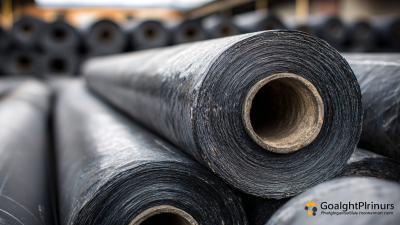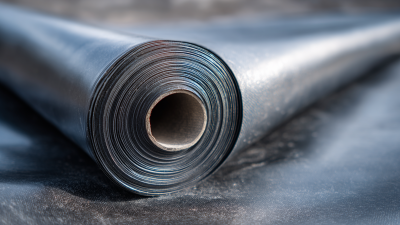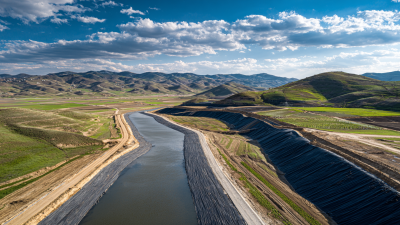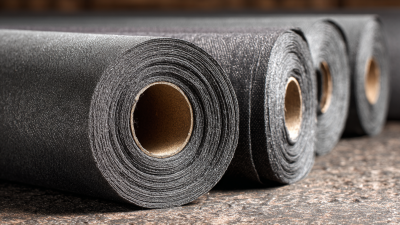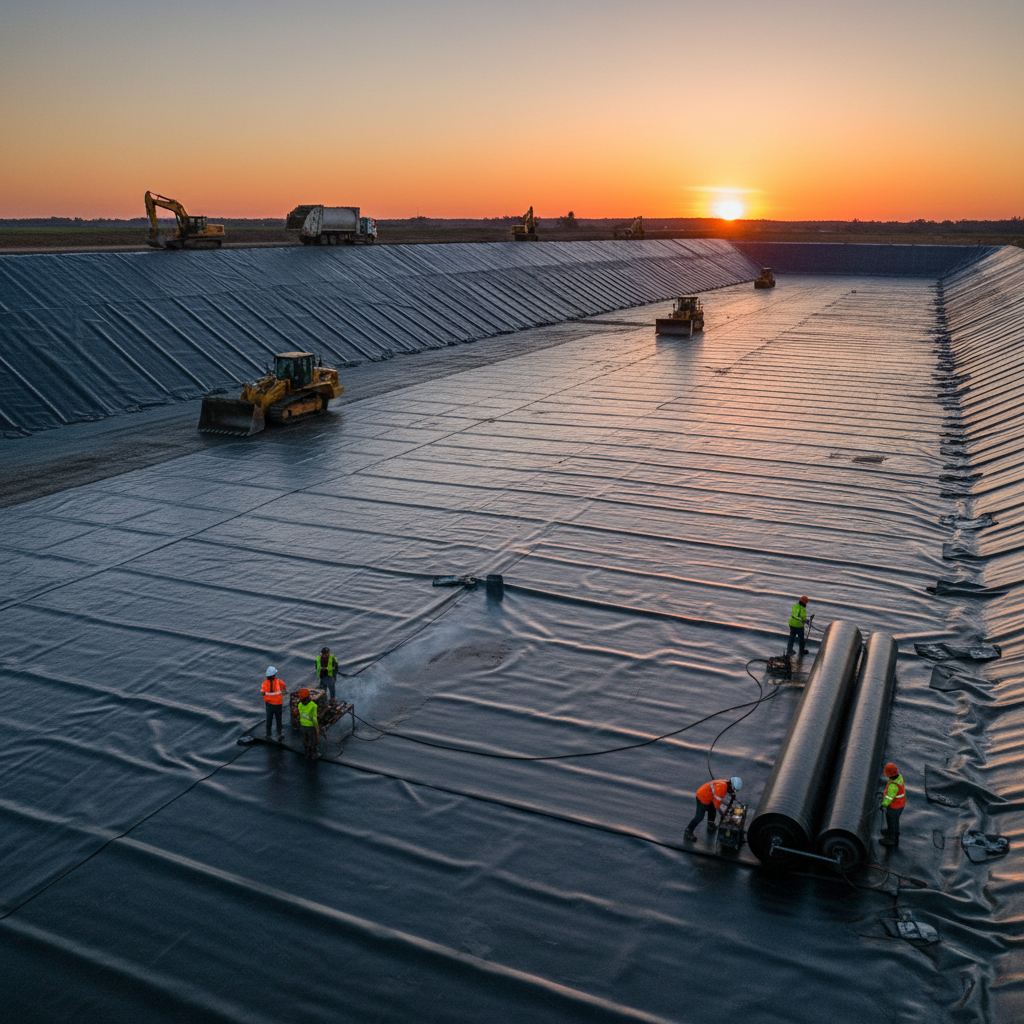
HDPE geomembrana, or high-density polyethylene geomembranes, have emerged as a pivotal solution for environmental protection, owing to their remarkable durability and impermeability. According to a report by the Environmental Protection Agency, liner systems, including HDPE geomembranes, are crucial in preventing contaminant migration in landfills and are increasingly being adopted across various industries. This versatile material is designed to contain liquids and gases, making it ideal for applications in industrial waste, mining, and agriculture.
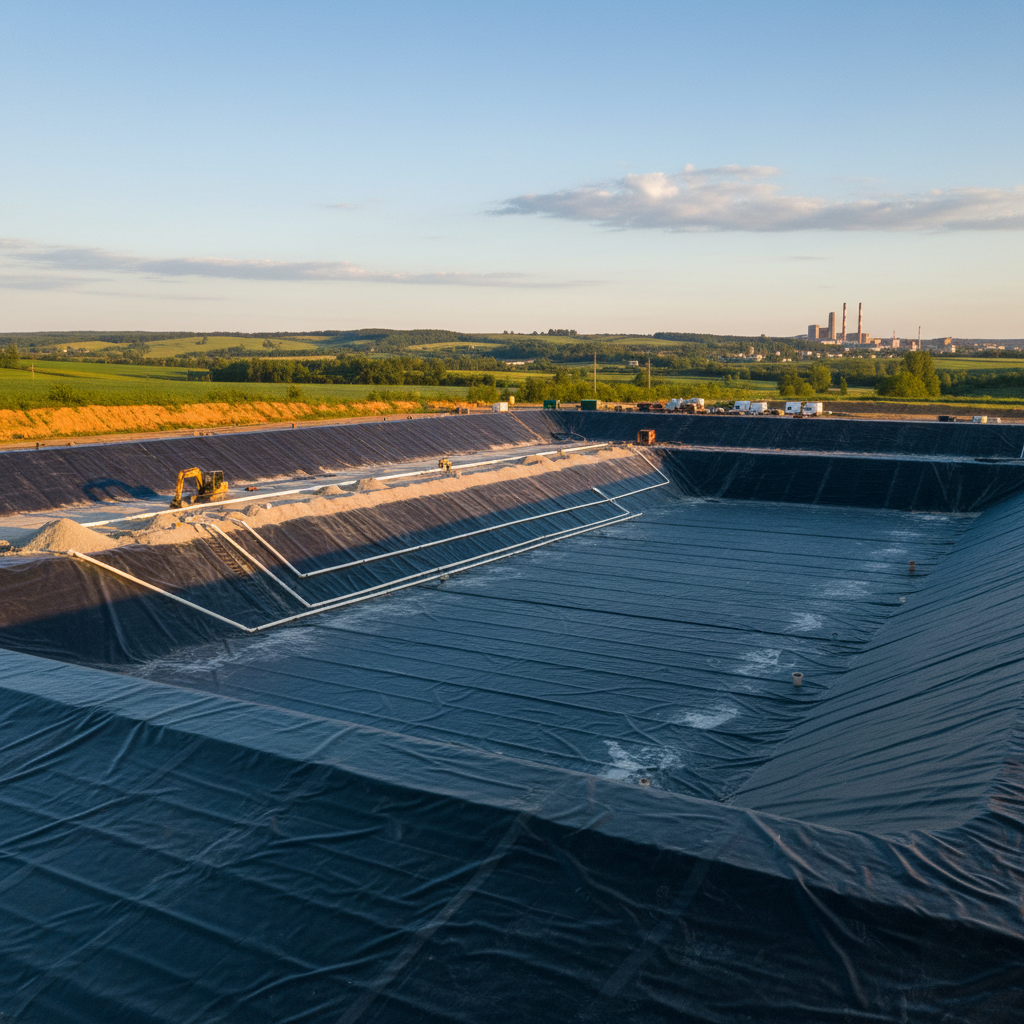
Furthermore, data from the Geomembrane Institute indicates that the use of HDPE geomembrana has led to a significant reduction in environmental leakage issues, contributing to healthier ecosystems. The longevity and resistance of HDPE geomembranes to UV radiation and extreme temperatures underline their effectiveness in diverse environmental conditions. As the demand for sustainable waste management solutions continues to grow, utilizing HDPE geomembrana not only aids in compliance with stringent environmental regulations but also promotes an ecologically sound approach to environmental stewardship.
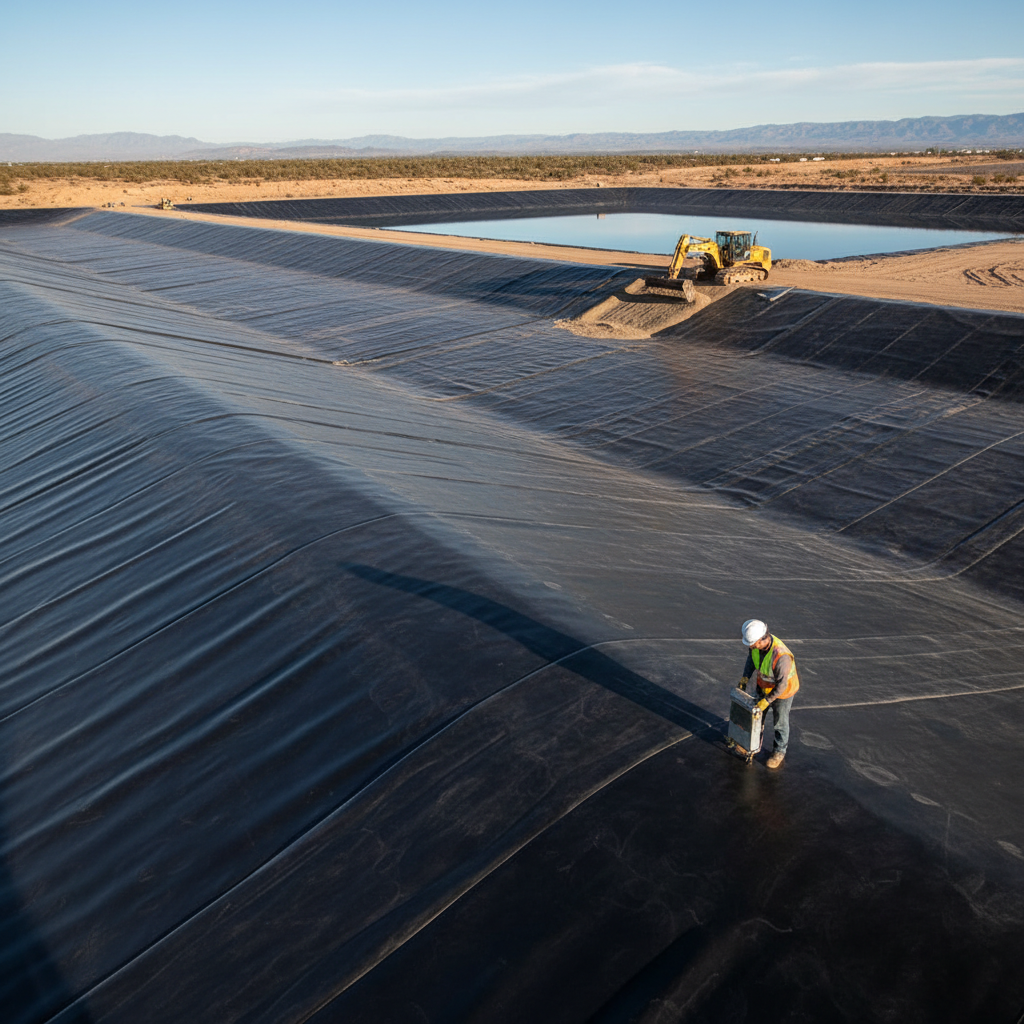
HDPE geomembranes have become a crucial component in various containment systems due to their exceptional durability and impermeability. These high-density polyethylene membranes effectively prevent the migration of contaminants, making them ideal for applications such as landfill liners, ponds, and waste containment facilities. Their robust chemical resistance ensures that they can withstand harsh environmental conditions and toxic substances, thereby protecting groundwater and soil from potential pollution.
In addition to their protective qualities, HDPE geomembranes are also lightweight and easy to install, which reduces construction time and costs. Their flexibility allows for seamless integration into various containment designs, making them suitable for both large-scale projects and smaller applications. Moreover, the longevity of HDPE geomembranes minimizes the need for frequent replacements, offering long-term economic benefits while ensuring compliance with environmental regulations. Overall, the use of HDPE geomembranes in containment systems not only enhances environmental protection but also contributes to sustainable practices in waste management.
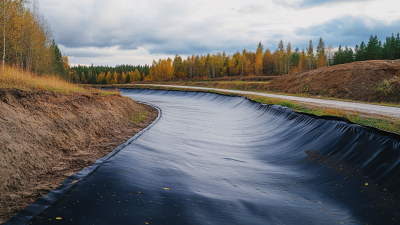
HDPE geomembranes have revolutionized environmental protection applications due to their remarkable durability and longevity. Constructed from high-density polyethylene, these geomembranes exhibit superior resistance to environmental stressors, including UV radiation, chemical exposure, and temperature fluctuations. According to a report by the Geosynthetic Institute, HDPE geomembranes can last over 30 years in harsh conditions, making them a reliable choice for waste containment, mining applications, and wastewater treatment.
One of the critical advantages of HDPE geomembranes is their ability to maintain structural integrity under immense stress. Their high tensile strength and flexibility not only contribute to their long lifespan but also ensure effective barrier performance. A recent study indicated that projects utilizing HDPE geomembranes saw a 40% reduction in maintenance costs compared to alternatives, highlighting their cost-effectiveness over time.
Tips: When selecting HDPE geomembranes, consider the specific environmental conditions they will face. Ensure proper installation techniques are employed to further enhance their longevity. Regular inspections and maintenance will also maximize their effectiveness and durability, ensuring continuous protection for the surrounding environment.
HDPE (High-Density Polyethylene) geomembranes are increasingly recognized for their significant economic advantages in waste management. According to a report from Freedonia Group, the demand for geomembrane products, particularly HDPE, is projected to reach $2 billion by 2025, driven by the need for efficient waste containment solutions. These geomembranes are not only durable and resistant to punctures and tears but also provide effective barriers against leachate and contamination, thereby reducing the long-term operational costs associated with landfill management.
Moreover, the use of HDPE geomembranes leads to substantial savings through lower maintenance requirements and extended lifespan. A study published by the Geosynthetic Research Institute indicated that well-installed HDPE liners can last over 30 years. When compared to other materials, HDPE offers a lower initial investment and fewer replacement costs over time. The reduced risk of environmental contamination further lessens potential liabilities and regulatory penalties, making HDPE geomembrane solutions a financially sound choice for waste management facilities aiming to optimize both their operational efficiency and environmental compliance.
High-density polyethylene (HDPE) geomembranes are increasingly recognized for their essential role in environmental protection, particularly due to their impressive chemical resistance. As industries face heightened regulatory scrutiny regarding pollution control, HDPE geomembranes offer a robust barrier against hazardous materials. The global geomembranes market, currently valued at approximately USD 2.61 billion, is projected to expand to USD 3.60 billion by 2030, indicating a strong demand for reliable containment solutions that mitigate environmental risks.
Recent innovations in HDPE geomembrane technologies enhance their effectiveness, including the introduction of new resin formulations that bolster performance in adverse conditions. These advancements make HDPE geomembranes a vital component in various applications, from mining operations to geothermal projects, where they can safely isolate contaminants and protect soil and water resources. The focus on utilizing non-PFAS polymer processing aids, spurred by regulatory pressures, further underscores the industry's commitment to sustainable practices, reinforcing the importance of HDPE geomembranes in protecting the environment.
High-Density Polyethylene (HDPE) geomembranes play a pivotal role in modern infrastructure projects while emphasizing sustainability and recyclability. As a versatile material, HDPE exhibits exceptional durability and resistance to a wide array of environmental factors, making it an ideal choice for applications such as landfill liners and containment barriers. Its ability to prevent contamination and protect ecosystems underscores its importance in environmental protection initiatives.
When considering sustainable practices in infrastructure projects, it's essential to recognize the recyclability of HDPE geomembranes. Unlike many traditional construction materials, HDPE can be recycled post-consumer or post-industrial use, reducing waste and promoting a circular economy. This characteristic not only minimizes the environmental footprint associated with construction but also supports innovative approaches to waste management.
**Tips:** When selecting HDPE geomembranes for your project, look for manufacturers that offer recycled content options. Furthermore, ensure proper installation to extend the lifespan of the material and enhance its effectiveness in environmental protection. Regular maintenance checks can also help in identifying any potential issues early on, preserving the integrity of the geomembrane.
| Benefit | Description | Impact on Sustainability | Recyclability |
|---|---|---|---|
| Waterproofing | HDPE geomembranes provide a solid barrier against water infiltration, preventing contamination. | Reduces risk of groundwater pollution. | Highly recyclable, can be reused in new geomembrane products. |
| Chemical Resistance | Resistant to various chemicals, ensuring durability in harsh environments. | Prevents chemical contamination of soil and water sources. | Can be repurposed after use in specialized recycling processes. |
| UV Resistance | Manufactured to withstand UV exposure, prolonging lifespan. | Lowers the need for frequent replacements, less waste generation. | Can be recycled after life cycle, minimizing environmental impact. |
| Flexibility | Easily conforms to various surfaces and shapes, facilitating installation. | Improves efficiency in construction, reducing material waste. | Flexible nature allows for recycling into different products. |
| Cost-Effectiveness | Reduces long-term maintenance costs due to durability and effectiveness. | Lower costs promote sustainable practices in projects. | Can be recycled into new products, enhancing cost benefits. |