China Best Soil Reinforcement Geogrid for Your Project?
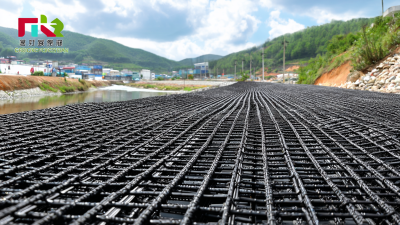
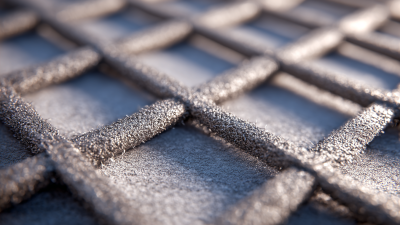
When embarking on a construction project, choosing the right materials is crucial. One such material is the Soil Reinforcement Geogrid. This innovative product enhances the stability and strength of the soil, making it ideal for various applications. With its unique grid structure, it effectively distributes loads, preventing soil movement and erosion.
China has emerged as a key supplier of high-quality Soil Reinforcement Geogrids. These products are designed to meet diverse engineering needs while ensuring reliability. The use of advanced manufacturing techniques guarantees durability and performance in challenging conditions.
However, selecting the best Soil Reinforcement Geogrid for your specific project requires careful consideration. Factors such as soil type, climate, and intended load must be evaluated. Not every product is suitable for every situation. It's essential to do thorough research and seek expert advice before making a decision. A well-informed choice can significantly impact your project's success and longevity.
Understanding Soil Reinforcement Geogrids and Their Applications
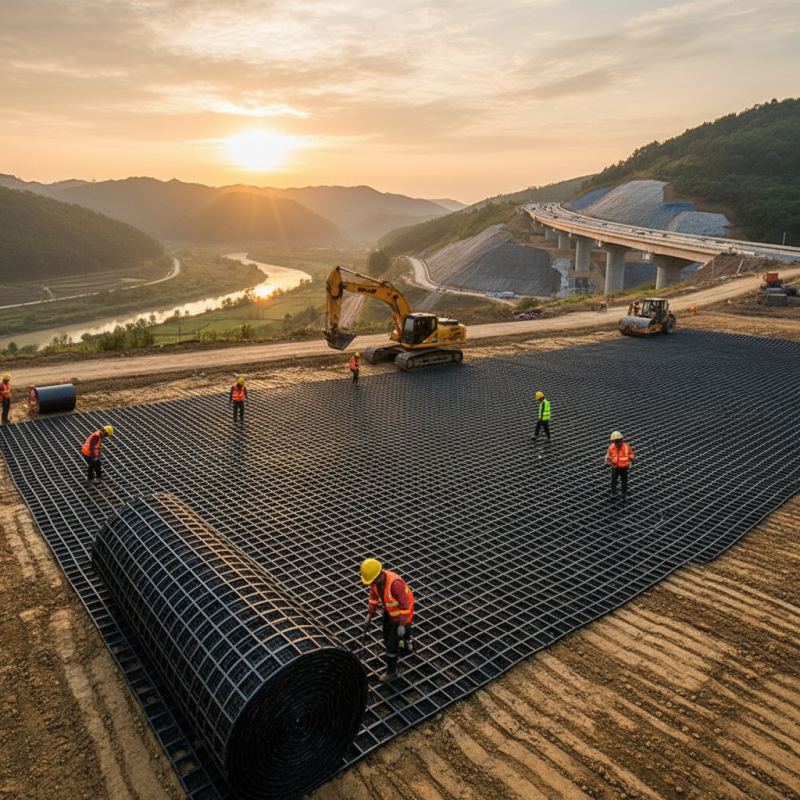
Soil reinforcement geogrids play a crucial role in modern engineering projects. These materials enhance the stability of soil and can double its strength when installed correctly. According to a report from the Federal Highway Administration, properly designed geogrids can lead to a 50% increase in the load-bearing capacity of various soil types. This is especially valuable for infrastructure projects like highways and embankments.
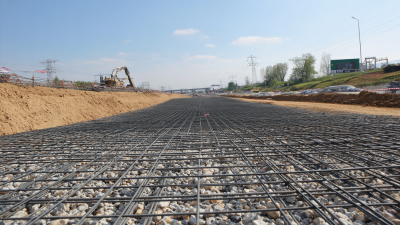
Applications of soil reinforcement geogrids are vast. They are commonly used in retaining walls, roadways, and earth slopes. A study published in the Journal of Geotechnical Engineering highlighted that using geogrids in road construction can reduce the thickness of the base layer by 30%. This not only saves materials but also reduces construction costs. However, it is vital to consider site-specific factors, such as soil type and load conditions. Miscalculations can lead to project failures and increased costs.
The effectiveness of geogrids greatly depends on installation techniques. Poor installation can negate their benefits. Engineers must analyze soil behavior and environmental conditions. Although geogrids provide significant improvements, their limitations should not be overlooked. Understanding these aspects can lead to more reliable and effective engineering solutions.
Soil Reinforcement Geogrids and Their Applications
Benefits of Using Geogrids in Soil Reinforcement Projects
Geogrids provide significant benefits in soil reinforcement projects. These polymeric materials improve the load distribution in soils. This helps to prevent excessive settlement and increases the overall stability of structures such as roads and buildings. The design of geogrids allows for better lateral support of soil, which reduces the risk of failure. When used correctly, geogrids can extend the lifespan of infrastructure while minimizing maintenance costs.
Consider implementing geogrids in areas with weak or unstable soils. They can effectively enhance the performance of embankments and retaining walls. Choose the right type of geogrid based on soil properties and project requirements. Be aware that improper installation can lead to unexpected issues. Always conduct a thorough site assessment before selection.
Tips for successful implementation include ensuring proper tension and alignment during installation. Regular inspections are vital to identify any potential issues early. Collaborate with experienced professionals to guide your project and optimize geogrid use. Their expertise can prevent costly mistakes and ensure the success of your soil reinforcement efforts.
Factors to Consider When Selecting Geogrids for Your Project
When selecting geogrids for your project, several key factors should be considered. The type of soil at the site plays a crucial role. Cohesive soils behave differently than granular ones. This difference affects the stability and strength of the geogrid during construction.
Load requirements are another significant factor. Understanding the weight and type of loads that the geogrid will support can help in choosing the right product. Geogrids must be resilient and suitable for the anticipated traffic or structural loads. Additionally, consider the environmental conditions, such as moisture levels and temperature fluctuations, which can influence the geogrid's performance.
It is essential to evaluate the installation process as well. Some geogrids require specialized equipment or techniques, while others are more user-friendly. Think about the experience of your construction team. The ease of installation impacts both time and budget. Reflecting on these details can lead to a better choice, avoiding potential pitfalls in your project.
China Best Soil Reinforcement Geogrid for Your Project?
| Dimension |
Material Type |
Tensile Strength (kN/m) |
Elongation (%) |
Roll Length (m) |
Applications |
| 30x30 cm |
Polypropylene |
20 |
10 |
50 |
Road Construction |
| 40x40 cm |
Polyester |
30 |
12 |
60 |
Landfill Stabilization |
| 50x50 cm |
High Density Polyethylene |
25 |
8 |
70 |
Slope Protection |
| 60x60 cm |
Fiberglass |
40 |
15 |
80 |
Earthworks |
Comparison of China’s Best Soil Reinforcement Geogrids
When it comes to soil reinforcement, geogrids play a crucial role in enhancing stability. In China, various types of soil reinforcement geogrids are available, each designed for specific applications. These geogrids can vary in material, strength, and construction methods. Selecting the right type depends on project requirements, soil conditions, and load-bearing needs.
One type uses high-density polyethylene, offering excellent tensile strength. This makes it ideal for heavy traffic areas. Another variant is made from polyester, which provides good resistance to environmental factors. However, while polyester geogrids may perform well initially, they may degrade faster under certain conditions. It’s important to assess the longevity and durability before making your choice.
Additionally, not all geogrids are created equal. Some may have a heavier weight, which can complicate handling and installation. Others might be easier to install but lack the performance needed for your specific project. Understanding these differences is essential for ensuring successful implementation. Evaluating these factors thoroughly will enhance the effectiveness of your soil reinforcement project.
Case Studies: Successful Projects Using Geogrids in China
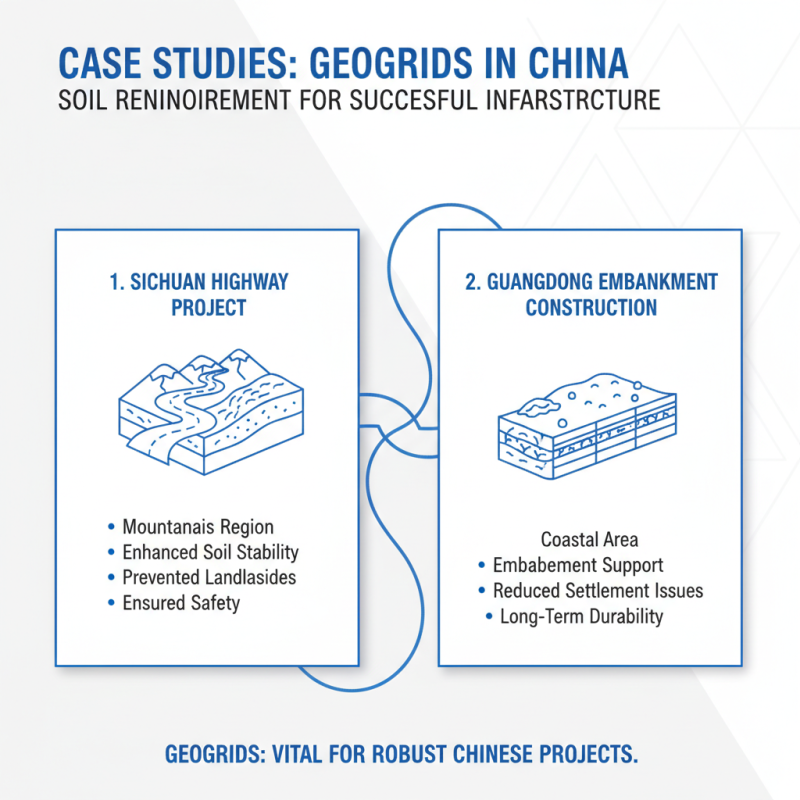
Geogrids are vital for successful soil reinforcement in construction projects. In China, many projects have seen impressive results using geogrids. For instance, a highway project in the mountainous region of Sichuan effectively used geogrid technology to enhance soil stability. The geogrids provided support, preventing landslides and ensuring safety. Another case in Guangdong demonstrated geogrids used for embankment construction. The result was a reduction in settlement issues.
Tips: Ensure proper installation of geogrids. Misalignment can lead to performance failures.
Additionally, a real estate development project in Beijing incorporated geogrids to strengthen foundation soil. This led to significant savings in material costs. However, challenges arose with the selection of the appropriate geogrid type. Using unsuitable materials may have led to inefficient results in some instances.
Tips: Conduct thorough soil tests before selecting geogrids. The right geogrid can make a substantial difference.