Why Choose Hdpe Sheet for Your Next Project?
When considering materials for your next project, the choice of HDPE sheet stands out. This durable and versatile plastic is widely used across various industries. It offers unique benefits that can enhance your project’s quality and longevity. With its high resistance to impact and chemicals, HDPE sheet can withstand harsh conditions, making it a reliable choice.
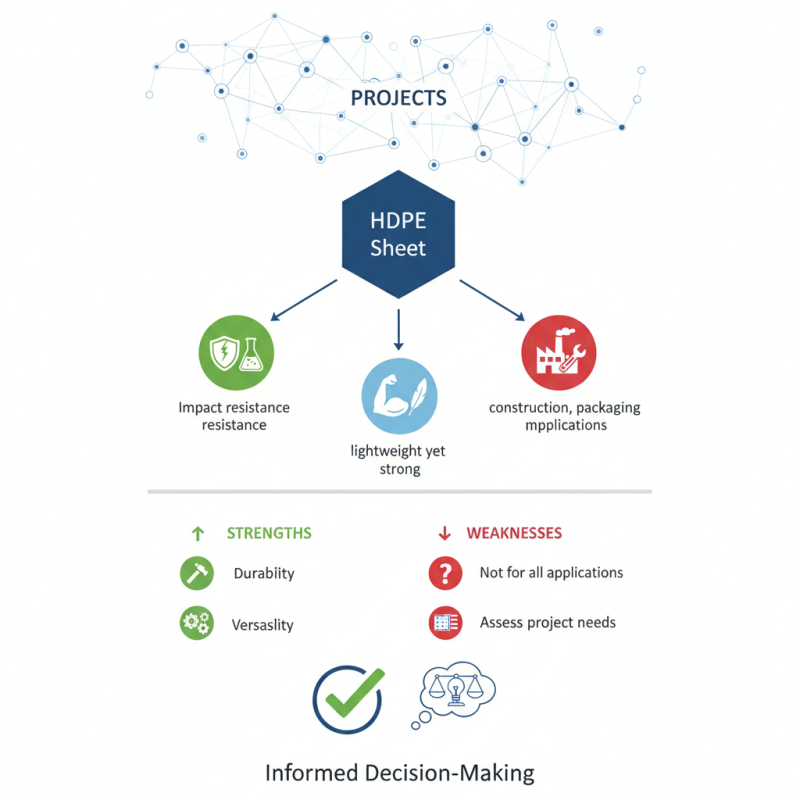
Whether you're working on construction, packaging, or manufacturing, HDPE sheet provides exceptional performance. It is lightweight, yet strong, allowing for easy handling and installation. However, it is essential to carefully assess your project requirements before committing. Not all applications may benefit from HDPE sheet’s unique properties. Understanding its limitations can lead to better decision-making.
Choosing HDPE sheet involves understanding both its strengths and weaknesses. While it excels in many areas, some projects may require different materials for optimal results. Keeping these considerations in mind ensures that you choose the right material for your specific needs. Ultimately, the right choice can make all the difference in the success of your project.
Benefits of Using HDPE Sheets in Various Applications
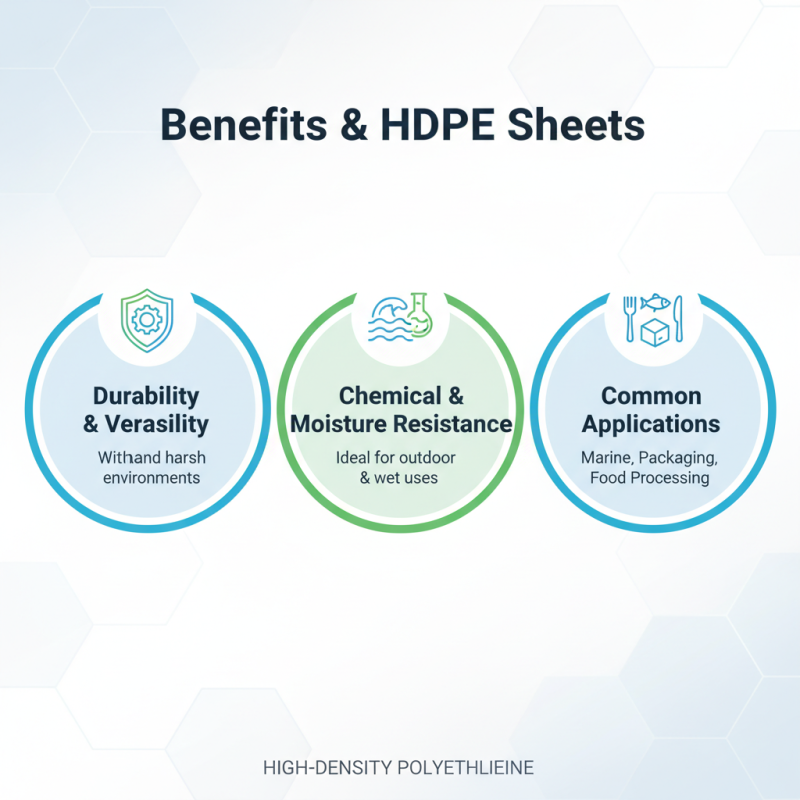
When it comes to selecting materials for your next project, HDPE sheets stand out for their unique advantages. These high-density polyethylene sheets are known for their durability and versatility. They can withstand harsh environments, making them ideal for outdoor uses. Due to their resistance to chemicals and moisture, HDPE sheets are commonly used in applications like marine construction, packaging, and food processing.
One notable benefit of HDPE sheets is their ease of maintenance. They require minimal cleaning and resist stains, making them suitable for busy settings. Additionally, these sheets are recyclable, promoting sustainability in various industries. However, while HDPE is strong, it can sometimes be prone to scratching, which may require careful handling.
Another important aspect is their weight. HDPE sheets are lightweight yet strong, making them easy to transport and install. This can save time and labor costs during construction. Despite their many benefits, it's essential to assess specific project needs. Not every application may require HDPE, and understanding its limitations can guide your decision-making process.
Durability and Strength: Key Features of HDPE Sheets
When it comes to choosing materials for your next project, HDPE sheets stand out due to their exceptional durability and strength. These sheets can withstand heavy loads, making them ideal for various applications. Their resistance to impact and stress ensures they remain intact under challenging conditions. Whether used in construction or manufacturing, HDPE sheets can endure wear and tear over time.
**Tips:** When working with HDPE sheets, consider the specific environmental factors. Temperature extremes can affect performance. Cutting the sheets properly will minimize waste. Remember, proper handling is essential. Small mistakes can lead to significant consequences.
HDPE sheets are also resistant to chemicals, which adds to their reliability. This feature makes them suitable for industrial settings where exposure to substances is common. Additionally, their low moisture absorption helps maintain structural integrity, even in humid conditions. Despite these advantages, it's crucial to assess your project's unique requirements carefully. Rushing the decision can lead to overestimating the material's suitability.
**Tips:** Always test samples in your environment. This can reveal hidden challenges. Pay attention to the surface finish; imperfections can impact longevity. Strive for a balance between cost and quality to ensure lasting results.
Durability and Strength of HDPE Sheets
The chart above illustrates key performance metrics of HDPE sheets, highlighting their superior durability and strength features, crucial for various applications.
Environmental Considerations: Sustainability of HDPE Materials
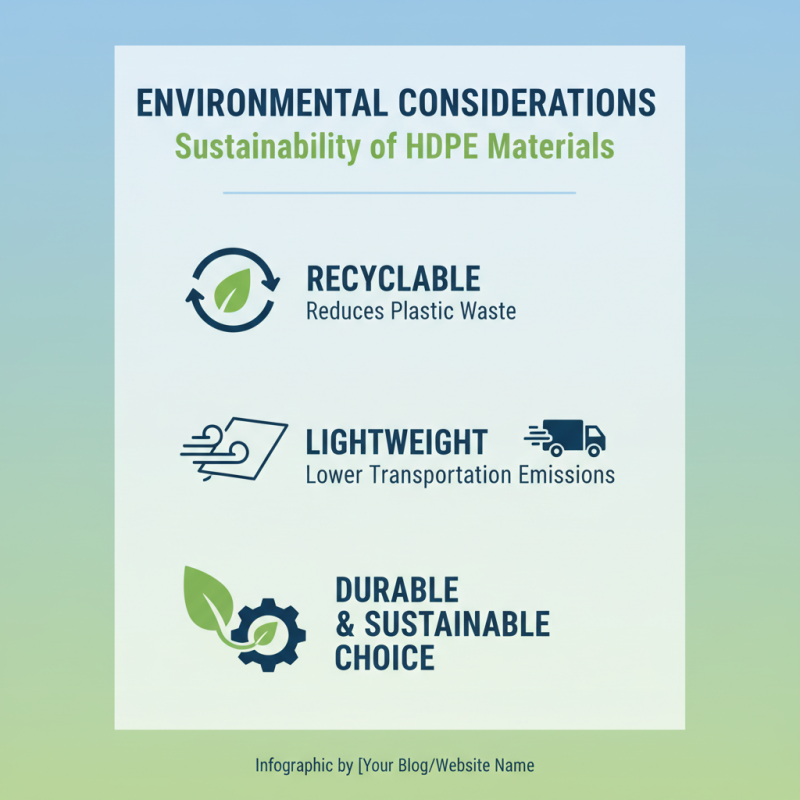
When considering materials for your next project, HDPE sheets stand out due to their environmental advantages. Made from high-density polyethylene, these sheets are recyclable and can help reduce plastic waste. The lightweight nature of HDPE means lower transportation emissions compared to heavier materials. As you incorporate HDPE, you're not only choosing durability but also taking a step towards sustainability.
However, it’s essential to recognize the concerns surrounding plastic products. While HDPE is recyclable, the recycling process is not always perfect. Some facilities may not accept all HDPE products. Additionally, the production process itself can have a carbon footprint. Choosing to work with certified recycled HDPE can mitigate some of these impacts, but it requires careful sourcing. Being informed about where your materials come from can promote better practices in the industry.
Ultimately, using HDPE sheets invites a dual responsibility. You are supporting a material that has potential sustainability benefits while also reflecting on the environmental costs tied to plastic. As you plan, consider both the pros and cons. Sustainable choices are not solely about the material but about the entire lifecycle and impact of your project.
Cost-Effectiveness: How HDPE Sheets Save You Money
When considering materials for your next project, HDPE sheets stand out for their cost-effectiveness. These durable sheets often require little maintenance after installation. This can lead to significant savings over time. Unlike other materials, HDPE resists chemicals and UV damage, making it perfect for various applications. Whether you’re building structures or crafting custom solutions, these sheets can endure harsh environments.
The initial investment in HDPE might be higher than alternatives. However, the long-lasting nature of these sheets offsets that cost. You save on repairs and replacements in the long run. Many users find that HDPE sheets can significantly reduce labor and material costs. Additionally, their lightweight characteristic can simplify the handling and installation process, saving time and effort.
Choosing the right material is crucial. While HDPE sheets offer several advantages, there could be alternatives that suit specific needs better. It’s wise to evaluate your project requirements carefully. Not every project benefits from the same materials, and that’s okay. Consider consulting with professionals who can provide insights based on experience and expertise.
Versatility in Design: Applications of HDPE Sheets Across Industries
HDPE sheets stand out for their versatility, making them suitable for various applications across multiple industries. Their resistance to moisture, chemicals, and UV exposure makes them invaluable.
In the construction sector, HDPE sheets are frequently used as barriers or liners. They can safeguard against water seepage in foundations and retain soils on slopes. This durability ensures they withstand various environmental conditions over time.
In the food industry, HDPE sheets serve as cutting boards and surfaces. Their non-porous nature prevents bacteria from seeping in, promoting hygiene. This characteristic is crucial, especially in commercial kitchens. However, one should note the importance of regular cleaning to maintain this hygiene standard. Some users have reported issues with scraping causing scratches, which may harbor bacteria if left unaddressed.
Packaging and transportation industries also benefit from HDPE sheets. They provide lightweight, sturdy packaging solutions. HDPE's flexibility allows it to be molded into various shapes and sizes, catering to specific needs. Yet, the challenge lies in ensuring proper disposal after use, as recycling can sometimes be insufficient. By being aware of these nuances, users can make the most informed choices in their projects.