How to Choose the Right Geotextile Sheet for Your Project?
Choosing the right Geotextile Sheet is crucial for project success. These sheets serve multiple functions, like separation, filtration, and reinforcement. They play a vital role in soil stabilization and erosion control, where the wrong choice can lead to complications.
When selecting a Geotextile Sheet, consider specific project needs. Different materials offer unique properties. Some are permeable, while others are not. This difference can impact drainage, durability, and overall effectiveness. It’s essential to match these properties with your project requirements.
Many factors influence this decision, including soil type, climate, and intended use. A misjudgment in any of these areas could result in project failure. It’s vital to reflect on past experiences and learn from them. Proper guidance can ensure you make an informed choice.
Understanding Geotextile Sheets and Their Applications
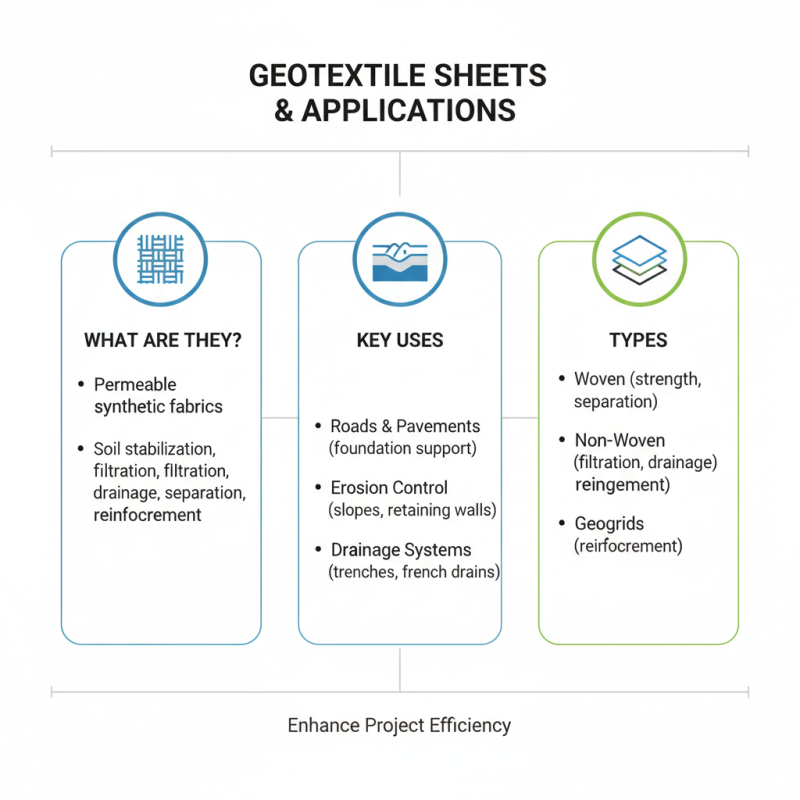
Geotextile sheets are essential for various construction and landscaping projects. They help with soil stabilization, drainage, and erosion control. Understanding their applications can significantly enhance project efficiency. Different types of geotextiles serve unique purposes. Some are designed for filtration, while others focus on reinforcement or separation.
When selecting a geotextile sheet, consider the specific needs of your project. Think about soil type and environmental conditions. A woven geotextile may work best in high-stress areas. Non-woven options are better for filtration.
**Tips:** Always assess your local climate. Is it rainy or dry? Choose a geotextile that matches. Test your soil before deciding. This can reveal much about what you need. Reflect on your project goals. Are you looking for long-term solutions or temporary fixes? Clarifying this helps in your choice.
Key Factors to Consider When Selecting Geotextile Materials
When selecting geotextile materials for your project, several key factors come into play. One of the most critical aspects is the type of project you are undertaking. For instance, erosion control applications typically benefit from non-woven geotextiles. These materials are ideal for allowing water to pass through while filtering out soil particles. According to a 2022 industry report, nearly 65% of civil engineering projects have utilized non-woven geotextiles for such purposes.
Another important factor is the separation and reinforcement effectiveness of the material. Geotextiles are categorized based on their function: separation, filtration, and reinforcement. The selection depends on soil conditions and the load-bearing requirements of the project. A closer look shows that projects requiring high load support should not overlook woven geotextiles. They offer superior tensile strength, with some brands boasting over 20 kN/m. However, choosing the wrong type without proper analysis can lead to project failures, resulting in costly delays and rework.
Durability is also a significant concern. Geotextiles are often exposed to harsh environmental conditions. A study from the Geosynthetic Institute highlighted that 30% of geotextile failures in the field were due to UV degradation. It’s vital to consider the lifespan and environmental factors when selecting materials. Projects that overlook this can face severe consequences, such as premature failure. Being mindful of these factors will help ensure the success of your geotextile applications.
How to Choose the Right Geotextile Sheet for Your Project? - Key Factors to Consider When Selecting Geotextile Materials
| Factor |
Description |
Considerations |
| Material Type |
Common types include non-woven, woven, and composite. |
Choose based on drainage needs, soil types, and structural requirements. |
| Thickness |
Thickness affects strength and durability. |
Consider project load and environmental conditions. |
| Porosity |
Refers to the permeability of the geotextile. |
Essential for drainage projects to prevent water buildup. |
| UV Resistance |
Ability to withstand sunlight exposure. |
Important for projects exposed to sunlight for prolonged periods. |
| Tensile Strength |
Maximum load which a geotextile can sustain. |
Select based on the stability requirements of the project. |
| Cost |
Overall budget for geotextile materials. |
Balance between quality and affordability. |
Types of Geotextiles and Their Specific Uses in Projects
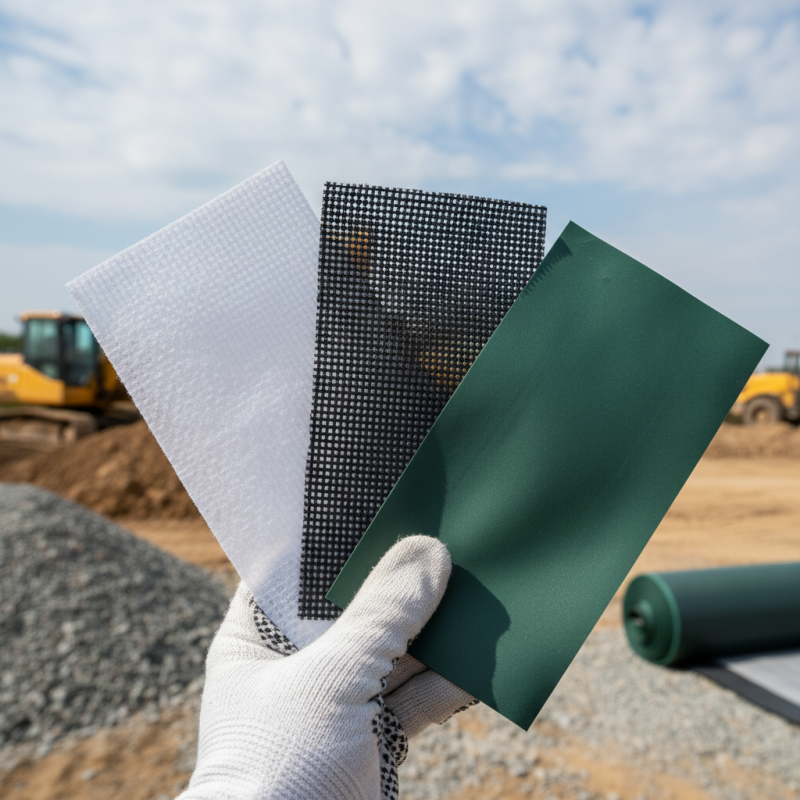
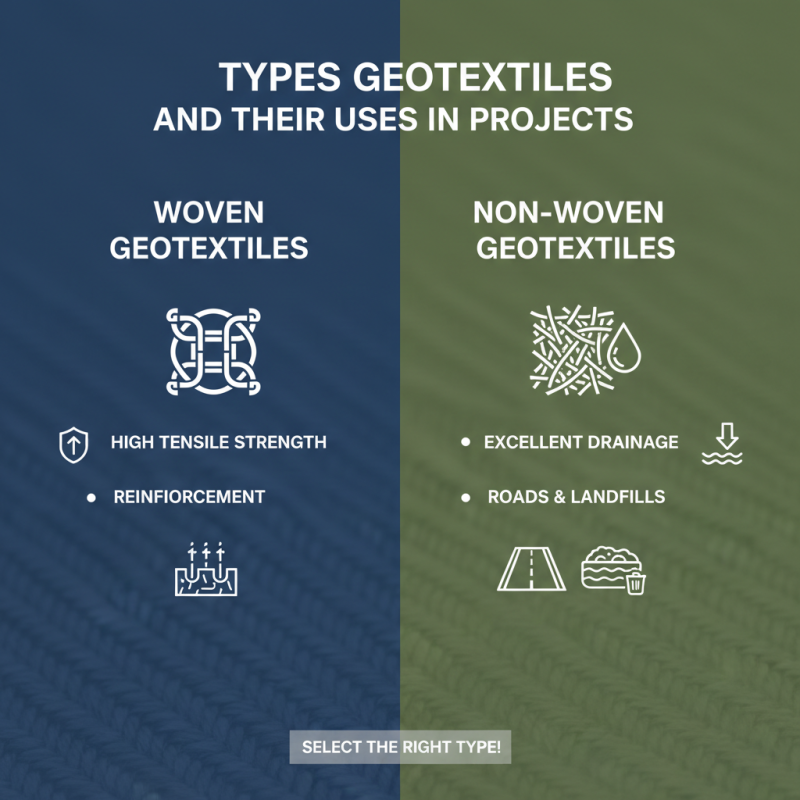
When selecting geotextiles, understanding the types available is crucial. There are two main categories: woven and non-woven. Woven geotextiles offer high tensile strength. They are ideal for applications requiring reinforcement. Meanwhile, non-woven geotextiles provide excellent drainage. They are suited for projects like road and landfills.
The specific uses of these geotextiles vary significantly. According to industry reports, woven fabrics are often used in soil stabilization. In contrast, non-woven versions are commonly utilized for filtration. Research indicates that geotextiles can reduce soil erosion by up to 30%. This makes them essential in construction and landscaping.
Tips: Always match the geotextile type with your project needs. For example, assess soil conditions before making a choice. Think about long-term performance and environmental factors too. Not all geotextiles perform equally under different conditions. It’s important to consider local climate and soil types during selection.
Evaluating Performance Characteristics of Geotextile Fabrics
When selecting geotextile fabrics for your project, understanding their performance characteristics is essential.
These fabrics can vary significantly in terms of strength, permeability, and durability.
Assessing these qualities ensures that you choose the right material for your specific needs.
For instance, if your project requires a high level of water filtration, a non-woven geotextile might be the best choice due to its superior drainage capabilities.
Tips: Always consider the soil type where the fabric will be used.
Some fabrics perform better in sandy conditions, while others excel in clay soils.
Consider the environment where the geotextile will be installed.
Exposure to UV light, chemicals, and mechanical stresses can affect longevity.
It's crucial to reflect on how these factors might influence your project over time.
Using a geotextile that can't withstand the conditions may lead to failure.
Tips: Perform a project-specific evaluation.
Do not rely solely on general information.
Testing samples beforehand can help you make an informed choice.
Remember, the right selection today can save you from costly repairs in the future.
Making a Sustainable Choice: Environmental Considerations for Geotextile Use
When selecting geotextile sheets, environmental considerations are crucial. These materials have various applications, from soil stabilization to erosion control. The choice can impact local ecosystems significantly. For example, non-biodegradable geotextiles may contribute to long-term pollution. Using natural fibers can reduce this risk. However, they often come with specific limitations.
It’s essential to evaluate the lifecycle of the geotextile. Some products may be durable but harmful. Biodegradable options can offer benefits, yet they might not perform as well in extreme conditions. Conducting a thorough analysis helps in making sustainable choices. Look for certifications that ensure minimal environmental impact.
Consider the sourcing of materials too. Geotextiles made from recycled plastics can be a double-edged sword. While they reuse waste, the processing can be energy-intensive. Ultimately, each project demands careful thought about the trade-offs. Awareness of these details fosters responsible decisions for a sustainable future.
Geotextile Types and Their Environmental Impacts