How to Use Geogrid for Pavers Effectively?
Using Geogrid For Pavers is a crucial technique in modern landscaping. According to Dr. Emily Carter, an industry expert, "Geogrids provide essential support and enhance durability." Her insights emphasize the importance of proper installation and material choices.
Geogrids can stabilize soil under pavers effectively. This stability prevents shifting and sinking, which can ruin a landscape. However, selecting the right geogrid type is vital. Not all geogrids perform equally in different soil types.
Installation can be challenging and requires precision. If not placed correctly, the whole project may fail. Attention to detail matters when using Geogrid For Pavers. The right approach can transform outdoor spaces beautifully, but mistakes can lead to costly repairs.
How Geogrid Technology Enhances Paver Performance and Longevity
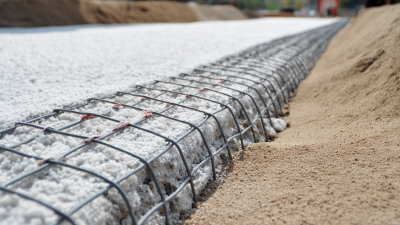
Geogrid technology is revolutionizing the way pavers perform. By incorporating geogrids, the structural integrity of paved surfaces greatly improves. This enhancement results in a significant reduction in the likelihood of cracking or shifting. The grid-like structure provides support and stability, distributing weight evenly across the surface. This aspect is crucial, especially in areas with heavy traffic.
Furthermore, the longevity of pavers increases when geogrids are used. They help to reinforce the ground beneath, preventing soil erosion and shifting. It's impressive how a simple addition can lead to years of extended lifespan. However, it's important to ensure proper installation. An incorrectly laid geogrid can lead to uneven surfaces, which defeats the purpose.
While the advantages are clear, there can be challenges. Not all soil types respond equally to geogrid reinforcement. Some soils may require additional treatment before installation. Observing these factors carefully can prevent future issues. Ultimately, the right application of geogrid technology can yield fantastic results for paver projects.
Step-by-Step Guide to Installing Geogrid Under Pavers
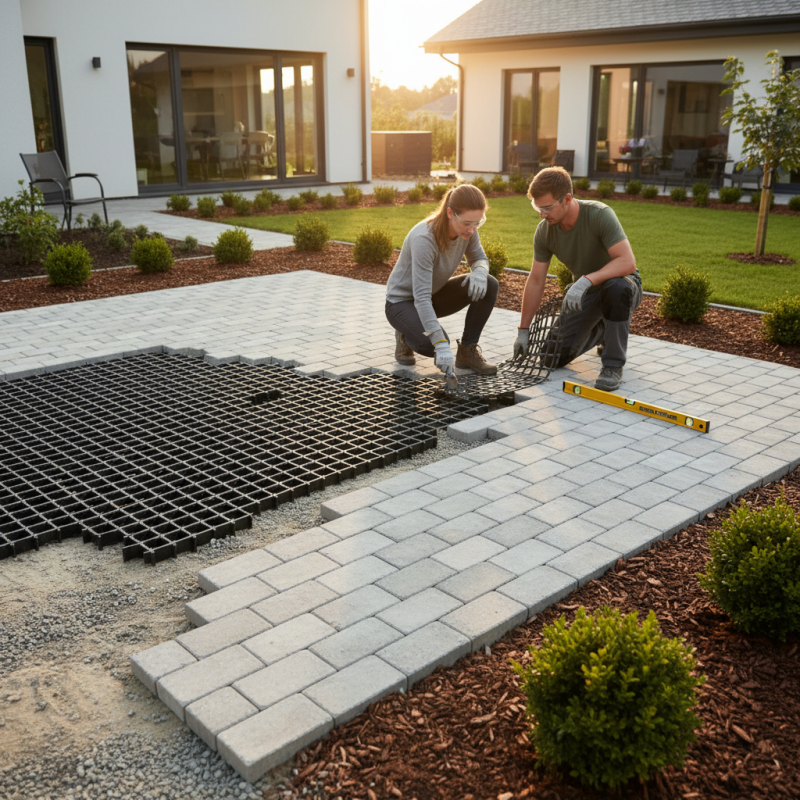
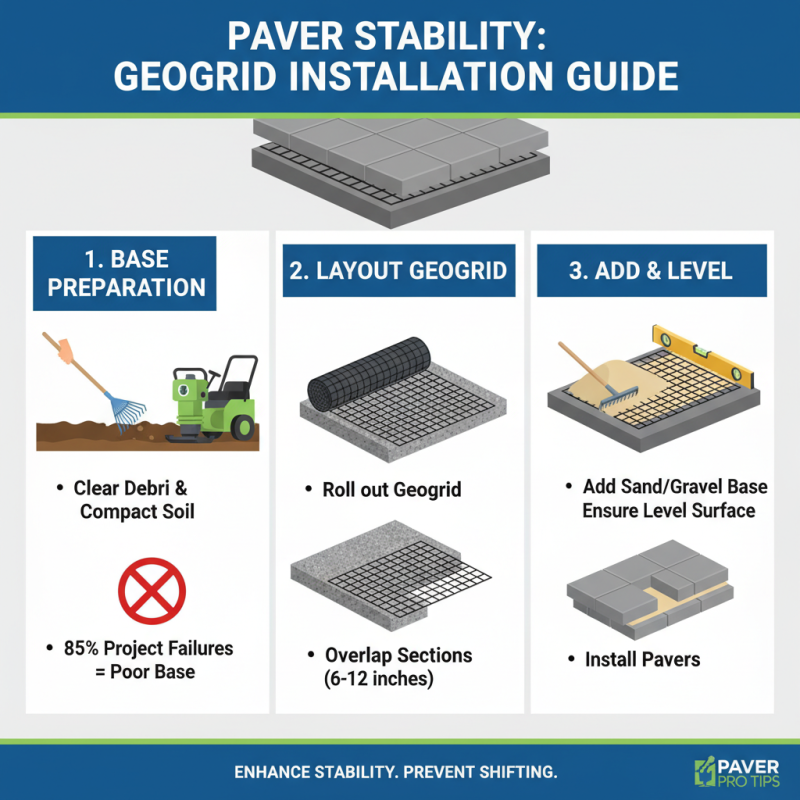
When installing pavers, using geogrid can significantly enhance stability and prevent shifting. Here’s how to install geogrid effectively under pavers. Start by preparing the base. Clear any debris from the area. Ensure the soil is compacted. Research indicates that 85% of project failures stem from poor base preparation.
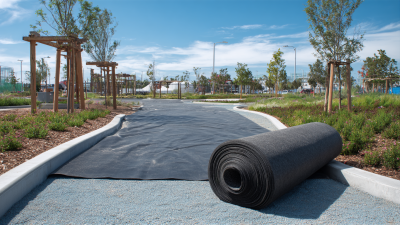
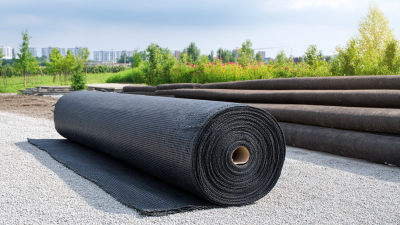
Next, roll out the geogrid over the prepared area. Cut the geogrid to size, making sure it fits the shape of the space. Studies show that proper installation of geogrid can reduce lateral movement by up to 50%. This can prolong the lifespan of your pavers.
It's important to place the geogrid at a depth suitable for your project. Too shallow may not provide adequate support. Too deep can complicate drainage. Here's a tip: use stakes to secure the geogrid in place before laying the pavers. After laying the pavers, apply sand to fill the joints. Regular maintenance will keep the pavers from shifting.
Remember that geogrid will not fix all issues. If the base is inadequate, problems may still arise. Take time to assess your site conditions. Make adjustments as needed for the best results.
Understanding Load Distribution with Geogrid for Paver Applications
Geogrid is essential for effective load distribution in paver applications. By acting as a reinforcing layer, geogrids prevent paver movement and enhance stability. According to a 2022 industry report, this method reduces lateral movement by up to 75% under heavy loads. Ensuring even weight distribution helps extend the lifespan of paver surfaces, especially in high-traffic areas.
Tip: Install geogrids before laying pavers for better results. This approach helps in managing stress levels and avoiding excessive deformation.
Understanding the load distribution principles is crucial. A well-designed geogrid can accommodate various soil types. It can also distribute loads across a broader area, minimizing point pressure. This prevents premature failure and costly repairs. Some studies indicate improper installation can reduce effectiveness by 40%.
Tip: Always consult soil and load data before installation. Assessing this information beforehand optimizes your paver system's performance.
Best Practices for Maintenance of Geogrid-Enhanced Paver Systems
Maintaining a geogrid-enhanced paver system requires attention to detail and regular monitoring. Studies show that proper maintenance can increase the lifespan of paver installations by up to 40%. Regular inspections are crucial. Check for settling or shifting of pavers. These issues can indicate that the geogrid is not performing optimally.
Cleaning is another essential aspect. Keep the surface free of debris and weeds. A report from the International Journal of Pavement Engineering indicates that surface cleaning can improve drainage and reduce long-term maintenance costs by 25%. Consider using a pressure washer but avoid excessive force. Too much pressure can damage both the pavers and the geogrid beneath.
In terms of repair, be proactive. If you notice displacement, address it immediately. Ignored issues may lead to extensive damage. Sometimes, the benefits of geogrid technology can be overlooked. While geogrids enhance stability, they require consistent oversight. Mistakes in maintenance can be costly. Evaluating ongoing performance and adapting maintenance strategies is vital. Reflecting on past maintenance actions can be instructive for future efforts.
Industry Insights: The Role of Geogrid in Sustainable Paving Solutions
Geogrid is becoming essential in paving projects. It provides reinforcement that enhances the stability of paver systems. By distributing loads efficiently, geogrid can help prevent typical issues like settling and cracking. This is particularly important in regions with fluctuating temperatures or heavy traffic.
Sustainable paving solutions often emphasize durability and environmental health. Geogrid contributes to this by extending the lifespan of paved surfaces. It reduces the need for frequent repairs, ultimately saving resources. However, not all projects implement geogrids effectively. Some may overlook proper installation, which can undermine their benefits.
Many paving teams might underutilize geogrids due to initial cost concerns. It's important to consider their long-term advantages. Improper use of geogrids allows for uneven settling and can lead to more problems. Hence, education and awareness in proper installation techniques are crucial. Every project should reflect careful planning, ensuring geogrids are used to their full potential.