What is Geo Grid Mesh and How Is It Used in Construction?
Geo Grid Mesh is transforming the construction industry. This innovative material enhances soil stability and reduces settlement issues. John Smith, a leading expert in geotechnical engineering, states, “Geo Grid Mesh provides unmatched support and durability for various construction projects.” His insight highlights the material's essential role in modern infrastructure.
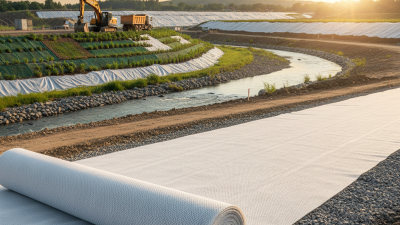
Construction professionals increasingly rely on Geo Grid Mesh for its strength and flexibility. This mesh is woven from high-strength polymers, ensuring durability under pressure. Projects such as roadways, retaining walls, and embankments benefit significantly from its use. Engineers appreciate how it improves load distribution and minimizes erosion risks.
However, challenges remain in adapting Geo Grid Mesh to different soil types. Users must ensure proper installation techniques to maximize its benefits. As the industry evolves, ongoing research and development will further enhance Geo Grid Mesh applications, pushing construction reliability to new heights.
Definition and Characteristics of Geo Grid Mesh
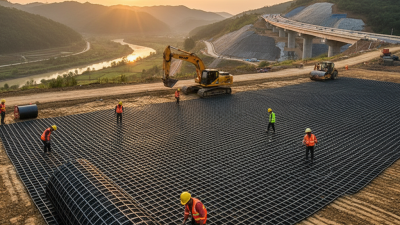
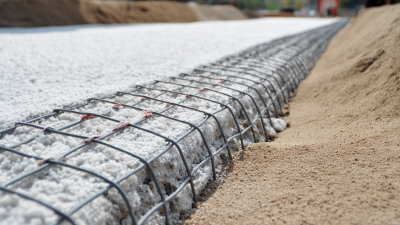
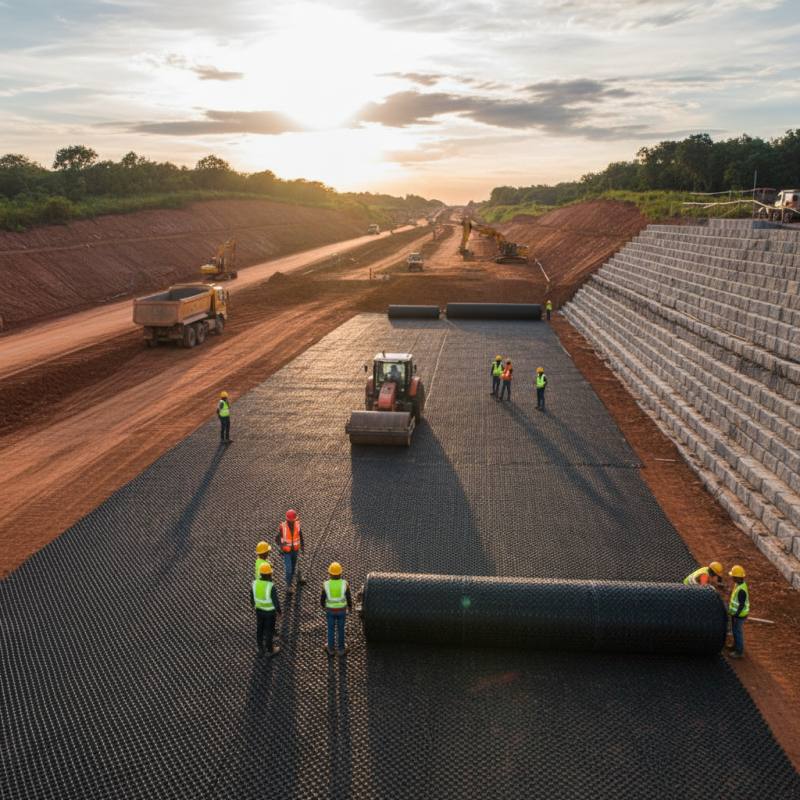
Geo Grid Mesh is a critical component in modern construction. It consists of a network of polymer sheets that provide reinforcement in soil and other materials. This mesh improves the stability and load distribution in various applications. It is often used in retaining walls, roadways, and slopes. The design allows for easy installation and adaptability across diverse projects.
One key characteristic of Geo Grid Mesh is its ability to enhance soil mechanics. The mesh interlocks with soil particles, creating a strong bond. This bond helps in preventing soil erosion and settling. Additionally, Geo Grid Mesh is lightweight yet highly durable. Its flexibility allows it to conform to different terrains easily. However, improper installation can lead to underperformance. Professionals must ensure correct placement and alignment.
These characteristics make Geo Grid Mesh an effective solution for construction needs. Its benefits can lead to longer-lasting structures. Nevertheless, it is crucial to consider environmental conditions and soil types when implementing Geo Grid Mesh. Conducting thorough site assessments can help maximize its effectiveness. This careful approach helps avoid potential pitfalls. Overall, while Geo Grid Mesh is beneficial, careful planning is essential for optimal results.
Types of Geo Grid Mesh Materials Used in Construction
Geo grid mesh is an essential component in modern construction. Various materials are utilized for geo grid mesh, each offering unique benefits. One common type is polyester. Its high tensile strength makes it ideal for reinforcement in soil stabilization. Polyester grids are resistant to chemicals and UV light, ensuring long-lasting performance.
Another material often used is polypropylene. This material is lightweight yet durable, making it suitable for extensive applications. It adapts well to uneven surfaces, providing stability in road construction projects. Moreover, its flexibility allows it to be easily installed, reducing labor costs on-site.
Fiberglass is also gaining traction in construction projects. This mesh type is known for its superior load distribution. It can help minimize deformation under heavy loads. While fiberglass grids are effective, they can be more challenging to install, requiring skilled labor. Overall, the choice of geo grid mesh material may vary based on project requirements, soil conditions, and budget constraints. Evaluating these factors is crucial for achieving optimal results.
Types of Geo Grid Mesh Materials Used in Construction
Applications of Geo Grid Mesh in Soil Stabilization
Geo grid mesh is an essential tool in construction, particularly for soil stabilization. It consists of a network of high-strength polymers designed to enhance the bearing capacity of weak soils. By distributing loads over a wider area, geo grid mesh improves structural support. This technique is beneficial for road construction, retaining walls, and foundations in soft soil conditions.
One key application of geo grid mesh is in unpaved road construction. It helps to reduce rutting and improves overall longevity. In many cases, installation is straightforward, requiring minimal equipment. However, it's crucial to correctly assess soil conditions before application. Poor assessment can lead to project failures.
Tips: Always conduct soil tests prior to installation to determine the appropriate type of geo grid mesh. Observing local environmental conditions can prevent errors. Collaboration with geotechnical engineers also enhances the reliability of construction projects.
What is Geo Grid Mesh and How Is It Used in Construction? - Applications of Geo Grid Mesh in Soil Stabilization
| Application Area |
Description |
Benefits |
Typical Uses |
| Road Construction |
Geo grid mesh is used to reinforce base layers in road construction. |
Improves load distribution and extends road life. |
Highways, access roads, and urban streets. |
| Slope Stabilization |
Used to prevent soil erosion and manage steep slopes. |
Reduces erosion risk and enhances landscape durability. |
Landscaping, agricultural fields, and hillsides. |
| Foundation Support |
Provides reinforcement for building foundations on weak soil. |
Enhances load-bearing capacity and stability. |
Commercial and residential buildings. |
| Retaining Walls |
Supports earth retention structures to hold back soil. |
Increases wall stability and lifespan. |
Terraced gardens and constructed slopes. |
| Parking Lots |
Used in the sub-base for improved performance of parking surfaces. |
Minimizes rutting and surface deformation. |
Commercial and residential parking areas. |
Benefits of Using Geo Grid Mesh in Construction Projects
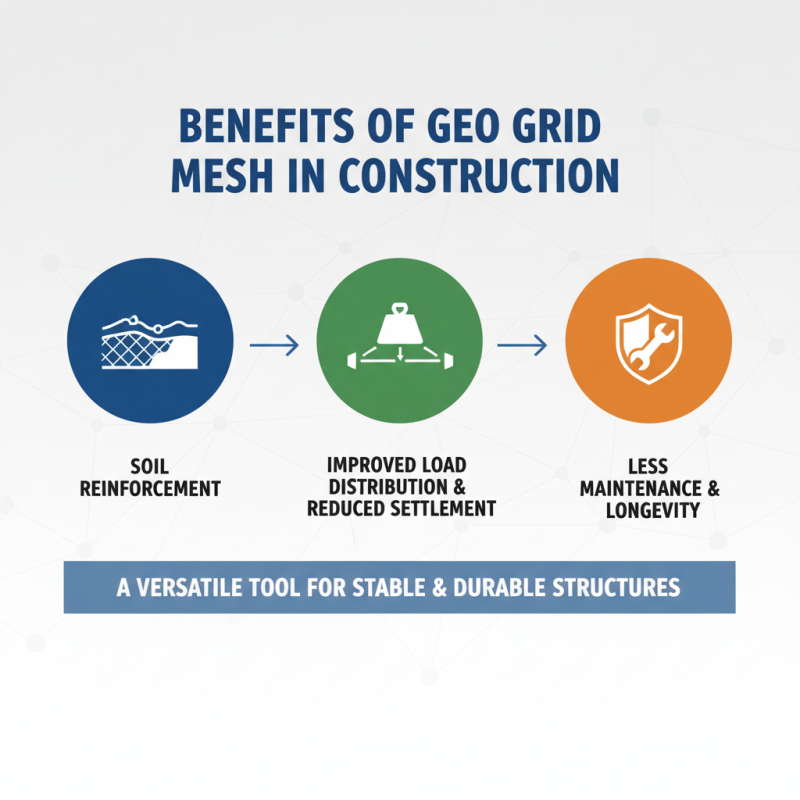
Geo grid mesh is a versatile tool in construction, offering significant benefits that enhance the stability and longevity of structures. It is primarily used for soil reinforcement. This technique improves load distribution and reduces differential settlement. As a result, projects with geo grid mesh often require less maintenance over time.
One of the main advantages of using geo grid mesh is its ability to enhance the bearing capacity of soil. This is particularly valuable in construction sites with weak or unstable ground. When employed effectively, geo grid mesh can transform challenging sites into robust foundations. Additional benefits include cost savings, as constructions may require fewer materials, and overall durability, which ultimately leads to lower lifecycle costs.
Tips: Before implementation, assess soil conditions carefully. Engage with qualified professionals to determine the best type of geo grid mesh for your project. Test samples in small areas to evaluate performance before full-scale installation. Consider potential environmental impacts, as these materials can affect drainage patterns. Monitoring and adjusting your project's approach can yield better results in the long run.
Installation Techniques and Best Practices for Geo Grid Mesh
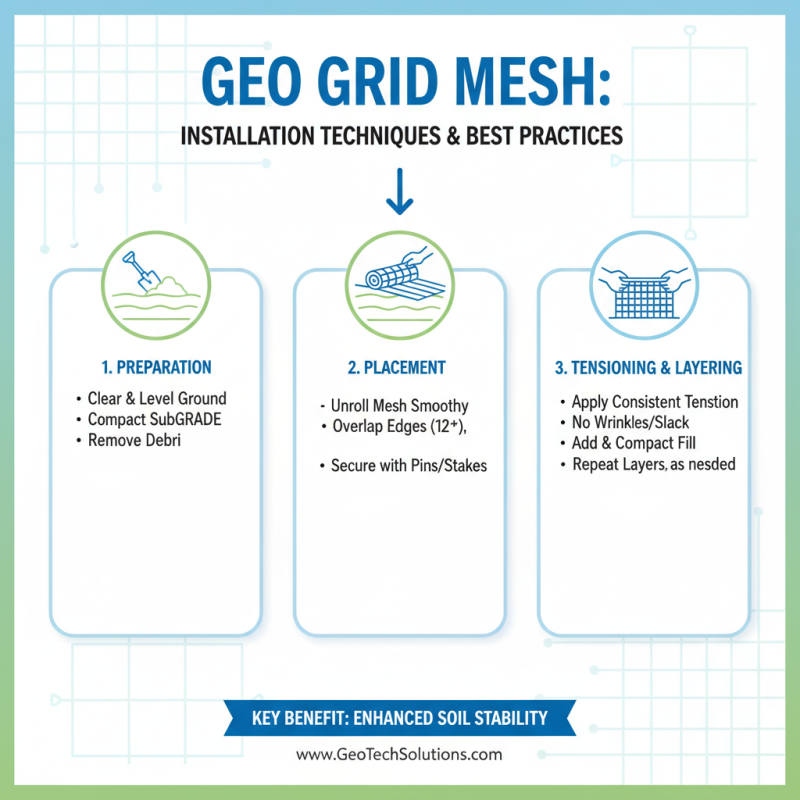
Geo grid mesh is gaining traction in construction due to its strengthening capabilities. When properly installed, it improves soil stability and reinforces earth structures. Correct installation is crucial for optimal performance. Each layer requires careful tensioning, ensuring consistency across the mesh.
Best practices include proper site preparation. Clear debris and ensure a level surface before laying the mesh. Overlapping sections is recommended for maximum strength, yet it’s essential to monitor overlaps for uniformity. Misalignment can lead to weak points in the structure. Regular checks during installation can help identify such issues early on.
Training crews on installation techniques is vital. Workers should understand tensioning and anchoring methods. Regular feedback loops can refine these practices. Installation isn't perfect. Occasionally, miscalculations happen. Reflecting on these mistakes can enhance future projects. Emphasizing continuous improvement will lead to stronger, more reliable applications of geo grid mesh in construction.