Top 10 Geo Synthetic Materials for Sustainable Construction and Environmental Solutions
As the construction industry increasingly embraces sustainability, the role of Geo Synthetic Materials has emerged as a pivotal focus in environmental solutions. These innovative materials, designed to enhance the performance and longevity of civil engineering projects, offer a unique blend of functionality and eco-friendliness. By integrating Geo Synthetic Materials into construction practices, engineers and architects can mitigate environmental impact while promoting resource efficiency.
The versatility of Geo Synthetic Materials spans a wide range of applications, from erosion control to groundwater management and waste containment. Their ability to improve soil stability and reduce the reliance on traditional construction methods makes them an indispensable tool in modern sustainable construction. Moreover, as environmental concerns continue to escalate, incorporating these materials not only supports infrastructure development but also contributes to the preservation of natural ecosystems.
In this discussion, we will explore the top 10 Geo Synthetic Materials that are reshaping the landscape of sustainable construction. By highlighting their characteristics, benefits, and applications, we aim to illuminate the vital role these materials play in achieving a balance between development and environmental stewardship.

Overview of Geo Synthetic Materials and Their Importance in Construction
Geo synthetic materials have emerged as essential components in sustainable construction and environmental solutions, serving various functions that enhance the efficiency and longevity of infrastructure projects. These materials, which include geotextiles, geomembranes, geogrids, and erosion control blankets, are specifically designed to improve soil stability, manage water flow, and reduce environmental impact. With their ability to assist in drainage systems, reinforce slopes, and create barriers against pollutants, geo synthetics play a crucial role in modern engineering practices aimed at minimizing ecological footprints.
The importance of geo synthetic materials in construction cannot be overstated. By incorporating these innovative solutions, engineers and developers can optimize resource usage, reduce waste, and ensure that projects are completed with lower emissions and energy consumption. For example, their use in landfill management and containment systems helps prevent contamination of surrounding ecosystems, contributing to cleaner environments. Moreover, geo synthetics facilitate effective land reclamation and stabilization efforts, ensuring that areas previously deemed unusable can be transformed into functional spaces. Overall, the strategic integration of geo synthetic materials not only supports the construction industry but also bolsters environmental stewardship, making them fundamental to sustainable development.
Key Types of Geo Synthetic Materials Used for Environmental Solutions
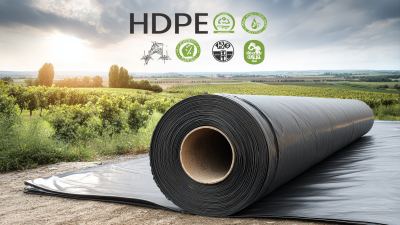
Geo synthetic materials play a crucial role in promoting sustainable construction methods and environmental solutions. Different types of geo synthetics, such as geomembranes, geotextiles, and geogrids, are designed to enhance soil stability, manage water, and prevent erosion while minimizing environmental impact. Geomembranes are impermeable layers that provide excellent barriers against contaminants, making them ideal for landfill liners and aquaculture applications. Their durability and resistance to chemical attack contribute significantly to safeguarding groundwater resources.
Geotextiles, another essential category of geo synthetic materials, are used for soil separation, reinforcement, and filtration. These fabric-like materials effectively manage water movement in soil, which helps prevent erosion and improve vegetation growth in challenging environments. Meanwhile, geogrids, which are used to stabilize soil structures, distribute loads effectively and enhance the strength of roads and foundations. Each of these materials serves a specific purpose, contributing to innovative solutions for ecological challenges while supporting sustainable construction practices. Together, these geo synthetic materials represent a step forward in creating durable infrastructure that respects and preserves the natural environment.
Top 10 Geo Synthetic Materials for Sustainable Construction
Applications of Geo Synthetic Materials in Sustainable Construction Practices
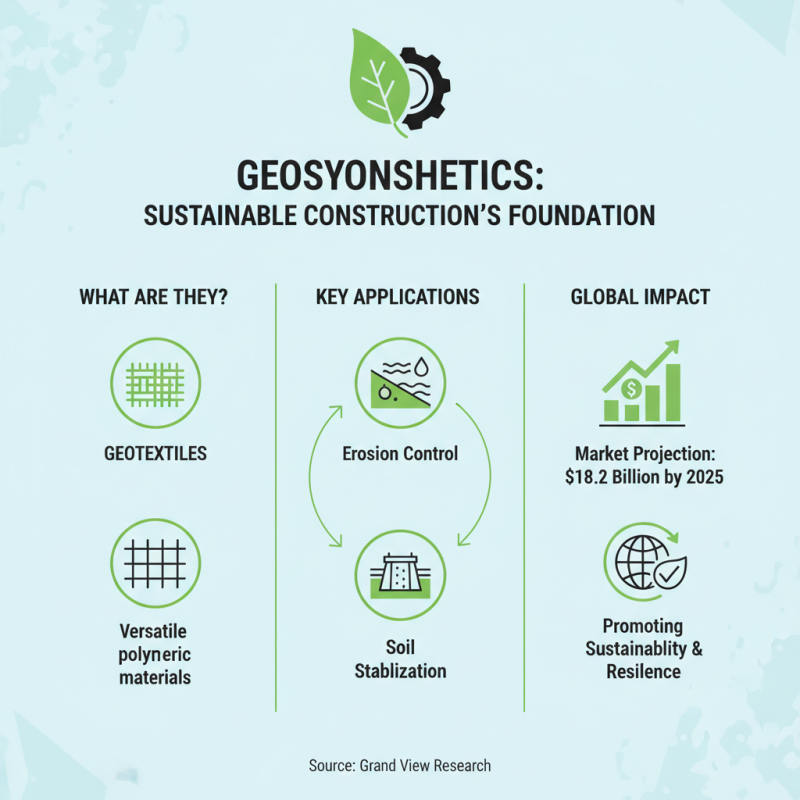
Geo synthetic materials have become a cornerstone in sustainable construction practices, facilitating innovative methods for addressing environmental challenges. These materials, including geotextiles, geomembranes, and geogrids, are extensively used in diverse applications such as erosion control, water management, and soil stabilization. According to a report by Grand View Research, the global geosynthetics market is projected to reach $18.2 billion by 2025, underscoring the growing recognition of these materials in promoting sustainability in construction.
In sustainable construction, geo synthetic materials contribute significantly to resource conservation and improved site performance. For instance, geotextiles used in road construction can reduce the need for traditional aggregate materials, thus lowering the carbon footprint. Additionally, geomembranes are vital in managing water containment systems, ensuring minimal leakage and effective groundwater protection. A study from the Geosynthetic Institute indicates that the use of geosynthetics can reduce construction waste by up to 50%, making them an essential component in eco-friendly building practices.
**Tips:** When selecting geo synthetic materials for a project, consider their environmental impact throughout their lifecycle, from production to disposal. Choosing recycled materials can further enhance sustainability. Ensure that all geo synthetic solutions are compliant with local environmental regulations to maximize the ecological benefits.
Benefits of Using Geo Synthetic Materials for Environmental Protection
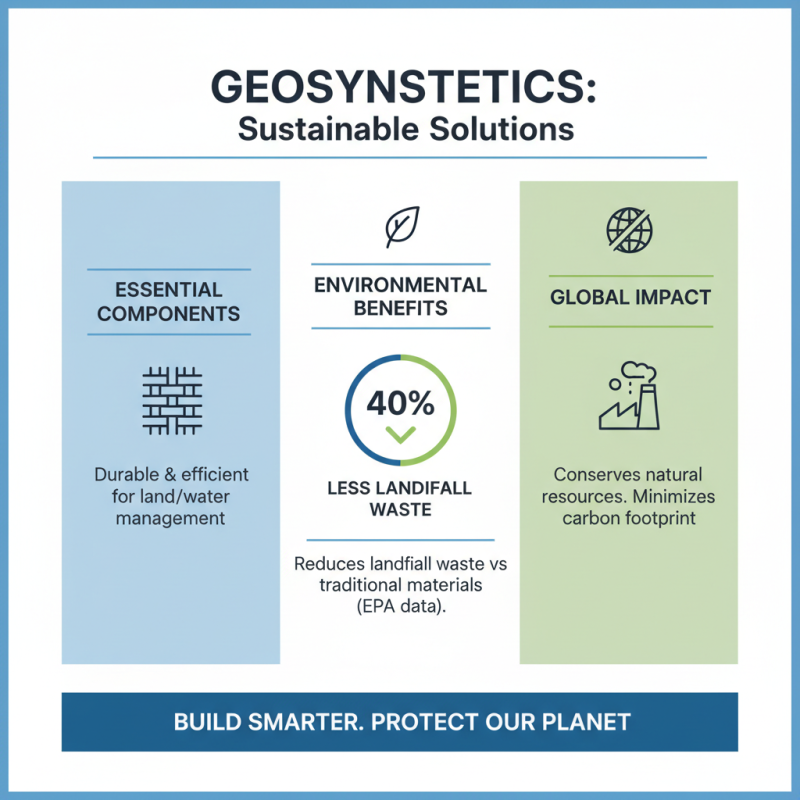
Geo synthetic materials have emerged as essential components in sustainable construction and environmental protection, offering a durable and efficient solution for various land and water management challenges. According to the Environmental Protection Agency (EPA), the use of geo synthetics in civil engineering can help reduce landfill waste by as much as 40% when compared to traditional materials. This reduction not only conserves natural resources but also minimizes the carbon footprint associated with construction processes.
One of the primary benefits of geo synthetic materials is their ability to enhance soil stability and performance. A report from the Geosynthetic Materials Association highlights that utilizing these materials can lead to a 50% increase in the lifespan of infrastructure projects, such as roadways and embankments, by effectively controlling erosion and improving drainage. Furthermore, geo synthetics prevent the contamination of soil and groundwater, as they act as a barrier against harmful pollutants, ultimately safeguarding ecosystems. As more construction projects aim for LEED certification, the adoption of geo synthetics contributes significantly to achieving sustainability goals while fostering a safer environment.
Future Trends in Geo Synthetic Innovations and Sustainable Practices
The future of geo synthetic materials is poised for significant transformation as innovations continue to advance sustainable construction practices.
One key trend is the integration of recycled and bio-based materials into geo synthetics, which not only reduces waste but also lessens the environmental impact associated with traditional production methods. These eco-friendly alternatives, including geotextiles made from recycled plastics and natural fibers, demonstrate improved durability and performance while promoting responsible resource management. As industries increasingly prioritize carbon footprint reduction, these materials are expected to gain a larger market share.
Furthermore, the development of smart geo synthetics equipped with sensors and monitoring technology represents a breakthrough in sustainable practices. These intelligent materials can provide real-time data on environmental conditions, structural integrity, and soil health, allowing for more informed decision-making in construction and land management. This innovation fosters proactive maintenance, reducing the need for invasive interventions that could disrupt local ecosystems. As these trends unfold, they pave the way for a more sustainable future, showcasing the potential of geo synthetics to enhance environmental stewardship across various construction applications.