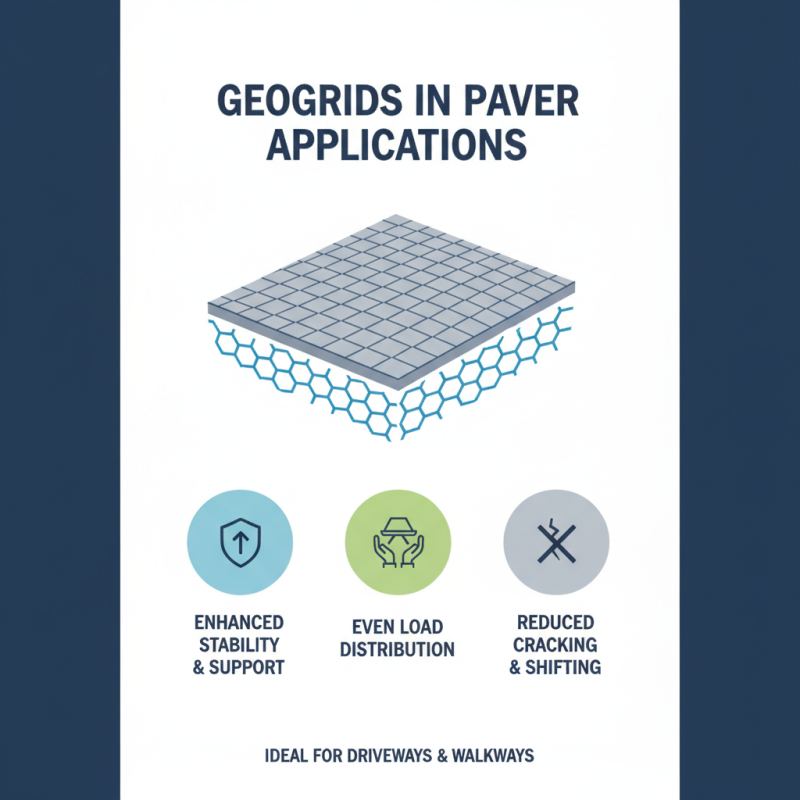
What is Geogrid For Pavers and How Does it Work?
Geogrid for pavers is an innovative solution for enhancing pavement structures. This technology enhances stability and load distribution on various surfaces. A report by the American Society of Civil Engineers notes that poor pavement performance can lead to premature failure and costly repairs.
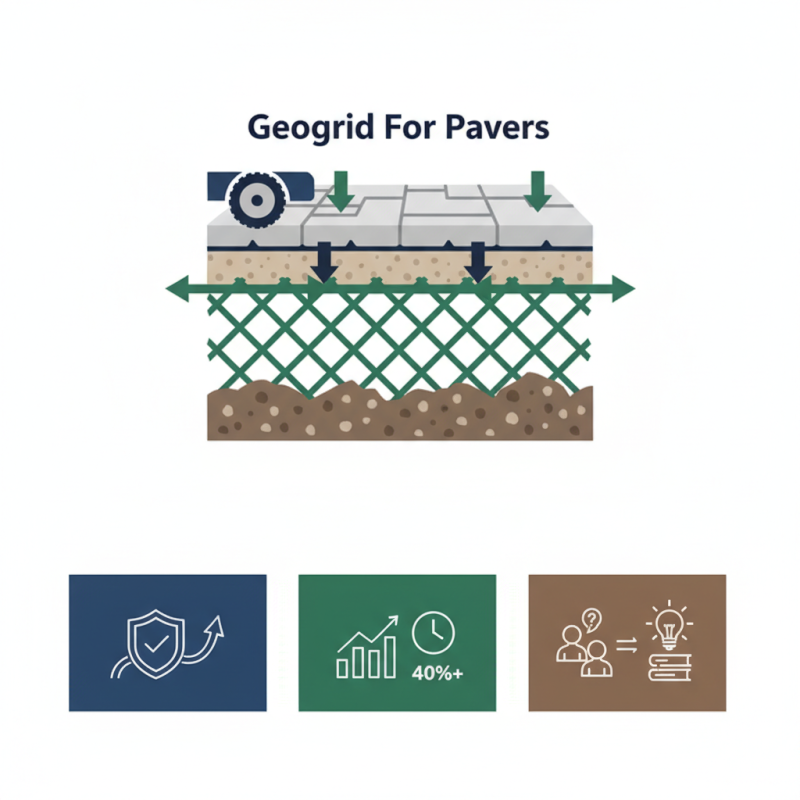
Geogrid for pavers provides reinforcement to reduce these risks. It is designed to interlock with aggregate bases, distributing vehicle loads over a broader area. A study shows that geogrid use can increase the lifespan of paving systems by up to 40%. This impressive outcome presents a clear advantage for cities and developers.
Despite its benefits, the adoption of geogrids is not widespread. Many organizations still rely on conventional paving methods. Potential users might hesitate due to initial costs or lack of awareness. Education and case studies showing successful implementations could bridge this gap. Geogrid for pavers is a promising tool, yet it requires more exploration and understanding within the industry.
Understanding Geogrid: Definition and Purpose
Geogrid is an important component in the realm of construction and landscaping.
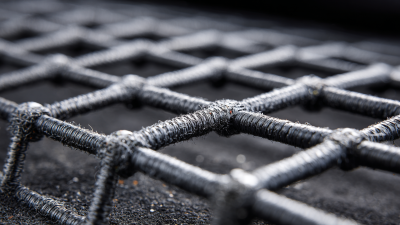
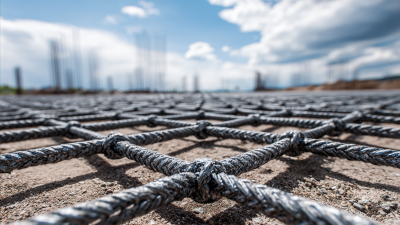
It is a type of polymer-based mesh designed to support pavers and other surfaces. The primary purpose of geogrid is to
reinforce the ground beneath, enhancing stability. This technology is particularly useful in areas with poor soil conditions.
When installed, geogrid creates a strong foundation. It works by distributing loads evenly across a larger area. This minimizes deformation and maintains the integrity of the surface.
As a result, pavers remain level and secure over time. However, it does take planning and precision to install geogrid properly.
Miscalculations can lead to uneven surfaces. The installation phase can often be challenging.
In some cases, geogrid may not be the best choice for every project. The cost could be prohibitive
for smaller budgets. Additionally, it requires specific knowledge to ensure effectiveness. Some may overlook these aspects, leading to potential failures in the system.
Thus, careful consideration and attention to detail are crucial.
How Geogrids Enhance Paver Performance and Stability
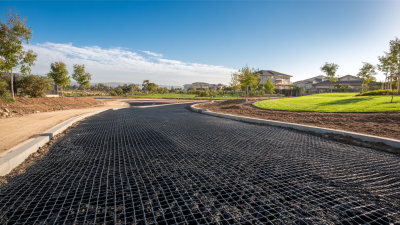
Geogrids play a critical role in enhancing the performance and stability of paver installations. These grid-like structures are typically made from polymers or other materials. They create a strong framework that distributes the weight across a broader area. This prevents the pavers from settling or shifting, especially under heavy loads. When properly installed, geogrids can significantly reduce the risk of pavement failure.
One of the striking benefits of geogrids is their ability to improve drainage. Water is the enemy of pavement. Geogrids allow rainwater to flow through while supporting the weight above. This reduces pooling and extends the lifespan of the paver system. However, improper installation can lead to issues. If the grid is not laid flat or aligned correctly, it may not perform as intended. This can create weak spots that compromise overall stability.
Moreover, geogrids enhance the interlocking of pavers. They help maintain alignment, promoting a cleaner look. This interlocking contributes to a robust surface that can withstand grass growth or root infiltration. But there’s a catch. Not all geogrids are the same. Some may be more suitable for specific soil types or paver styles. It’s vital to assess your specific conditions before making a choice.
What is Geogrid For Pavers and How Does it Work? - How Geogrids Enhance Paver Performance and Stability
| Dimension |
Description |
Benefits |
Application |
| Material |
High-density polyethylene (HDPE) |
Durability, weather resistance |
Paver installation |
| Load Distribution |
Distributes weight evenly across paver surface |
Increased stability, reduced cracking |
Driveways, walkways |
| Soil Reinforcement |
Enhances soil strength and resistance to deformation |
Improves load-bearing capacity |
Parking lots, heavy traffic areas |
| Ease of Installation |
Interlocking design simplifies the installation process |
Reduces installation time and labor costs |
Residential and commercial projects |
| Drainage |
Facilitates water drainage through the grid structure |
Prevents water accumulation, reduces erosion |
Paths, patios |
Installation Process of Geogrids for Paver Systems
Geogrids are increasingly popular for paver systems. They help improve stability and reduce shifting. The installation process is essential for maximum effectiveness. Start with proper site preparation. Clear the area of vegetation and debris. Ensure the base is compacted and even.
Next, lay the geogrid on the compacted base. It should be flat and without wrinkles. Overlap the edges if necessary. This ensures a strong connection between grids. Use stakes to secure the geogrid. It’s crucial to keep it in place during the installation of pavers.
After placing the geogrids, begin laying your pavers. Make sure they align correctly. Pay attention to spacing and leveling. Each paver should fit snugly against its neighbors. Use a rubber mallet for adjustments.
Tip: Consider weather conditions before installation. Avoid rainy days; moisture can affect the base's stability.
Another tip: Regularly check the alignment during installation. Small misalignments can lead to bigger problems later. Take your time.
Geogrids can enhance the life of paver installations. But installation requires care and attention to detail. Reflect on each step to avoid future issues.
Benefits of Using Geogrids in Paving Projects
Geogrids have become popular in paving projects due to their numerous advantages. They are essentially mesh materials made of polymers designed to enhance soil stability. When used beneath pavers, geogrids help distribute loads efficiently and prevent soil movement. This makes the surface more durable and resistant to shifting.
One key benefit is their ability to reduce material usage. By reinforcing the base layer, less gravel or sand is needed. This could lead to cost savings in large projects. However, it’s important to ensure proper installation. If not laid correctly, geogrids may not perform as intended.
Another advantage is drainage improvement. Geogrids create channels that allow water to flow more freely. This reduces pooling and potential erosion. Yet, in some instances, they can trap moisture if not designed well. It's crucial to consider the local climate when using them. Reflecting on these aspects can lead to better project outcomes.