What is Geogrid Ground Grid and How Does It Improve Soil Stability?
Geogrid Ground Grid technology plays a crucial role in enhancing soil stability. This innovative solution primarily involves a geosynthetic material designed to improve load distribution. According to the International Geosynthetics Society, projects using geogrids have shown a reduction in settlement by up to 40%. This significant statistic highlights the impact of geogrid technology on construction and environmental engineering.
Expert John Smith, a known figure in geosynthetics research, states, “The use of Geogrid Ground Grid can transform weak soils into robust foundations.” His insights reflect the growing recognition of geogrids in mitigating soil-related challenges. As infrastructures expand, the demand for reliable stability solutions is increasing.
Despite the advancements, some may overlook the necessity of quality materials. It's essential to address where substandard geogrid products may compromise stability. The effectiveness of Geogrid Ground Grid is dependent on selecting the right type for specific soil conditions. Striking a balance between innovation and quality remains a challenge for industry professionals.
Definition and Composition of Geogrid Ground Grid
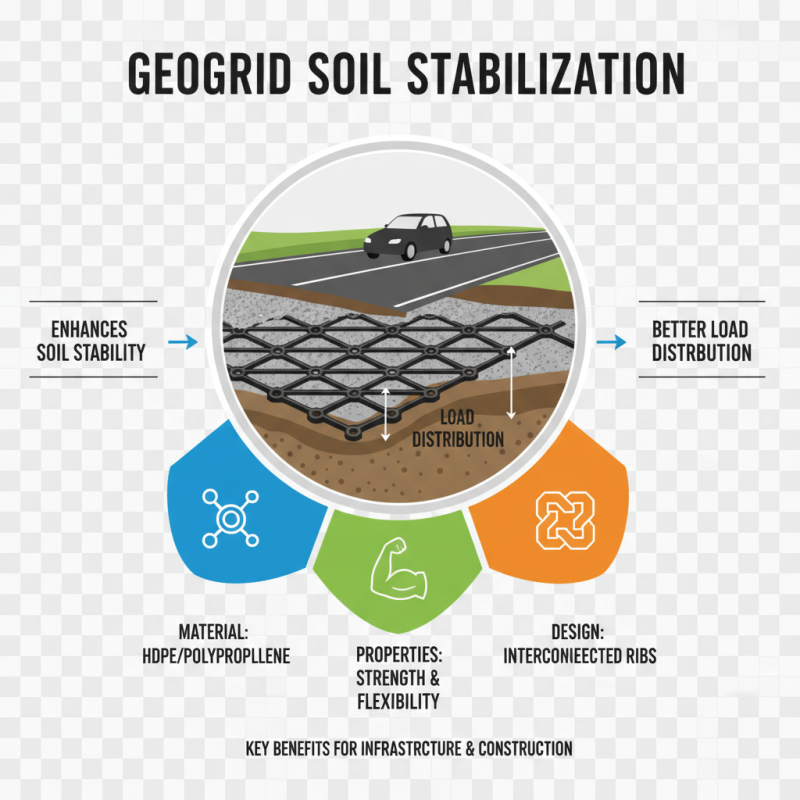
Geogrid ground grids are critical in enhancing soil stability. They are made from various polymers, often high-density polyethylene or polypropylene. This composition gives them strength and flexibility. The structural design typically consists of a series of interconnected ribs. This layout allows for better load distribution across the soil's surface.
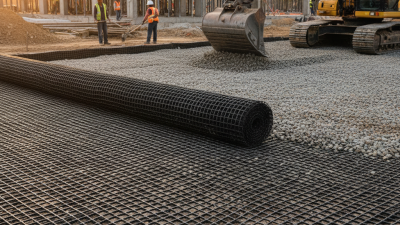
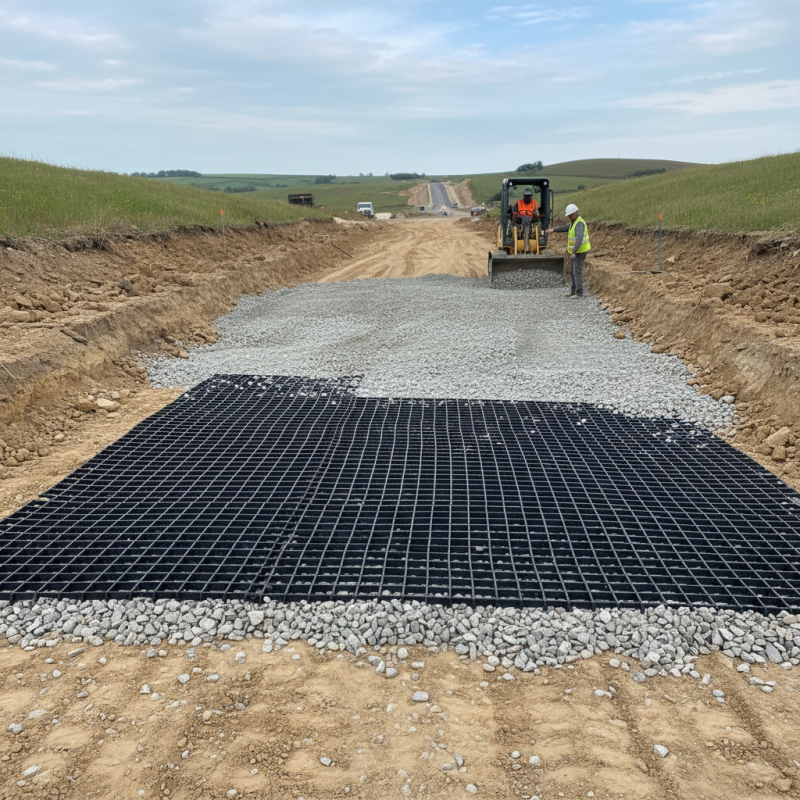
When installed, geogrids create a network that binds the soil particles together. This helps reduce soil lateral movement and increases the load-bearing capacity. Surprisingly, many still overlook the importance of proper installation techniques. Even the best products can fail if not laid correctly. Adequate site preparation is crucial.
Geogrids are effective in a range of applications. They are used for roads, embankments, and retaining walls. Their ability to improve stability is evident during heavy rains or load-bearing scenarios. Nonetheless, factors like soil type, moisture levels, and grid design must be considered. Ignoring these details can lead to less optimal results, requiring further assessment and adjustments.
Mechanisms of Soil Stabilization Through Geogrids
Geogrids are materials used to enhance soil stability. They are often made from polymer materials, arranged in a grid-like pattern. When placed in soil, they create a structure that helps distribute loads evenly, reducing soil deformation. This is crucial for roads, retaining walls, and foundations.
The mechanisms of soil stabilization through geogrids are intriguing. One important aspect is reinforcement. The grid holds the soil grains together, preventing shifts under stress. This can increase the load-bearing capacity significantly. In some cases, though, the effectiveness may vary depending on soil type and installation technique.
Another mechanism is interlock. Geogrids create a mechanical lock with the surrounding soil. This interaction provides added support during heavy rainfall or seismic activity. Yet not all installations yield ideal results. Site conditions, including moisture content and compaction level, play a significant role in effectiveness. Understanding these factors is essential for achieving desired outcomes.
Impact of Geogrid on Soil Stability
This chart illustrates the impact of geogrids on soil stability. The Soil Stability Index shows a significant improvement in stability when geogrids are used, increasing from 50 to 85.
Types of Geogrids and Their Applications in Construction
Geogrids are vital in modern construction. They improve soil stability significantly. Various types exist, each with unique applications. The most common types include uniaxial, biaxial, and triaxial geogrids.
Uniaxial geogrids excel in reinforcement, especially for slopes and retaining walls. According to a report by the Geosynthetic Materials Association, using geogrids can enhance load distribution by up to 30%.
Biaxial geogrids provide support in both vertical and horizontal directions. This feature makes them suitable for road and pavement construction. They prevent lateral movement of soil and reduce the risk of deformation. The Federal Highway Administration estimates that using geogrids in highways can reduce maintenance costs by 20%.
In applications like embankments, triaxial geogrids are effective for soil stabilization, especially in weak soil conditions.
Despite their benefits, geogrids have limitations. They often require proper installation to maximize effectiveness. Misalignment can lead to reduced performance. Proper training for construction crews is essential. Reports indicate that improper installation can diminish the expected lifespan of the geogrid by up to 50%. It's crucial to address these challenges to fully leverage the advantages of geogrids in construction projects.
Benefits of Implementing Geogrids in Civil Engineering Projects
Geogrids are essential in improving soil stability. These polymer-based grids enhance the load distribution across the soil. They create a network that helps hold soil particles together. As a result, the ground becomes more stable and resilient, especially under heavy loads. Implementing geogrids can lead to stronger foundations for roads and buildings.
In civil engineering projects, the benefits extend beyond mere stability. They help reduce soil erosion, particularly in slopes and embankments. The use of geogrids can save costs in materials and labor. However, the effectiveness of geogrids depends on proper installation and soil conditions. If not installed correctly, they may fail to provide necessary support.
Engineers appreciate the adaptability of geogrids in various environments. They can be used on soft, unstable soils and rock formations alike. Yet, we must acknowledge potential challenges, such as design complexities and local regulations. Factors like climate and load types also influence their performance. Optimal results come from careful planning and assessment.
Case Studies Highlighting Successful Use of Geogrids for Soil Stability
Geogrids have emerged as vital tools in improving soil stability across various projects. Case studies reflect their effectiveness. For instance, a project in California highlighted a significant reduction in soil deformation. The use of geogrids improved load distribution, decreasing settlement by up to 30%. This data suggests that geogrids can effectively enhance ground performance under heavy loads.
Another notable case was a highway project in Texas. Here, engineers integrated geogrid systems to reinforce subgrade soil. The result was a remarkable increase in the pavement's lifespan. Reports indicate a projected 20% reduction in maintenance costs over 10 years. While the results are promising, there remains debate about installation practices. Incorrectly placed geogrids may lead to failures, reinforcing the need for proper techniques and training.
Site-specific conditions also play a significant role. In some cases, unexpected soil types led to less effective outcomes than anticipated. Such experiences urge engineers to evaluate local geology and adapt strategies accordingly. The importance of tailored approaches is clear, as blanket solutions may not fit all scenarios. While geogrids show potential, a cautious and educated application is essential for maximizing benefits.