What is Geotextile Drainage Fabric and How Does It Work?
Geotextile Drainage Fabric is revolutionizing the way we manage water and soil. This innovative material aids in preventing erosion while facilitating drainage. Experts like Dr. Emily Carter, a renowned geotechnical engineer, emphasize its importance: "Geotextile Drainage Fabric enhances soil stability and promotes sustainable land use."
This fabric filters water efficiently, allowing soil to maintain its integrity. It can be used in various applications, from roads to landscaping. When properly installed, it helps in promoting drainage while reducing sediment loss. Yet, some challenges exist. It's essential to select the right type of geotextile for specific projects. Failure to do so can lead to increased maintenance costs.
Using Geotextile Drainage Fabric also raises questions. Are we fully aware of its long-term effects on the environment? While many projects benefit, over-reliance might have drawbacks. Continuous evaluation and adjustment are necessary. The future of soil management heavily relies on this fabric, but reflections on its usage are crucial for sustainable practices.
What is Geotextile Drainage Fabric?
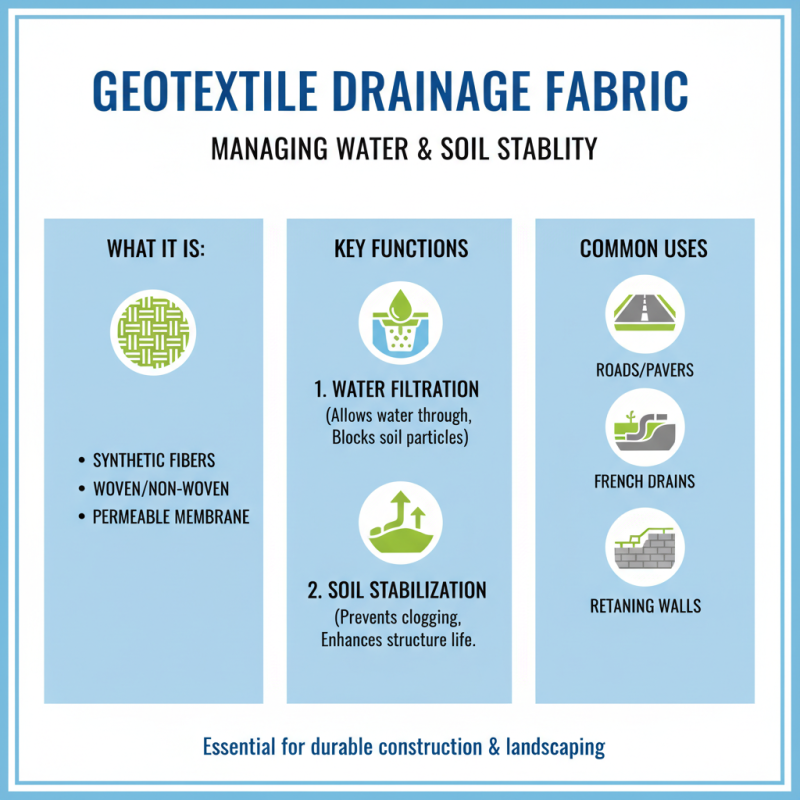
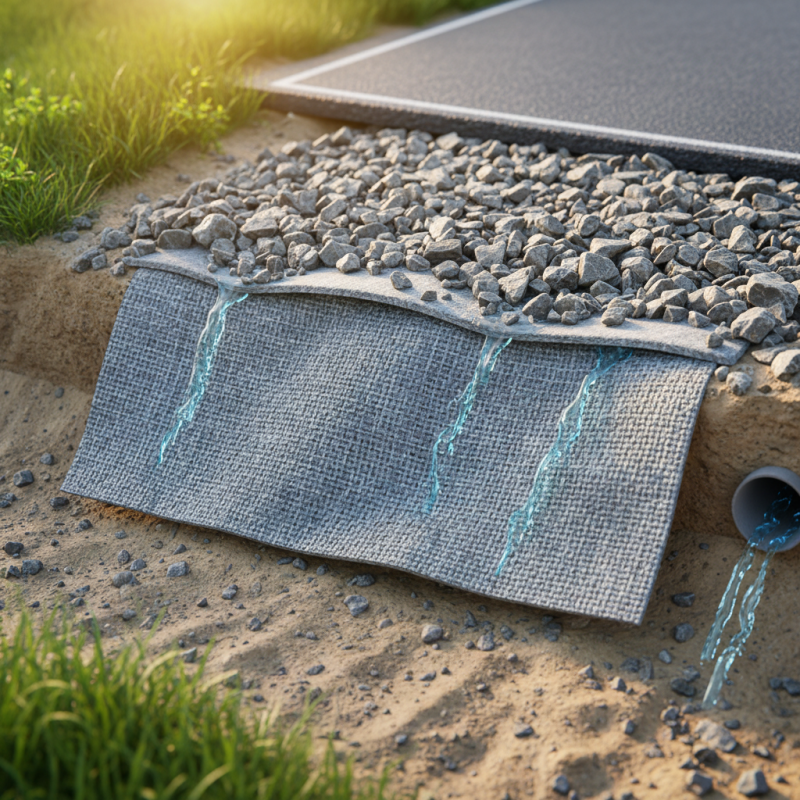
Geotextile drainage fabric is a crucial material in construction and landscaping. It helps manage water flow and enhances soil stability. Typically made of synthetic fibers, this fabric allows water to pass through while filtering out soil particles. This unique feature prevents clogging and promotes drainage, aiding in the longevity of various structures.
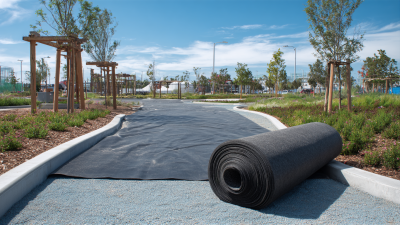
When placed in soil, geotextile drainage fabric creates a barrier against erosion. It supports the soil, preventing washouts during heavy rains. The fabric can be used in various applications, including roadways, retaining walls, and even garden beds. It’s quite simple, yet effective in managing excess water.
However, not all installations are perfect. Misplacement of the fabric can lead to ineffective drainage. In some cases, choosing the wrong type of fabric can worsen drainage issues. Understanding these points is critical for optimal use. Struggling with installation or material choice is a common hurdle. Many projects require a bit of trial and error to achieve the best results. Proper planning and thoughtful application make all the difference.
Types of Geotextile Drainage Fabrics
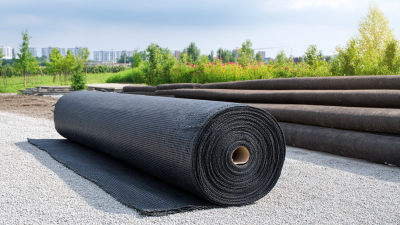
Geotextile drainage fabrics are crucial for effective water management in construction and landscaping. Various types serve different purposes. Non-woven geotextiles are made from fibers that are bonded together, creating a porous fabric. They are ideal for filtration and erosion control. Woven geotextiles, on the other hand, consist of interlaced fibers. They offer great strength and are suitable for load support.
Another type is geocomposite drainage fabric, which combines the benefits of both woven and non-woven types. They often have a core that allows water to drain while filtering soil from entering the drainage system. This is particularly useful in areas with high water tables.
Tips: Always consider local environmental conditions when choosing a fabric type. Ensure the selected geotextile is durable enough for your specific project. Testing it in a small area can reveal potential shortcomings before full implementation. Remember, improper installation can lead to failures, so take your time to prepare the site well.
Geotextile Drainage Fabric Types and Their Applications
Key Functions of Geotextile Drainage Fabrics
Geotextile drainage fabric serves multiple key functions in construction and civil engineering. Primarily, it acts as a filter. It separates soil particles from water, allowing drainage while preventing sedimentation. This filtering function helps maintain the integrity of structures like retaining walls and roadways.
Another significant role is reinforcement. Geotextile fabrics strengthen soil and reduce erosion risks. They help stabilize slopes, ensuring they remain intact over time. Without proper stabilization, soil can shift unpredictably, causing potential failures.
Furthermore, geotextile drainage fabrics assist with water management. They aid in redirecting water flow, preventing pooling or flooding in undesired areas. However, improper installation or maintenance can lead to issues. Eventually, clogged fabrics may lose their effectiveness. Regular inspection is essential to ensure functionality.
How Geotextile Fabrics Facilitate Water Drainage
Geotextile drainage fabric is essential in modern engineering. It allows for efficient water drainage while preventing soil erosion. These fabrics are permeable, letting water pass easily through while retaining soil particles. According to a report by the Geosynthetic Institute, using geotextiles can reduce drainage costs by up to 50%. This data showcases their effectiveness.
In construction projects, geotextile fabrics are applied in various applications. They are commonly used in roadways, retaining walls, and under slabs of concrete. Their role in managing water is crucial. By providing drainage pathways, they direct excess water away from structures. This minimizes potential damage caused by hydrostatic pressure. However, improper installation can render these fabrics ineffective. It's important to ensure they are placed correctly to maximize their benefits.
**Tips:** Always check soil conditions before installation. A poorly prepared site can lead to fabric failure. Regular maintenance is essential, too. Inspect the fabric periodically for any signs of wear or clogging. Addressing these issues early can prevent larger problems down the line. In some cases, the effectiveness of geotextiles is diminished when silt and sediment accumulate. This inconsistency highlights the need for ongoing management in drainage systems.
Applications of Geotextile Drainage Fabrics in Construction and Landscaping
Geotextile drainage fabrics play a crucial role in construction and landscaping. These materials facilitate water movement while filtering soil particles. This ensures stable ground conditions and prevents erosion. A report from the International Journal of Geotechnical Engineering highlights that using geotextiles can reduce drainage costs by up to 40%.
In landscaping, geotextiles help manage stormwater. They separate soil layers, ensuring proper drainage in gardens and green roofs. This allows for healthier plant growth and less maintenance. According to the American Society of Civil Engineers, over 60% of urban flooding issues could be mitigated with effective drainage systems.
Tips: Always consider soil types before installation. Different fabrics suit various conditions. Regular maintenance of the drainage system is essential to prevent clogging. While geotextiles are effective, they might require periodic checks to ensure proper function. For long-term projects, reflect on the materials' lifespan and their environmental impact.