What is Geotextile Drainage Fabric and How is it Used?
Geotextile Drainage Fabric plays a crucial role in modern civil engineering and landscape design. According to a recent industry report by the Geotechnical Fabrics Association, the market for geotextiles is expected to grow by 7% annually. This rise highlights the increasing demand for effective drainage solutions. Dr. Emily Carter, an expert in geotechnical engineering, stated, "Geotextile Drainage Fabric allows for better water management in various applications."
These fabrics are commonly used in road construction, retaining walls, and drainage systems. They prevent soil erosion while facilitating water drainage, which is vital for maintaining structural integrity. The correct application ensures longevity and safety in projects. However, not all applications are perfect. Misapplications can lead to costly failures and setbacks in construction processes.
Despite their benefits, many professionals overlook installation details. Each project requires careful planning and execution. The right type of geotextile needs to be chosen for specific conditions. Inconsistent usage can lead to suboptimal performance, which is a challenge in the industry. With growing awareness, Geotextile Drainage Fabric is becoming indispensable, yet mistakes still occur, emphasizing the need for continuous education and development.
What is Geotextile Drainage Fabric?
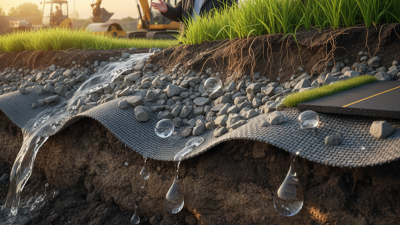
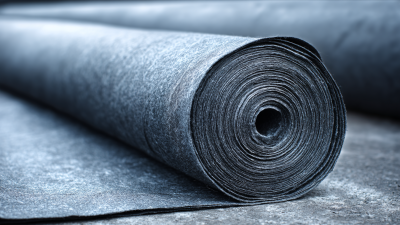
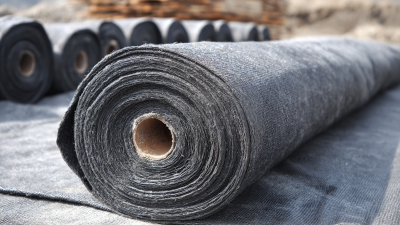
Geotextile drainage fabric is an essential material in civil engineering and landscaping. It is primarily used for soil stabilization and drainage. Made from synthetic fibers, this fabric allows water to flow while preventing soil erosion. The porous nature of geotextile means it can filter out sediments, making it a reliable choice for various applications.
In construction projects, geotextile fabric can be placed under roads or retaining walls. This helps in managing water runoff and maintaining structural integrity. It's also commonly used in gardens to enhance drainage around plants. However, while geotextile is effective, its installation requires attention to detail. Misalignment can lead to water pooling or erosion, defeating its purpose.
Users often overlook the maintenance aspect. Over time, geotextile fabrics can become clogged with dirt and debris. Regular inspection is necessary to ensure optimal performance. Some may assume that laying down fabric is a one-time job, but ongoing care is vital for long-lasting results. The benefits of geotextile drainage fabric are significant, but it demands a commitment to proper use and maintenance.
What is Geotextile Drainage Fabric and How is it Used?
| Property |
Description |
| Material |
Typically made of synthetic fibers or natural materials. |
| Functions |
Used for filtration, drainage, erosion control, and separation. |
| Applications |
Commonly used in road construction, landfill sites, and agricultural applications. |
| Types |
Woven, Non-woven, and knitted fabrics. |
| Benefits |
Enhances water management, reduces soil erosion, provides structural support. |
| Durability |
Resistant to UV rays, chemical degradation, and biological action. |
Types of Geotextile Drainage Fabrics and Their Features
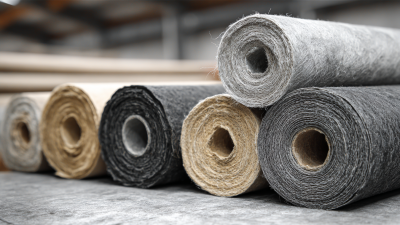
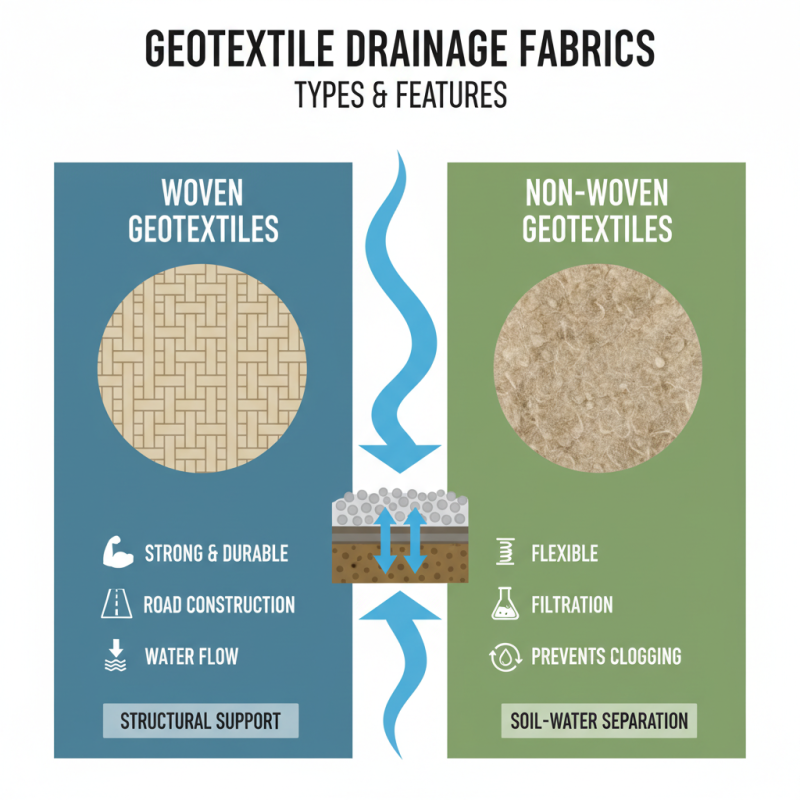
Geotextile drainage fabrics play a critical role in civil engineering projects. These materials help control water flow, prevent erosion, and enhance soil stability. There are two main types: woven and non-woven geotextiles. Woven fabrics are strong and durable, making them ideal for road construction. They effectively allow water to pass while providing structural support. Conversely, non-woven fabrics are more flexible and better suited for filtration applications. They efficiently separate soil particles from water, preventing clogging.
According to industry reports, the global market for geotextiles is projected to reach $12 billion by 2027. This growth underscores the importance of innovative drainage solutions. The choice of fabric significantly impacts project longevity. However, not all applications benefit equally from every type of fabric. Many users notice issues with soil compatibility and drainage efficiency. This highlights the need for thorough site assessments before material selection. A careful evaluation can enhance project outcomes and reduce costs. The complexity of soil properties necessitates a tailored approach for optimal performance.
Applications of Geotextile Drainage Fabric in Construction Projects
Geotextile drainage fabric is a crucial material in construction projects. It plays a significant role in soil stabilization, erosion control, and water management. According to a recent industry report by Research and Markets, the geotextiles market is projected to reach $12 billion by 2025, indicating its growing importance in construction.
In road and highway construction, geotextile fabric prevents soil erosion and provides structural support. It allows water to flow through while retaining soil particles, ensuring road durability. A study by the Federal Highway Administration reveals that using geotextiles can enhance road performance by up to 40%. However, some project managers still overlook its benefits, resulting in unexpected failures.
In landscaping and drainage systems, geotextiles help manage water efficiently. They separate soil layers while allowing water to pass, improving drainage capability. Yet, improper installation can lead to clogs and reduced effectiveness. Recent case studies highlight the need for better training in installation techniques. Inconsistent usage is a reflection of both knowledge gaps and varying project requirements.
Geotextile Drainage Fabric Usage in Construction Projects
Benefits of Using Geotextile Drainage Fabric for Soil Management
Geotextile drainage fabric plays a vital role in soil management. It’s a permeable material used to separate soil layers and facilitate water flow. This fabric helps to control erosion and stabilize the ground. When placed in construction projects, it reduces the risk of waterlogging. As water passes through, it keeps soil in place while allowing excess moisture to drain away.
Using geotextile fabric has several benefits. It improves soil strength and prevents instability. With the right fabric, drainage systems become more effective. This minimizes issues like flooding and water retention. In agricultural settings, it promotes healthy root growth. Farmers notice better crop yields due to enhanced soil aeration. However, not all types work in every environment. Choosing the wrong material can lead to complications.
Moreover, the installation process can be a challenge. If the fabric is not correctly positioned, it might fail. This requires careful planning and attention to detail. Regular inspections are important to ensure it performs as expected. Even small mistakes can lead to significant consequences over time. Proper installation is crucial for maximizing the benefits of geotextile drainage fabric.
Installation Methods for Geotextile Drainage Fabric in the Field
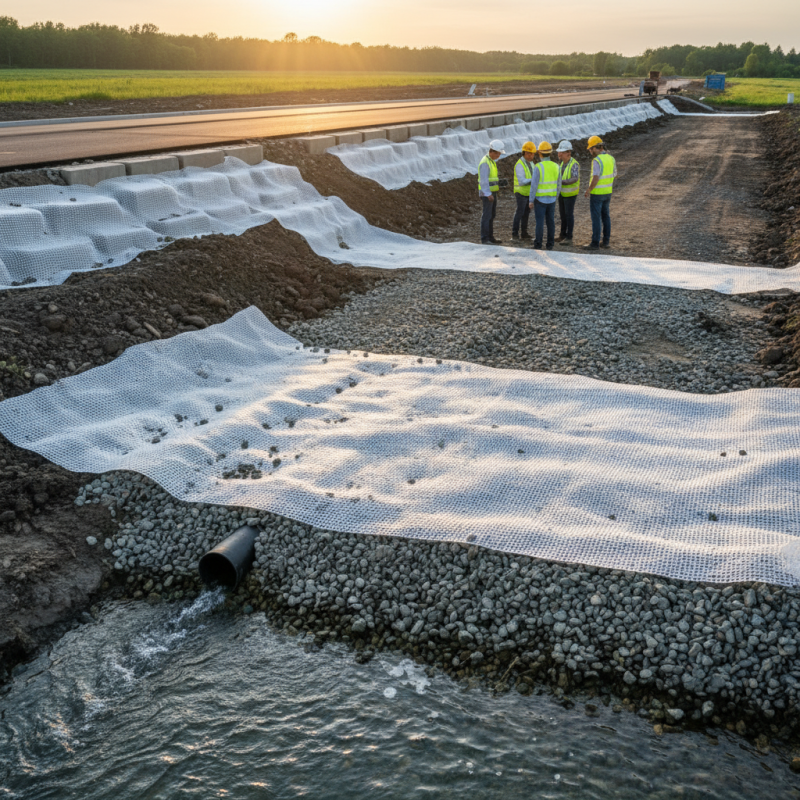
Geotextile drainage fabric is essential for managing soil and water. Installing it properly can significantly affect its effectiveness. The fabric needs to be laid out flat over the designated area. This can be a bit tricky if the ground is uneven. Make sure to smooth out any wrinkles. They can cause water pooling, which defeats the purpose.
Next, secure the fabric in place using stakes or pins. These keep the fabric from shifting during installation. Some may overlook this step, thinking gravity will hold it down. This can lead to problems down the line, especially in heavy rain. In areas with high water flow, additional anchoring methods should be considered.
When stitching seams, ensure they're tight and overlapping. Gaps can allow sediment to pass through, compromising drainage. This is often where mistakes occur. It may be tempting to rush through this part, but patience is key. After installation, check regularly for wear or damage. This will ensure that the system remains effective over time.