Ultimate Guide to Geotextile Fabric for Driveways?
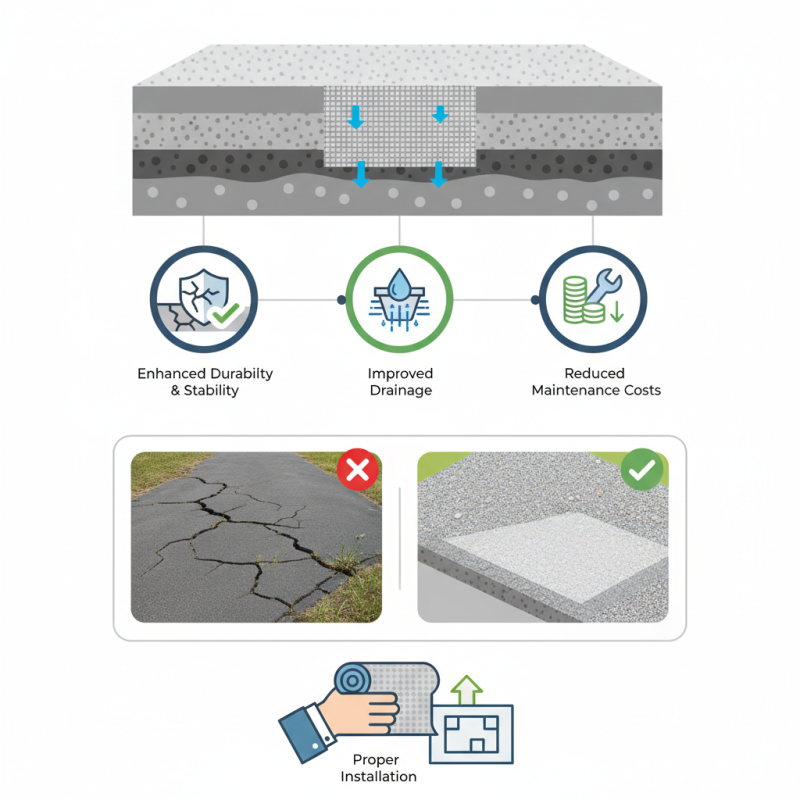
When considering driveway construction, many people overlook the importance of selecting the right materials. Geotextile Fabric for Driveways provides a robust solution for enhancing durability and stability. This unique fabric acts as a barrier, preventing soil movement and allowing for improved drainage. Homeowners often worry about the longevity of their driveways, especially where heavy traffic is expected.
Using Geotextile Fabric for Driveways can significantly reduce maintenance costs. It not only reinforces the driveway structure but also minimizes erosion. However, some might question its effectiveness. The truth is, improper installation can lead to problems. It’s essential to follow best practices to maximize the benefits of this fabric.
Reflecting on past experiences, many have learned the hard way about poor driveway choices. Ignoring the foundation can result in cracks and damage over time. Investing in Geotextile Fabric for Driveways could prevent these issues, making it a wise choice for future-proofing your property. Consider this solution carefully, and think about how it can be applied effectively in your project.
What is Geotextile Fabric and Its Role in Driveway Construction?
Geotextile fabric plays a crucial role in driveway construction. It is a permeable material used to separate, filter, and stabilize soil layers. By laying down geotextiles, you create a solid foundation for your driveway. This fabric helps prevent erosion and enhances drainage. Imagine a rainy day, where water can easily pass through the fabric, preventing puddles. That’s the magic of geotextile.
Using geotextile can improve the longevity of your driveway. It keeps the gravel or soil in place, reducing maintenance needs. However, not everyone is aware of its benefits. Many homeowners overlook this step. They may choose to save costs, thinking it’s unnecessary. This can lead to cracks and uneven surfaces over time.
Choosing the right type of geotextile fabric is essential. Different projects require different characteristics. Some fabrics are more permeable, while others provide extra stability. Recognizing these differences is crucial. Many times, a quick choice may lead to regrets later. Take your time to research. Know the specific needs of your driveway project.
Geotextile Fabric in Driveway Construction
Types of Geotextile Fabrics Suitable for Driveway Applications
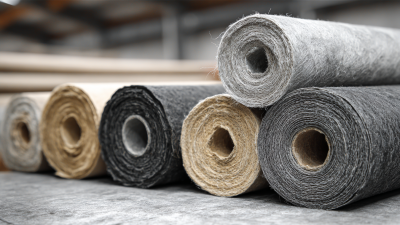
When it comes to driveways, choosing the right geotextile fabric is crucial. Various types exist, each suitable for different needs. Non-woven geotextiles are popular for their drainage capabilities. They allow water to pass through while preventing soil from mixing with the gravel above. This feature can help maintain the driveway’s integrity over time.
Woven geotextiles are another option. They offer excellent tensile strength. This type is ideal for stabilizing the soil beneath the driveway. When installed correctly, woven fabrics can prevent erosion and protect against heavy loads. They often cost more, yet they can be worth the investment in the long run.
Some may overlook the weight of the fabric. Inadequate coverage might lead to unexpected sinking or shifting. It’s essential to choose a thickness that matches the intended use. Consider whether your driveway will support heavy vehicles or just light traffic. Each choice impacts both performance and durability. Balancing cost with effectiveness is a challenge that demands careful thought.
Benefits of Using Geotextile Fabric for Driveways
Geotextile fabric has become a game changer for driveways. This material provides several benefits that enhance both functionality and durability. One of the primary advantages is its ability to prevent soil erosion. It creates a barrier that protects the underlying soil structure, especially in areas prone to heavy rainfall.
Another significant benefit is the improved drainage it offers. The fabric allows water to flow through while filtering out particulate matter. This feature reduces puddles on the surface and minimizes the risk of damage to the driveway. It’s essential to choose the right type of geotextile fabric for your specific needs.
Tips: When installing, ensure the fabric is laid flat and covers the entire area. Overlapping seams can strengthen the installation. Regular inspection can help identify shifts or damage that might occur over time. Addressing these issues promptly can prevent larger problems later.
With all its perks, geotextile fabric isn't a complete, foolproof solution. Poor installation can lead to clogs or rips. Therefore, taking the time to prepare the ground beneath correctly is crucial. This ignition of proper execution can save time and money in the long run.
Installation Guidelines for Geotextile Fabric in Driveways
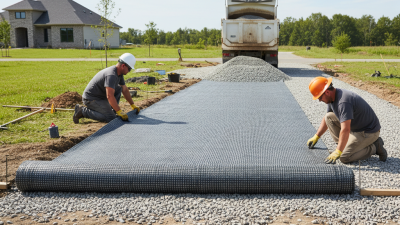
When installing geotextile fabric in driveways, preparation is key. Begin by clearing the area of debris and vegetation. Make sure the ground is level. This step is crucial for preventing future shifting or sinking. A solid base will enhance the effectiveness of the geotextile. The fabric needs to fit snugly without wrinkles or folds.
Next, lay the geotextile fabric down, overlapping the edges by at least 12 inches. This overlap helps prevent soil erosion and ensures stability. It’s essential to anchor the fabric securely. Use landscape staples or heavy stones to keep it in place. This part can often be overlooked, leading to problems later on.
Once the fabric is in position, you can begin adding your driveway material on top. Consider using gravel or crushed stone as they provide excellent drainage. Be cautious about the weight of the material. Too much weight can damage the fabric beneath. Check periodically for any signs of failure or displacement. Regular maintenance can extend the life of your driveway.
Maintenance Tips for Geotextile Fabric Driveways to Ensure Longevity
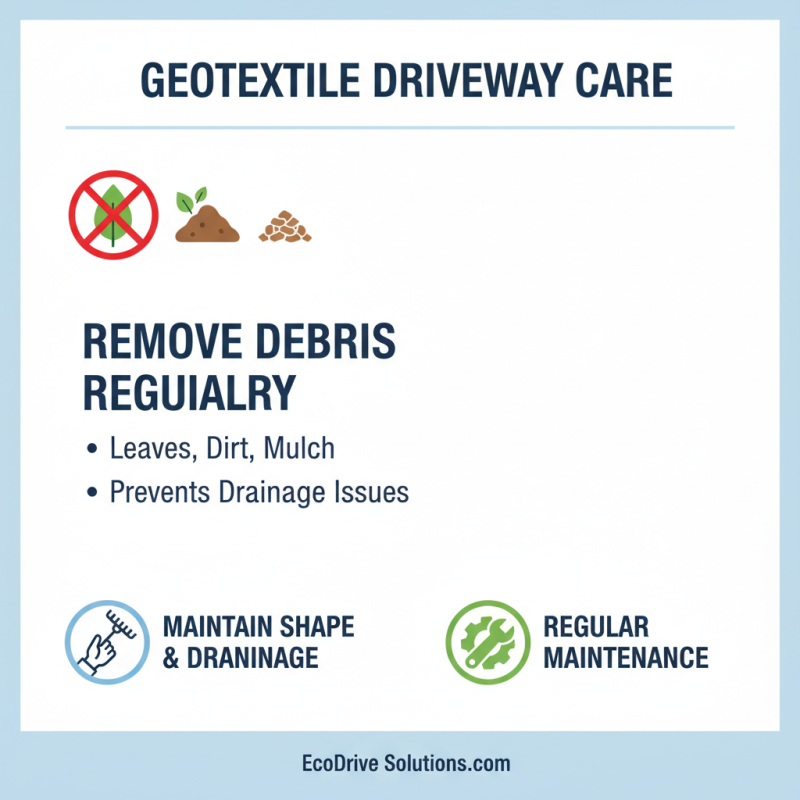
Geotextile fabric driveways can provide great durability and drainage. However, they do require regular maintenance to stay in good shape. One key maintenance tip is to clear debris regularly. Leaves, dirt, and mulch can accumulate, leading to drainage issues. Checking for this often can prevent bigger problems later.
Another important aspect of maintenance is to monitor for weeds. Weeds can infiltrate the fabric over time. A proactive approach includes applying a suitable herbicide. This is crucial, as unattended weeds can undermine the integrity of the driveway.
Rutting can also occur with heavy traffic. Periodically check for uneven surfaces or depressions. If you notice any, a simple refill with gravel can help. Additionally, regularly compacting the surface will enhance its longevity. Taking these steps can ensure that your geotextile driveway remains functional and visually appealing for years.