What is Geotextile Sheet and How is it Used in Construction?
Geotextile sheets play a vital role in modern construction. According to the International Geosynthetics Society, the use of geotextiles has increased by over 25% in the last decade. These synthetic materials enhance stability, control erosion, and improve groundwater flow in various projects.
Geotextile sheets serve multiple functions. They act as separators, filters, and reinforcements in civil engineering. For instance, in road construction, they help distribute loads and prevent soil mixing. Studies indicate that using geotextiles can extend the lifespan of roads by up to 50%. However, not all projects may benefit from their use, leading to debates in the engineering community.
The environmental impact of geotextiles also raises questions. While they provide significant advantages, their production and disposal need scrutiny. There’s ongoing research to develop more sustainable options. Thus, understanding geotextile sheets requires a balanced view of their benefits and challenges.
Definition and Composition of Geotextile Sheets
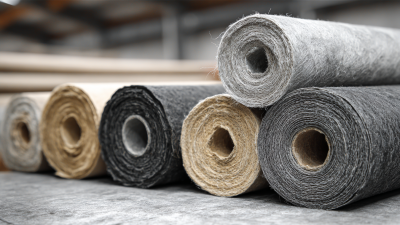
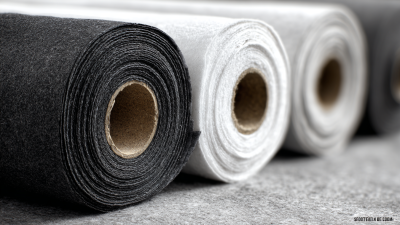
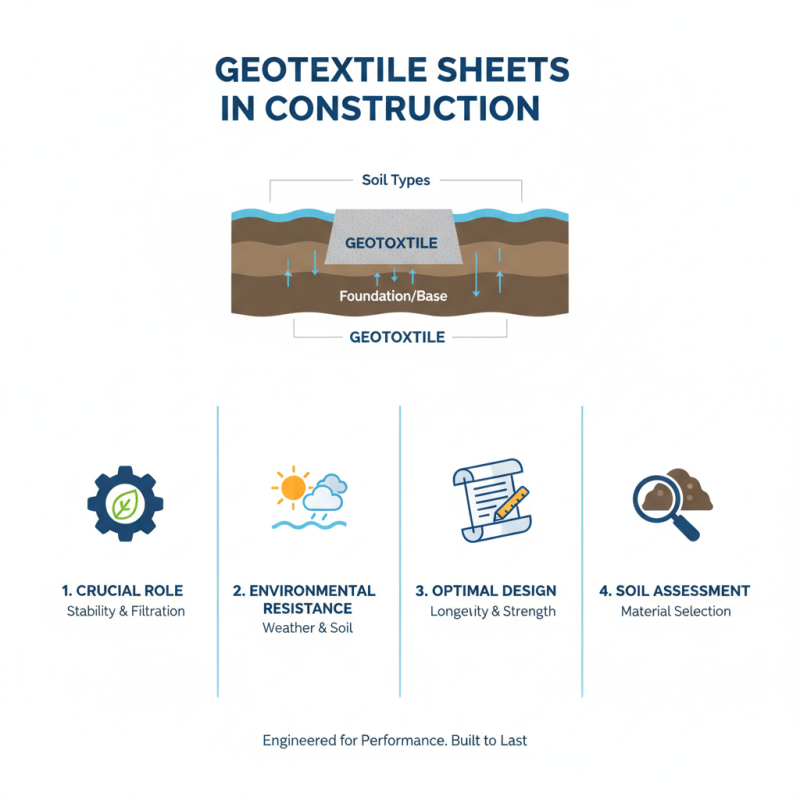
Geotextile sheets are essential materials in construction. They serve various purposes, including stabilization and filtration. Made from synthetic fibers, these sheets can be woven or non-woven. Their composition often includes polypropylene or polyester. The choice of material affects their durability and efficiency.
These sheets work by allowing water to pass through while retaining soil particles. This feature makes them valuable in preventing erosion. Sometimes, they might not perform due to improper installation. Using the wrong type for specific soil conditions can lead to issues. It's crucial to evaluate site requirements before selecting a geotextile sheet.
In many projects, geotextile sheets are layered with gravel or soil. This combination allows for effective drainage. However, forgetting to consider the local environment can compromise their effectiveness. Understanding local climate and soil type is vital. Overlooking these details may lead to underperformance in construction projects.
What is Geotextile Sheet and How is it Used in Construction?
| Dimension |
Description |
Common Uses |
| Material Type |
Polypropylene, Polyethylene, Polyester |
Soil stabilization, Erosion control |
| Thickness |
Available in ranges from 2 to 8 mm |
Road construction, drainage systems |
| Weight |
Typically between 100 to 800 g/m² |
Landfills, retaining structures |
| Functionality |
Filtration, drainage, separation, reinforcement |
Dam construction, slope protection |
| Durability |
Resistant to UV, chemical and biological degradation |
Heavy traffic areas, coastal structures |
Types of Geotextile Sheets Used in Construction
Geotextile sheets are crucial in construction. They are fabric materials used to improve soil stability. Different types serve various purposes in projects. Understanding these types can help in selecting the right one.
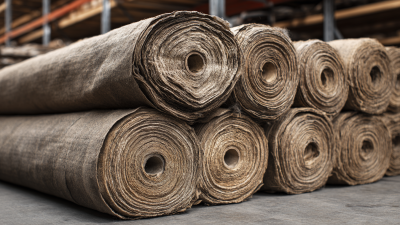
There are two main categories: woven and non-woven geotextiles. Woven geotextiles offer great tensile strength. They are often used for reinforcement and erosion control. Non-woven geotextiles provide excellent drainage. They are perfect for filtration and separation in soil structures.
**Tip:** Always analyze soil conditions before choosing a geotextile. This step can save time and resources. Remember, the wrong choice may lead to project failures. In some cases, fabric durability can be less than expected.
Choosing a suitable type is not always straightforward. Site conditions can influence your decision. Keep in mind that over-reliance on geotextiles can be risky. Balancing their use with other methods is crucial for success.
Types of Geotextile Sheets Used in Construction
Applications of Geotextile Sheets in Civil Engineering Projects
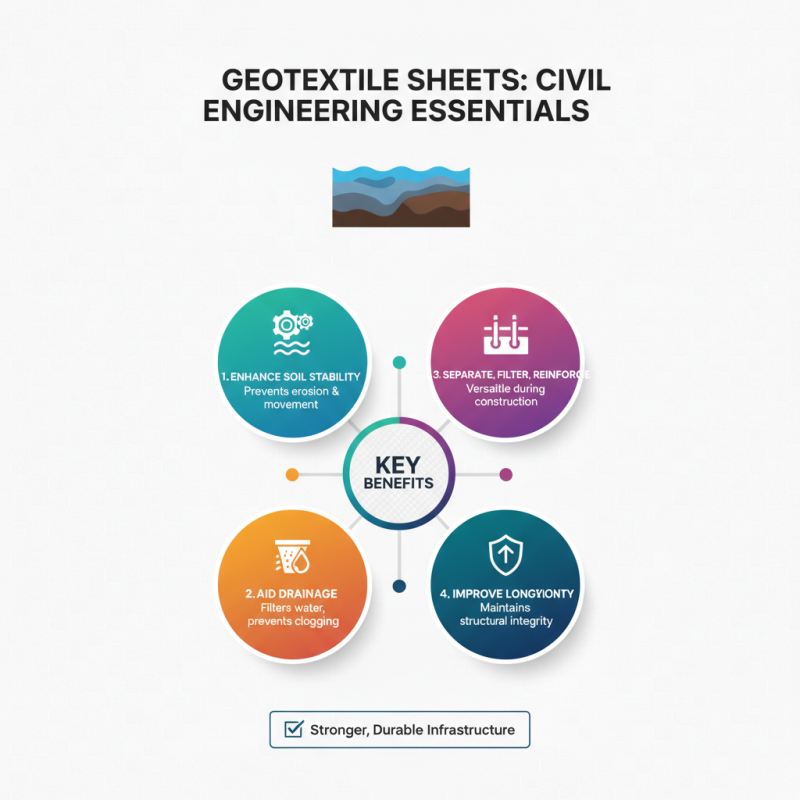
Geotextile sheets are vital in various civil engineering projects. They enhance soil stability and aid in drainage processes. These sheets can separate, filter, or reinforce soil in construction. Their primary advantage is that they improve longevity and maintain structural integrity.
In road construction, geotextile sheets prevent soil erosion. They act as a barrier, keeping the soil in place. This installation helps reduce maintenance costs in the long run. However, improper installation may lead to issues. Ensure proper alignment and tension during placement.
Tips: Always choose the right type of geotextile for your project. Not every sheet suits every application. Consider soil type, project scale, and local conditions. Test small areas before full installation if uncertain about performance. Proper knowledge is key to achieving optimal results.
Benefits and Limitations of Using Geotextile Sheets
Geotextile sheets play a vital role in construction. They provide filtration, drainage, separation, and reinforcement. However, there are both benefits and limitations to consider when utilizing them. According to a recent industry report, about 75% of civil engineering projects now incorporate geotextile materials to enhance soil stability and prevent erosion. This statistic highlights their growing importance in modern construction.
On the benefit side, geotextile sheets improve project durability. They prevent soil movement, thus prolonging the lifespan of structures. These sheets can also reduce the costs associated with traditional drainage systems. Studies indicate that using geotextiles can lower construction costs by up to 40% in certain applications.
Yet, it’s crucial to recognize the limitations as well. Geotextiles may not perform well in all soil conditions. Their effectiveness can diminish in areas with extensive vegetation or high water tables.
Moreover, proper installation is essential. A poorly installed geotextile may lead to failures and increased maintenance costs. Some projects have experienced issues like clogging due to inadequate surface preparation. Thus, while geotextile sheets offer significant advantages, careful consideration of their application is necessary.