Top 5 Geotextile Sheet Benefits for Soil Stabilization and Erosion Control
Geotextile sheets have emerged as a revolutionary solution in the fields of soil stabilization and erosion control. As an essential component in modern civil engineering practices, these materials provide an array of benefits that contribute to the durability and sustainability of various projects. Renowned geotechnical engineer Dr. John Anderson emphasizes the importance of geotextile sheets by stating, "The integration of geotextile sheets in construction not only improves soil stability but also enhances environmental protection, ultimately leading to more resilient infrastructure."
In the pursuit of effective erosion control and soil management, the advantages of geotextile sheets are increasingly recognized by professionals across the industry. With their ability to filter, separate, and reinforce soil, these sheets serve as a practical answer to challenges posed by natural elements. Furthermore, their versatility allows for application in a variety of scenarios,
from road construction to landscaping, showcasing their adaptability to different soil conditions and project requirements. As we delve into the top five benefits of geotextile sheets, it becomes clear that their role in ensuring sustainable soil management is paramount to our environmental and structural integrity.
Understanding Geotextile Sheets and Their Role in Soil Stabilization
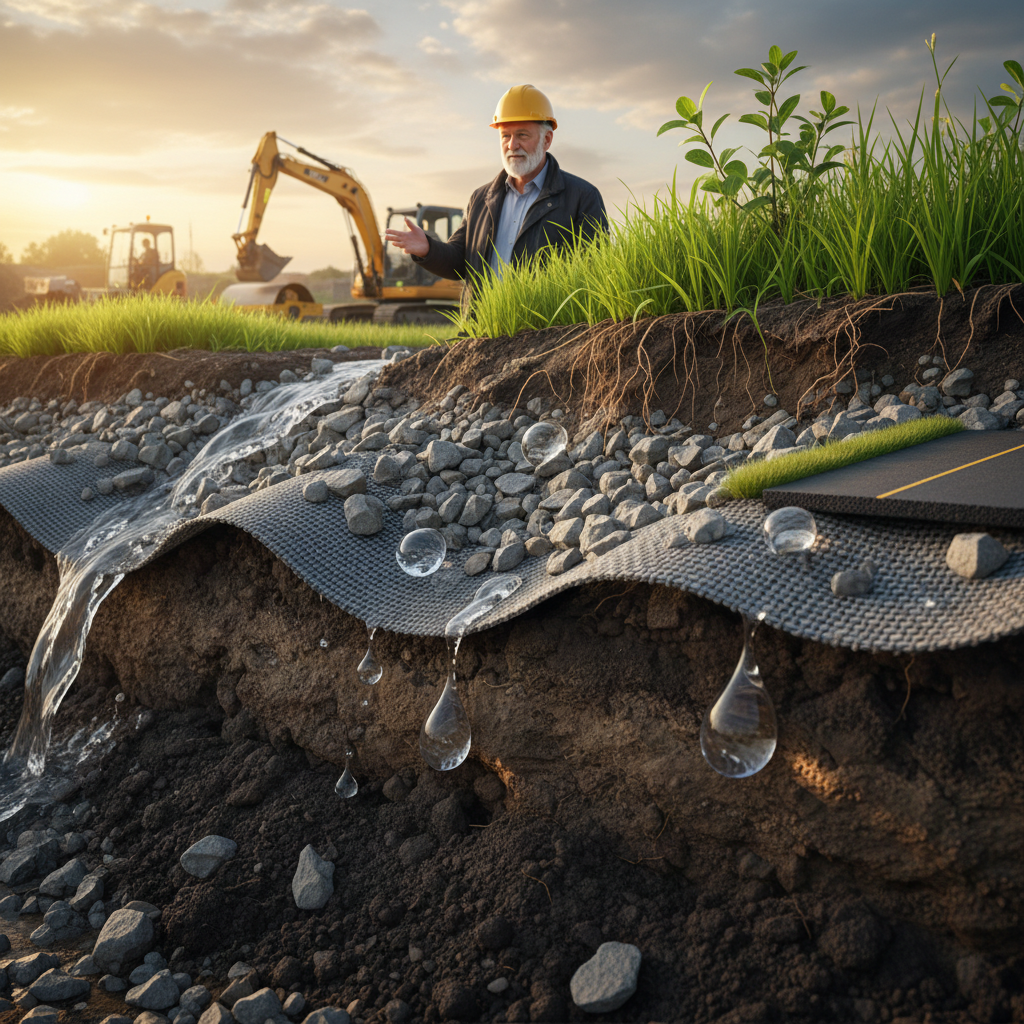
Geotextile sheets are essential materials in engineering and environmental applications, particularly for soil stabilization and erosion control. Fundamentally, geotextiles consist of permeable textile materials that serve various functions, including separation, filtration, reinforcement, and drainage. According to a report by Transparency Market Research, the global geotextiles market was valued at approximately $6 billion in 2020 and is projected to grow significantly by 2027, driven by increasing infrastructure development and the rising need for effective soil management solutions.
The incorporation of geotextile sheets in construction and landscaping significantly minimizes soil erosion while promoting stability. They enhance the mechanical properties of soil, allowing for better load distribution and increased bearing capacity. A study conducted by the American Society of Civil Engineers shows that using geotextiles can reduce erosion rates by up to 90% in certain applications, a crucial factor for sustainable development practices. Furthermore, these products facilitate water drainage, preventing waterlogging and promoting healthy vegetation growth, thereby contributing to better land management. As the demand for environmentally friendly materials rises, geotextiles are increasingly recognized as vital components of effective soil stabilization strategies.
Top 5 Geotextile Sheet Benefits for Soil Stabilization and Erosion Control
| Benefit |
Description |
Impact on Soil Stabilization |
| Erosion Control |
Prevents soil erosion by providing a protective layer. |
Reduces loss of topsoil and maintains soil integrity. |
| Soil Reinforcement |
Adds tensile strength to the soil structure. |
Enhances load-bearing capacity of the soil. |
| Water Filtration |
Allows water to pass through while filtering sediments. |
Prevents clogging and maintains soil moisture balance. |
| Cost-Effective Solution |
Reduces the need for extensive grading and drainage systems. |
Minimizes long-term maintenance costs. |
| Environmental Protection |
Helps maintain native vegetation and ecosystem balance. |
Promotes sustainable land use practices. |
Key Benefits of Using Geotextile Sheets for Erosion Control
Geotextile sheets have become increasingly essential in managing soil stability and erosion issues. One of the primary benefits of using these sheets is their ability to reinforce soil structures, providing additional support where it's most needed. According to the Geosynthetic Research Institute, the use of geotextiles can improve the strength of soil by up to 50%, facilitating better load distribution and reducing the risk of erosion in vulnerable areas. This is especially critical in construction and civil engineering projects where soil integrity is paramount.
Moreover, geotextile sheets play a vital role in filtration and drainage. They allow water to pass while retaining soil particles, which minimizes sediment loss in erodible landscapes. The U.S. EPA reports that effective erosion control techniques can reduce sediment runoff by 80%-90%, significantly mitigating the adverse impacts of erosion on water quality. By utilizing geotextile sheets, engineers and environmental managers can protect natural habitats and maintain ecological balance while ensuring the longevity of infrastructure developments.
How Geotextile Sheets Enhance Soil Strength and Durability
Geotextile sheets are a pivotal component in modern engineering solutions for soil stabilization and erosion control. These innovative materials enhance soil strength by providing a structural framework that distributes loads more evenly across the terrain. When integrated into the ground, geotextile sheets reduce the risk of soil displacement caused by water runoff or mechanical pressure. This stabilization is particularly crucial in areas prone to erosion, where the natural soil structure is often compromised.
Moreover, geotextile sheets improve the durability of soil by preventing the intrusion of water and contaminants that can undermine soil integrity. By creating a barrier, these sheets safeguard the underlying soil layers, allowing them to maintain their strength over time. This added durability not only extends the life of infrastructure projects but also minimizes the frequency and cost of maintenance. As such, the utilization of geotextile sheets proves to be an effective strategy in the fight against erosion and the promotion of robust soil engineering practices.
Cost-Effectiveness of Geotextile Sheets in Civil Engineering Projects
Geotextile sheets are increasingly recognized for their cost-effectiveness in civil engineering projects, specifically in soil stabilization and erosion control. By utilizing these innovative materials, project managers can substantially reduce expenses related to soil management and erosion mitigation. The longevity and durability of geotextiles significantly lower maintenance costs and extend the lifespan of infrastructure, making them a wise investment for any construction endeavor.
Tips: When selecting geotextile sheets, consider the specific requirements of your project, such as soil type and climate conditions. Additionally, collaborating with experienced civil engineers can help optimize the use of these materials for enhancing project efficiency and sustainability.
Furthermore, the global market for geocomposites is projected to grow, driven by the increasing demand for effective and economical solutions in civil engineering. By integrating geocomposites, including geotextile-net and geotextile-membrane combinations, projects can achieve improved drainage and soil retention, thereby providing enhanced performance while maintaining a budget-friendly approach.
Practical Applications of Geotextile Sheets in Various Environments
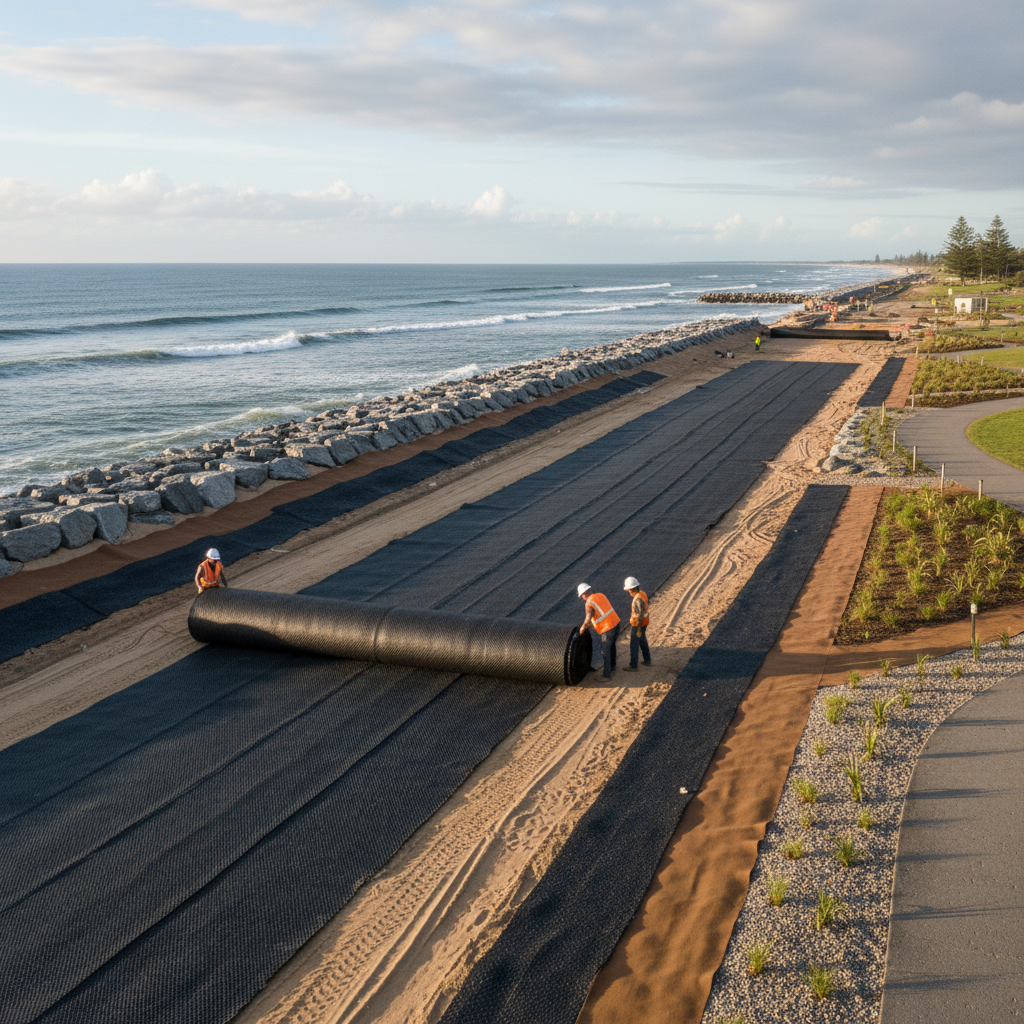
Geotextile sheets play a crucial role in various environments, offering effective solutions for soil stabilization and erosion control. Their application can be observed in diverse settings, such as road construction, landscaping, and coastal management. For instance, in road construction, geotextile sheets provide a physical barrier that prevents the mixing of soil layers, thereby enhancing the load-bearing capacity of the pavement. In coastal regions, these materials help mitigate erosion by stabilizing beach sands and protecting shorelines from wave impact.
Research indicates that the geosynthetic market, which includes geotextiles and geocomposites, is experiencing significant growth, driven by infrastructure upgrades and increased awareness of sustainable construction practices. Notably, combining geotextiles with geogrids and geomembranes leads to innovative solutions for flooding issues, offering cost-effective mitigation strategies in vulnerable areas. For example, using geocomposites in flood-prone regions has shown a reduction in flooding severity, providing vital protection to communities.
Tips: When selecting geotextile sheets, consider factors such as soil type, climate, and specific project requirements. Proper installation is also critical; ensure that the sheets are adequately anchored and overlapped to maximize performance and longevity. Regular inspections can help identify wear and tear, ensuring your investment continues to be effective in controlling soil erosion and enhancing stability.