Top Uses of Geotextile Sheet in Civil Engineering Projects?
Geotextile Sheet plays a crucial role in modern civil engineering projects. Its applications range from erosion control to road construction. This versatile material provides strength and stability to various structures. Its use enhances soil preservation, reducing unwanted sediment movement.
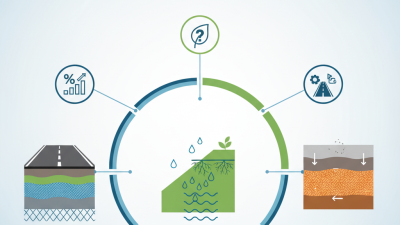
In road infrastructure, Geotextile Sheets stabilize the ground. They facilitate drainage, allowing water to move freely. This prevents flooding and maintains the integrity of roadbeds. However, not all projects effectively utilize this material. Some engineers overlook the importance of proper installation. Improper placement can lead to failures that are costly and time-consuming to repair.
Additionally, Geotextile Sheets support landscaping and environmental protection. They trap soil and prevent erosion, especially in hilly areas. Yet, the environmental impact of their production raises concerns. As we explore these applications, it’s important to evaluate both the benefits and limitations of Geotextile Sheets. Understanding their role can lead to better engineering practices and sustainable solutions.
Top Uses of Geotextile Sheet in Civil Engineering Projects
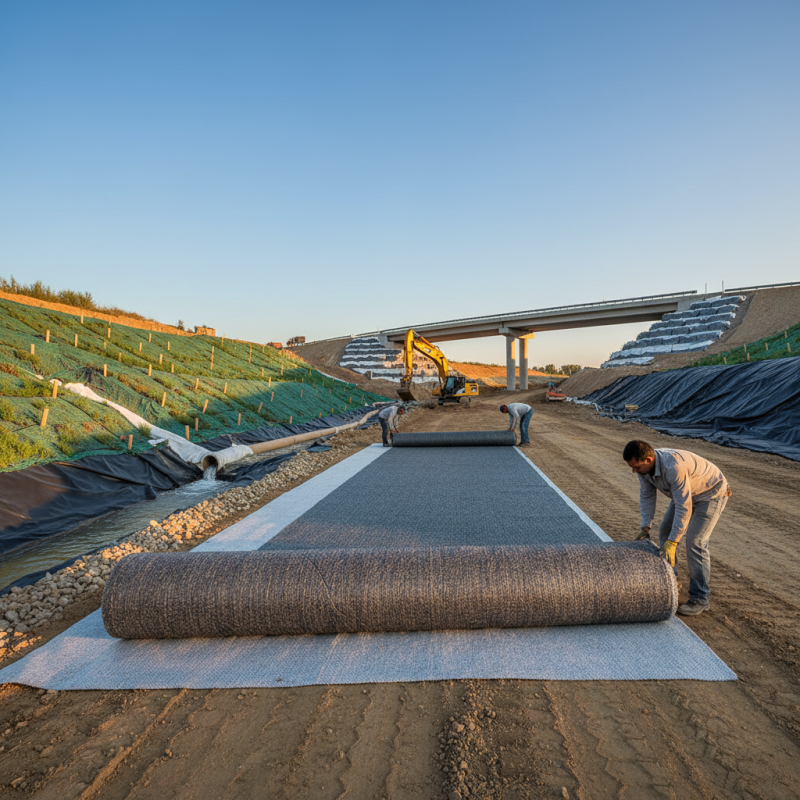
Geotextile sheets are essential in civil engineering. They serve various critical functions that enhance project efficiency. One major use is soil stabilization. When layered under roads or embankments, they prevent soil erosion. This helps in maintaining structural integrity. The sheets absorb excess water, which supports the foundation.
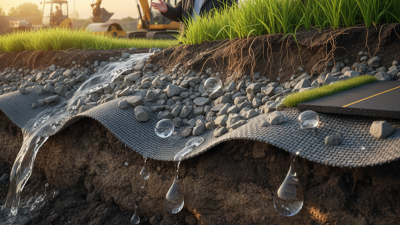
Another significant advantage is in drainage systems. Geotextile sheets facilitate water movement. They allow water to flow while retaining soil particles. This prevents clogging in drainage systems, ensuring longevity. It is often used in retaining walls and landfills. Yet, some projects may overlook proper installation. This can lead to ineffective drainage and increased maintenance costs. Attention to detail is vital for achieving desired results.
Moreover, geotextile sheets help in landscaping. Using them in garden beds reduces weeds. They improve soil aeration, promoting healthy plant growth. However, some engineers struggle with selecting the right material. There are different types available, and confusion can arise. Evaluating project needs before selection is crucial. Proper planning can prevent failures down the line.
Geotextile Sheets: Definition and Composition in Civil Engineering
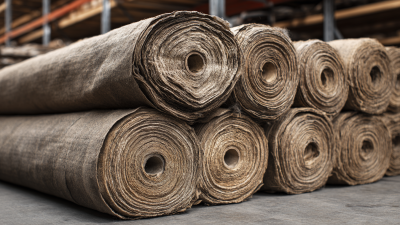
Geotextile sheets are fundamental in civil engineering. They are permeable fabrics that separate, filter, reinforce, and protect soil. These sheets play a crucial role in various projects.
Typically made from synthetic fibers, geotextiles come in two main types: woven and non-woven. Woven geotextiles are stronger and provide structural support. Non-woven types are good for drainage. They’re often used in road construction and landfills. The choice of material affects performance in specific applications.
While geotextile sheets offer many advantages, they are not without challenges. Installation mistakes can compromise effectiveness. For example, improper placement may lead to drainage issues. Engineers must pay attention to soil types and local conditions for optimum results. There is always room for improvement in application methods and material usage.
Top Uses of Geotextile Sheet in Civil Engineering Projects
Soil Stabilization Techniques Utilizing Geotextile Sheets
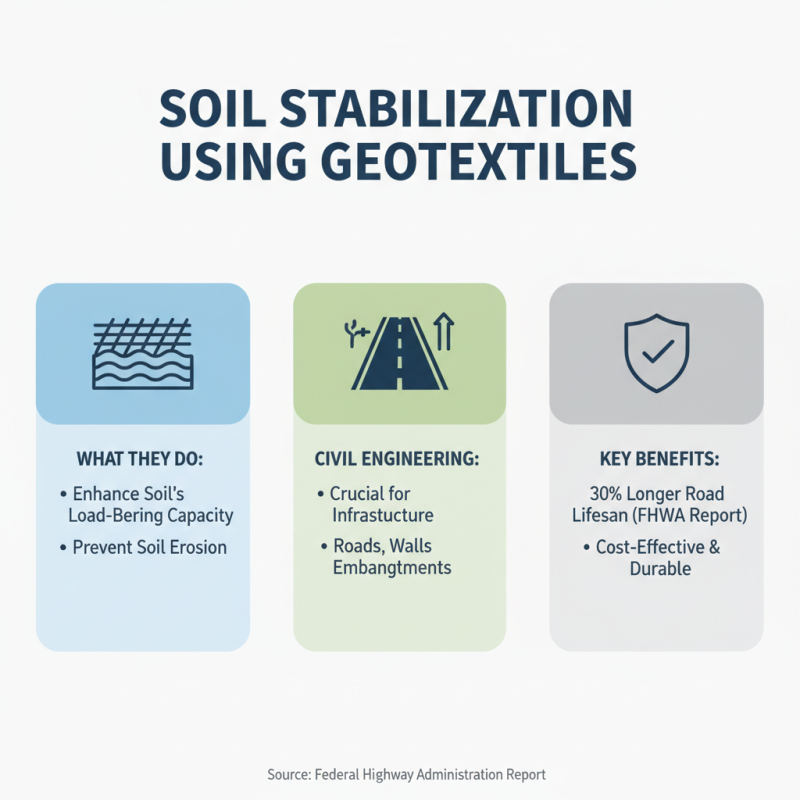
Soil stabilization is a critical component in civil engineering. Geotextile sheets have become popular for this purpose. They enhance soil's load-bearing capacity. According to a recent report by the Federal Highway Administration, using geotextiles can improve the longevity of roads by 30%. This is significant for many projects.
Geotextile sheets can help prevent soil erosion. They act as a barrier, keeping soil in place. In projects near bodies of water, this is essential. The National Academies of Sciences found that geotextiles reduced erosion by nearly 50% in certain areas. These sheets can be used in slopes, embankments, and retaining walls. Their versatility makes them valuable.
However, there are challenges. Not all geotextiles are created equal. Engineers must choose the right type for each project. There's a risk of improper installation, which can lead to failure. This can be costly and time-consuming. Additionally, environmental concerns around synthetic materials need addressing. Some projects may face scrutiny for using non-biodegradable options. Balancing performance and sustainability remains a key issue.
Drainage Improvement with Geotextile Applications
Geotextiles play a crucial role in drainage improvements within civil engineering projects. These permeable fabrics allow water to flow through while providing stability to soil structures. According to a report by the International Geosynthetics Society, the use of geotextiles can reduce erosion by over 50% in various applications. This reduction is significant for maintaining soil health and ensuring effective water management.
In many drainage systems, geotextiles act as filters, preventing the passage of fine particles while allowing water to circulate freely. For instance, in a typical drainage improvement project, implementing a geotextile layer can enhance water quality by trapping pollutants. This can lead to decreased sedimentation in local water bodies. However, the effectiveness of geotextiles can vary based on environmental conditions. Areas with extreme weather may see reduced efficiency. It's essential to evaluate local conditions before project implementation.
Despite their benefits, challenges exist. Improper installation can lead to premature failure. In some cases, geotextiles may become clogged, losing their drainage capabilities. Regular monitoring and maintenance are critical to ensuring that the systems function as intended. Making informed choices about materials and installation practices can help mitigate these concerns.
Erosion Control Solutions through Geotextile Sheet Implementation
Erosion poses a significant threat to civil engineering projects. It can undermine structures and lead to costly repairs. Geotextile sheets are increasingly used to combat erosion in various environments. Their versatility and effectiveness make them a popular choice among engineers.
When implemented correctly, geotextile sheets can filter water. They help retain soil while allowing drainage. This balance is crucial for preserving land integrity. However, improper installation can reduce their effectiveness. For instance, if not anchored properly, the sheets might displace. This oversight can worsen erosion instead of controlling it.
Another consideration is the environmental impact. While geotextiles provide solutions, they shouldn't be a substitute for natural methods. Preservation of vegetation is vital. Combining geotextiles with plant growth can enhance erosion control. This method, however, demands careful planning and monitoring. Mistakes in selection can lead to project failures. Thus, ongoing assessment and adjustment are essential in geotextile implementation.
Conclusion
Geotextile sheets are innovative materials widely utilized in civil engineering projects for their versatile applications. These sheets, defined by their unique composition and structure, play a critical role in soil stabilization techniques, ensuring enhanced ground support and durability. By effectively managing water flow, geotextile sheets significantly improve drainage systems, mitigating potential flooding and water erosion issues.
Additionally, their implementation in erosion control solutions proves vital in protecting landscapes and preserving soil integrity. Furthermore, geotextile sheets provide essential reinforcement for pavements and subgrades, enhancing the longevity and performance of roadways. Overall, the diverse uses of geotextile sheets in civil engineering underscore their importance in promoting sustainable and resilient infrastructure development.