Top 5 Tips for Choosing Fibre Geotextile for Your Projects
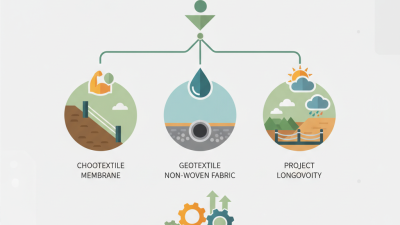
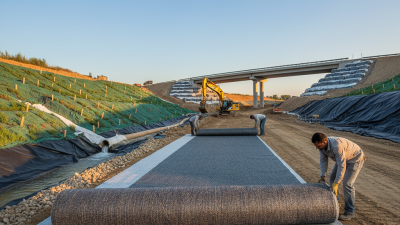
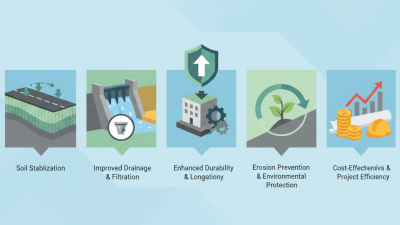
When selecting materials for civil engineering and construction projects, the choice of Fibre Geotextile is crucial. These products serve multiple purposes, such as soil stabilization, drainage, and erosion control. Understanding the right Fibre Geotextile for your specific application can significantly impact the project's success and durability.
Fibre Geotextiles come in various types, each having unique properties and benefits. Some are lightweight and designed for temporary use, while others are more robust, capable of withstanding heavy loads. This versatility can make decision-making overwhelming. Each project has specific needs, and an improper choice may lead to project failures or increased costs. Therefore, knowledge about Fibre Geotextile types and their applications is essential for your project’s longevity.
While guidelines exist, individual project requirements may vary. It is important to consider environmental factors and project objectives. You might find yourself reflecting on previous choices and outcomes. The ultimate goal is to make informed decisions that enhance performance and reliability while maximizing the benefits of using Fibre Geotextile in your work.
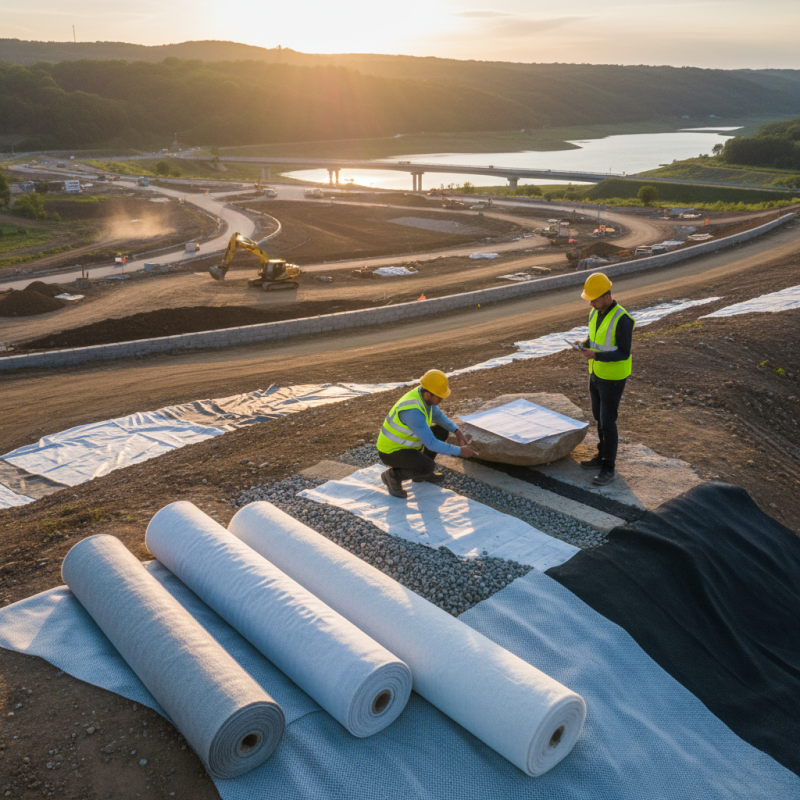
Understanding the Role of Fibre Geotextile in Construction Projects
Fibre geotextiles play a crucial role in construction projects. They enhance soil stability, prevent erosion, and improve drainage. Understanding these properties is essential for effective project planning. When choosing a fibre geotextile, consider the environment where it will be installed. Factors like soil type and moisture levels can influence the material's performance.
One key tip is to assess your project needs. Different projects may require varying levels of strength and permeability. Always look for geotextiles that meet specific engineering requirements.
Another tip is to evaluate the installation process. Complex installations can lead to challenges and increased costs. Simplicity often leads to better results.
Lastly, ensure the longevity of the material. Look for geotextiles that are UV resistant and durable against environmental stressors. Failure to choose the right product may result in project setbacks. Sustainability should also play a role in your decision. Opting for eco-friendly materials can have long-term benefits for both the project and the environment.
Evaluating Project Requirements for Fibre Geotextile Selection
When selecting fibre geotextiles, understanding project requirements is crucial.
Different projects may demand varying properties. Are you focusing on filtration, reinforcement, or separation? Identifying the primary function is the first step in your decision-making. Take time to assess soil conditions and environmental factors. These details will significantly influence your choice.
Consider the installation method as well. Some geotextiles may perform poorly in specific applications. You might encounter challenges if the material is not suited for wet or unstable conditions. It's vital to consult with industry experts or engineers who have hands-on experience. They can provide insights into appropriate material selection based on past projects.
Don’t underestimate the importance of local regulations. These can affect the type of materials allowed in construction projects. Misjudging these requirements could lead to costly delays. Reflect on your past experiences and learn from mistakes. Engaging with professionals can enhance your understanding and improve your project's outcome.
Key Properties to Consider When Choosing Fibre Geotextile
When selecting fibre geotextiles, several key properties must guide your decision.
The strength of the material is crucial. Higher tensile strength often translates to better durability in varying soil conditions. Look for specifications that detail these strengths,
as this directly impacts performance.
Permeability is another vital property. The ability of geotextiles to allow water flow affects drainage systems.
If the permeability is too low, you may face water pooling issues. Testing samples in situ can provide insights into how different fibres perform under pressure.
Consider the temperature range in which the geotextile will operate. Some materials may degrade more quickly under extreme conditions.
When evaluating samples, seeking insights from practitioners who have implemented similar solutions can benefit your approach.
It’s essential to acknowledge that every project has unique requirements, and there’s no one-size-fits-all solution in fibre geotextiles.
Make informed decisions, but be prepared to adjust based on real-world findings.
Comparing Different Types of Fibre Geotextiles for Specific Applications
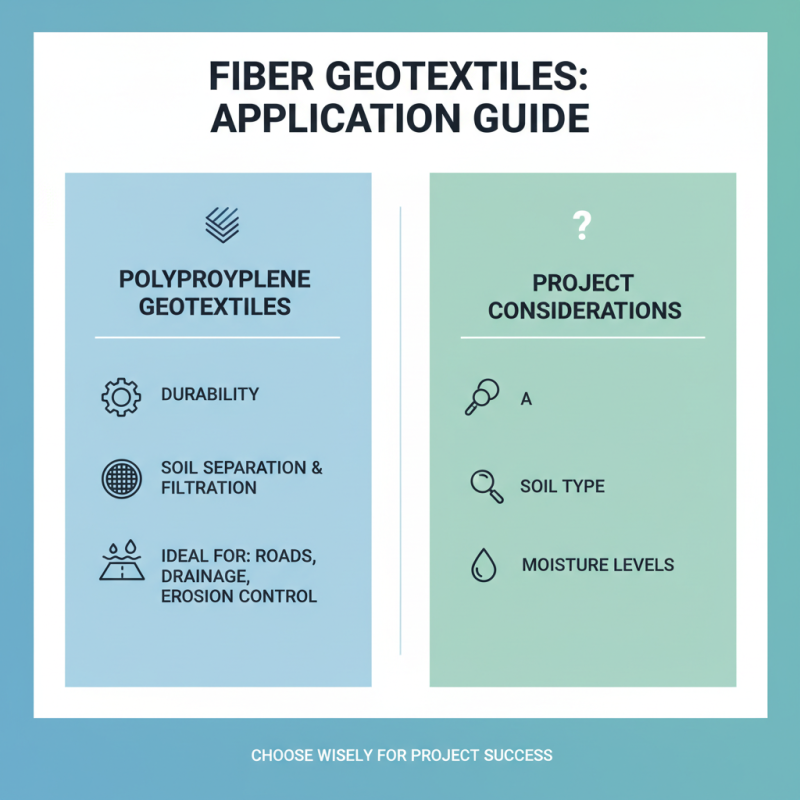
When selecting fibre geotextiles for your projects, understanding the specific applications of different types is crucial. Polypropylene geotextiles are popular for their durability. They excel in soil separation and filtration. This makes them ideal for roads, drainage systems, and erosion control. The choice depends on project conditions, such as soil type and moisture levels.
On the other hand, polyester geotextiles have unique qualities. They offer improved tensile strength and dimensional stability. Use them in applications that experience high stress or extreme weather. Additionally, natural fibre geotextiles provide an eco-friendly alternative. They biodegrade over time, which can be beneficial in temporary projects. However, they might not last as long under harsh conditions.
Understanding these differences is vital. Not all geotextiles will perform equally in every scenario. Experimenting with different types is often necessary. Seeing how they react in real projects will guide better choices in the future. Consider the long-term implications of your selection.
Sourcing and Supplier Considerations for Fibre Geotextile Acquisition
When sourcing fibre geotextiles, start by assessing the supplier's expertise. Look for manufacturers with a proven track record in the industry. A supplier with significant experience can provide valuable insights into material selection and application. Ask for references or case studies to verify their reputation. Conversations with previous clients can reveal much about product performance and service reliability.
Consider the range of products offered by suppliers. A diverse inventory indicates a strong understanding of various project needs. This flexibility allows you to select fibres tailored to your specific requirements, such as drainage, filtration, or stabilization. Beware of suppliers who push limited options; they might not address your unique challenges adequately. Engage with multiple sources to compare not just products but also advice and support levels.
Also, think about logistics and delivery times. Some suppliers may offer lower prices but have longer lead times. This delay can impact project schedules. Evaluate if the supplier can meet your timeline without sacrificing quality. While looking for the right supplier, be prepared to endure a few hiccups along the way. Changing suppliers mid-project can lead to complications. Being open-minded and adaptable can help find a stable solution that suits your goals.