Top 10 Best HDPE Plastic Sheets for Your Projects?
In recent years, the demand for HDPE plastic sheets has surged due to their versatility and durability. A report from Smithers states that the global market for plastic sheets is projected to grow at a compound annual growth rate (CAGR) of 4.2% over the next five years. This growth is driven by industries such as construction, packaging, and transportation, where HDPE plastic sheets are favored for their strength and lightweight characteristics.
HDPE plastic sheets are known for their resistance to moisture and chemicals. They perform well in various environments, making them suitable for both indoor and outdoor projects. However, quality can vary significantly among manufacturers. It's crucial to choose products backed by solid industry reviews and certifications. Not all HDPE sheets are created equal; some may warp or degrade under specific conditions.
Selecting the best HDPE plastic sheet requires careful consideration. Not only does the thickness matter, but also the sheet's intended use. Are you using it for signage, containment, or structural applications? A comprehensive understanding of your project's requirements can help you avoid costly mistakes. Proper research and evaluation will lead to informed choices and successful outcomes.
Understanding HDPE Plastic Sheets: Properties and Benefits
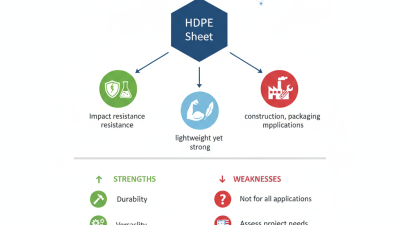
High-density polyethylene (HDPE) plastic sheets are known for their versatility. They are widely used in various projects due to their remarkable properties. HDPE boasts excellent chemical resistance, making it an ideal choice for outdoor applications. The material can withstand temperature fluctuations and exposure to moisture without degrading. According to the Plastics Industry Association, HDPE is among the most recycled plastics, with a recycling rate of over 30%.
In addition to durability, HDPE sheets are lightweight. This makes handling and installation much easier compared to heavier materials like wood or metal. A key feature is their impact resistance; they do not shatter upon impact, reducing the risk of accidents. Furthermore, the smooth surface of HDPE makes it easy to clean, an essential factor in sanitary environments like food processing. However, it is crucial to consider environmental impacts. While HDPE is recyclable, the production process consumes energy and resources.
Another benefit is the cost-effectiveness of HDPE sheets. They are often less expensive than alternative materials. The longevity of HDPE contributes to reduced replacement costs over time. Nevertheless, users should reflect on the potential limitations of HDPE as well. For instance, while it resists UV radiation, prolonged exposure may still cause some color fading. Understanding these properties can help make informed choices while planning your projects.
Top 10 Best HDPE Plastic Sheets for Your Projects
This chart presents the ratings of HDPE Plastic Sheets based on essential properties for project considerations. The properties evaluated include thickness, UV resistance, chemical resistance, temperature resistance, and impact resistance, each rated on a scale from 1 to 10.
Key Considerations When Choosing HDPE Plastic Sheets for Projects
When selecting HDPE plastic sheets for your projects, several key factors play a crucial role.
Density and thickness are critical considerations.
The density of HDPE typically ranges from 0.93 to 0.97 g/cm³, affecting strength and flexibility.
Thicker sheets offer enhanced durability, making them suitable for high-impact applications.
A report from the Plastics Industry Association indicates that 70% of manufacturers prefer sheets with a thickness of at least 0.20 inches for structural projects.
Chemical resistance is another vital factor.
HDPE resists many acids and bases, making it ideal for various environments.
A study published in the Journal of Plastic Materials highlights that HDPE can withstand exposure to numerous solvents without significant degradation.
This characteristic is essential in labs and industrial settings where chemical exposure is common.
However, not all HDPE sheets provide the same level of resistance, which may lead to costly mistakes if improperly chosen.
Additionally, surface finish and processing capabilities cannot be overlooked.
Smooth surfaces facilitate easier cleaning and maintenance. However, rough textures can enhance adhesion in specific applications.
Poor choices in surface finishes may lead to complications in project implementation. Regular reviews and testing of the chosen materials are necessary to ensure optimal performance.
Top 10 HDPE Plastic Sheets: Features and Specifications
When considering HDPE plastic sheets for your projects, understanding their features and specifications is crucial. HDPE, or high-density polyethylene, is known for its durability and resistance to impact. These sheets are often used in various applications, including construction, signage, and packaging. Their smooth surface allows for easy cleaning and maintenance.
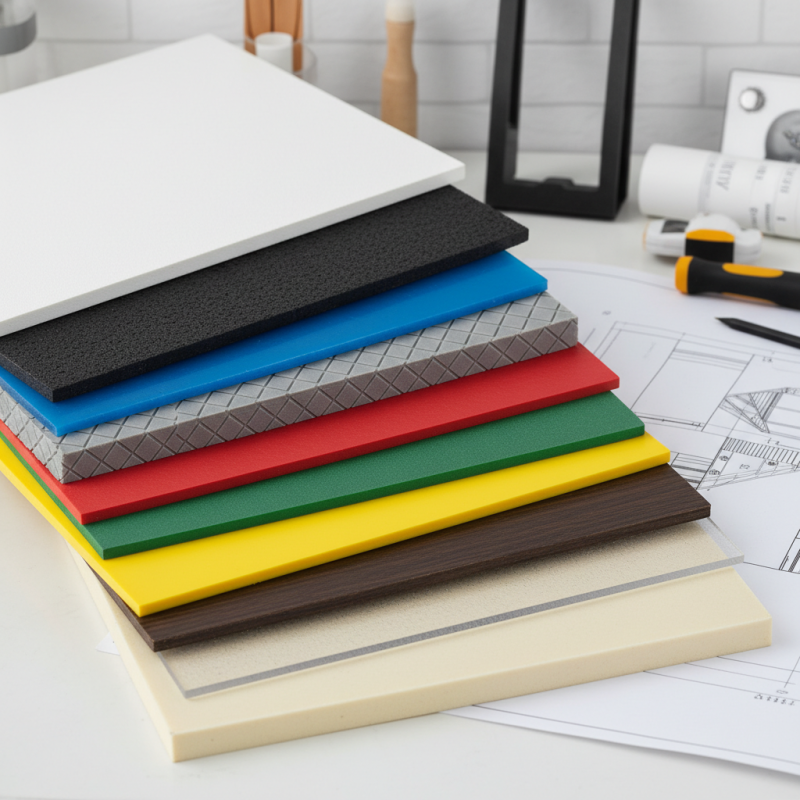
Thickness is a key specification. HDPE sheets come in various thicknesses, typically ranging from 0.5 mm to 12 mm. Thicker sheets provide enhanced structural strength and durability, ideal for heavy-duty applications. Color options are also essential. HDPE sheets are available in multiple colors, allowing for better aesthetic appeal or functionality, such as UV resistance.
When selecting HDPE sheets, consider the environment. Some sheets perform better in high temperatures, while others excel in cold conditions. This adaptability makes them suitable for both indoor and outdoor use.
Tips: Always check the manufacturer’s guidelines for specific applications. Testing a small sample is also wise to ensure it meets your needs. Understanding your project's requirements can prevent mistakes and save time. Ensure proper handling, as damaged edges can compromise functionality.
Applications of HDPE Plastic Sheets in Various Industries
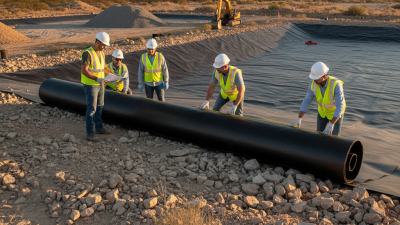
HDPE plastic sheets are versatile materials used across various industries. They are known for their durability and resistance to impact. In construction, HDPE sheets serve as protective barriers against moisture and corrosion. They are often used in building foundations, drainage systems, and retaining walls.
In the food industry, HDPE is crucial for packaging. Its non-toxic nature makes it a safe choice for food contact applications. Grocery stores rely on HDPE sheets for cutting boards and display surfaces. These sheets can be easily cleaned and sanitized, ensuring food safety.
Tips: When working with HDPE sheets, consider the thickness required for your project. Thicker sheets offer more durability but can be harder to cut. Additionally, always check for compatibility with other materials in your application.
In transportation, HDPE can be found in truck liners and pallets. Its lightweight properties help optimize fuel efficiency. Manufacturers prefer HDPE for its recyclability, aligning with sustainable practices. This material’s adaptability means it can be molded into various shapes, enhancing its utility.
Top 10 Best HDPE Plastic Sheets for Your Projects
| Sheet Type |
Thickness (mm) |
Color |
Size (mm) |
Application |
| Standard HDPE |
3 |
Black |
1200 x 2400 |
General Purpose |
| Colored HDPE |
5 |
Blue |
1000 x 2000 |
Signage |
| UV-Stabilized HDPE |
4 |
White |
1220 x 2440 |
Outdoor Furniture |
| Textured HDPE |
6 |
Grey |
1500 x 3000 |
Decking |
| High Impact HDPE |
8 |
Natural |
2000 x 3000 |
Industrial Use |
| HDPE Sheets for Water Treatment |
10 |
Blue |
2500 x 5000 |
Environmental |
| Sheet Piling HDPE |
12 |
Green |
3000 x 6000 |
Engineering |
| Smooth HDPE |
7 |
Black |
1250 x 2500 |
Food Processing |
| Acid Resistant HDPE |
9 |
White |
2000 x 4000 |
Chemical Plants |
| Recyclable HDPE |
4 |
Black |
1500 x 3000 |
Sustainable Projects |
Tips for Working with HDPE Plastic Sheets in Your Projects
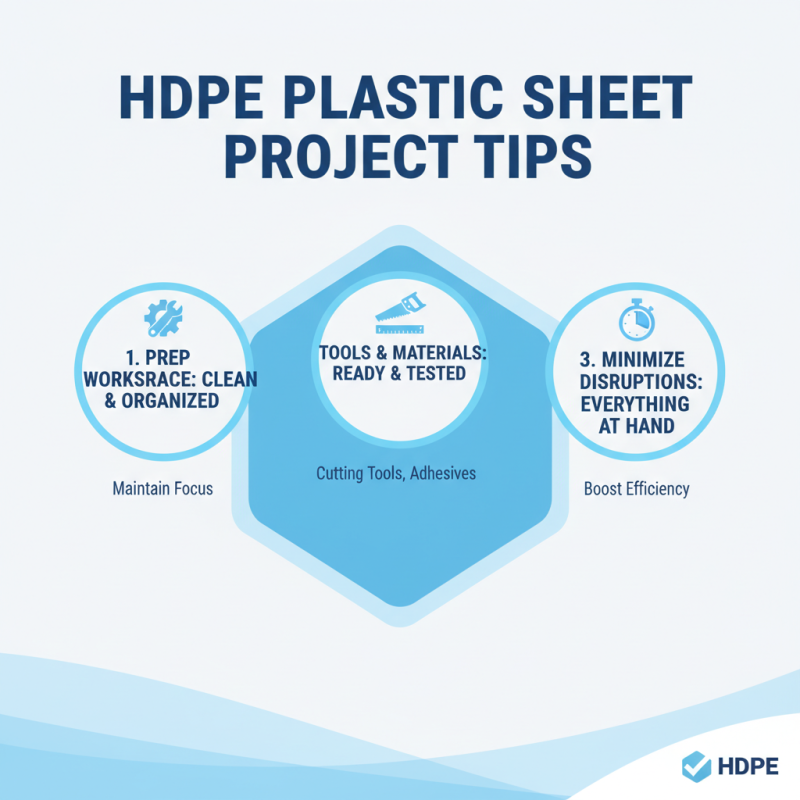
When working with HDPE plastic sheets, preparation is key. Ensure your workspace is clean and organized. It helps in maintaining focus and efficiency. Other materials like cutting tools and adhesives should be readily available and tested beforehand. Having everything at hand minimizes disruptions during the project.
Cutting HDPE sheets can be tricky. Using the wrong tool may lead to jagged edges. A table saw or circular saw works well. Always make sure you are wearing safety glasses. It’s easy to overlook safety gear when in a hurry. Additionally, take your time. Rushing can result in mistakes and wasted materials.
Consider the temperature where you work. HDPE sheets can expand or contract based on heat. Be mindful of this, especially for tight-fitting parts. It’s a common pitfall that many encounter. Ultimately, while HDPE is a durable material, careful planning and execution will yield the best results. Each project enhances your skills, teaching you important lessons along the way.