Top 10 Benefits of Using Geogrid for Pavers?
Geogrid for pavers is becoming an essential topic in modern landscaping and construction. This innovative material provides a wide range of benefits that enhance stability and durability. With its unique structure, geogrid helps distribute loads evenly, making it a popular choice for outdoor surfaces. Many people are realizing the potential of geogrid, yet some may overlook its advantages.
Using geogrid can improve the long-term performance of paver installations. It minimizes soil erosion and reduces the potential for cracks. This can lead to cost savings on repairs and maintenance. The lightweight nature of geogrid means easier handling during installation, but some may find it challenging to connect with existing systems. Understanding how best to utilize geogrid is crucial for maximizing its benefits.
Overall, geogrid for pavers offers a reliable solution for various paving projects. It decreases the risk of movement and shifting over time. While it has clear advantages, some are still hesitant to adopt this technology. Gaining insight into its benefits may inspire more to embrace geogrid solutions.
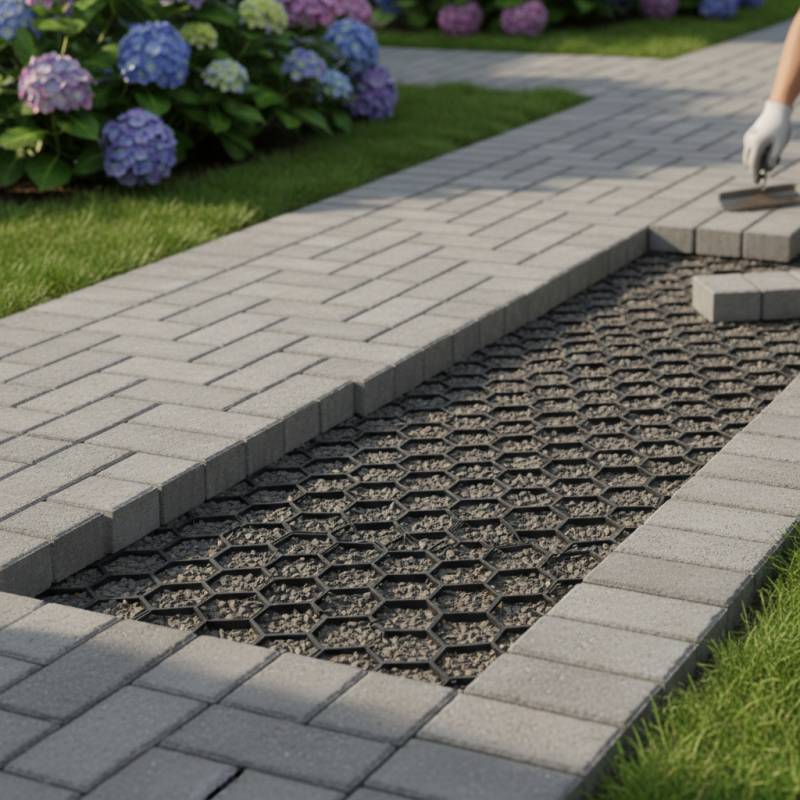
Benefits of Geogrid for Pavers: An Overview
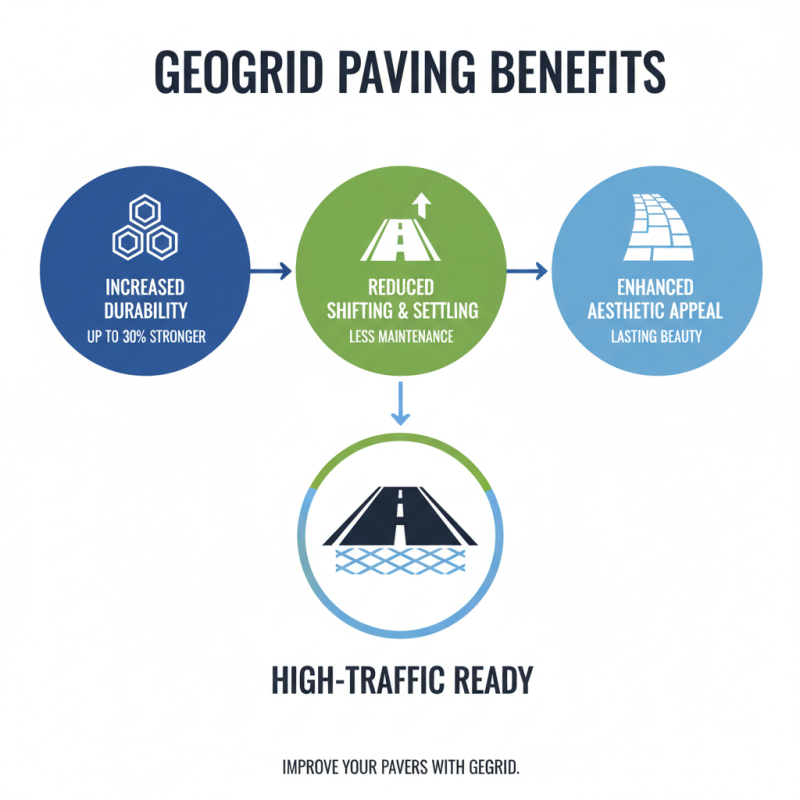
Geogrid has gained popularity in the paving industry due to its numerous benefits. A recent study indicates that using geogrid can improve the overall durability of paver systems by up to 30%. This durability is crucial for high-traffic areas. Pavers supported by geogrid experience less shifting and settling, maintaining aesthetic appeal.
Moreover, geogrid plays a vital role in soil stabilization. It helps distribute loads across a larger area. This reduces soil deformation. Data shows that projects incorporating geogrid can lower maintenance costs by approximately 20% over time. This factor is essential for long-term projects.
However, some contractors still hesitate to adopt this technology. They may find installation more complex compared to traditional methods. There’s a learning curve, which can deter professionals. Understanding the installation nuances is critical for success. While geogrid offers significant benefits, the initial transition may pose challenges. Adjustments in techniques may be necessary to fully realize its potential.
Enhanced Load Distribution with Geogrid Systems
Geogrid systems enhance load distribution for paved surfaces. They improve soil stability. According to the American Geotechnical Institute, these systems can reduce settlement by up to 50%. This significant reduction prevents uneven surfaces and prolongs pavement life.
Geogrids work by redistributing loads over a larger area. They minimize soil deformation under heavy traffic. A study by the International Journal of Pavement Engineering states that using geogrids can increase the bearing capacity of subgrades by 30%. This leads to less maintenance and better performance in the long run.
While geogrids offer benefits, they are not a one-size-fits-all solution. Installation quality is crucial. Improper placement can lead to reduced effectiveness. More research is needed on the long-term effects of geogrid use in varying climates and soil types. Further studies will help determine optimal applications in different environments.
Top 10 Benefits of Using Geogrid for Pavers
Improved Soil Stabilization Techniques Using Geogrids
Geogrids have transformed soil stabilization techniques significantly. They enhance the load distribution and reduce vertical pressure on underlying soil layers. This is crucial, especially in high-traffic areas like parking lots or walkways. Research shows that using geogrids can improve soil stability by up to 50%. This data underscores their effectiveness in supporting paved surfaces.
Moreover, geogrids help prevent soil movement, which can lead to costly repairs. They provide a framework that disburses loads evenly, reducing the risk of pavement cracking. For instance, studies indicate that pavers reinforced with geogrids experience less deformation under heavy loads. This is important, as cracked surfaces not only look unappealing but also pose safety risks.
While implementing geogrid technology appears advantageous, it requires careful installation and design. Improper applications can lead to insufficient stabilization. Construction teams must be well-trained. Over-reliance on geogrids without understanding soil conditions may lead to unexpected failures. Collecting site-specific data is vital for optimal performance. This approach maximizes the benefits while minimizing potential setbacks.
Cost-Effectiveness of Geogrid Applications for Paving Projects
Using geogrid for paving projects offers
remarkable cost-effectiveness. This material enhances the structural stability of pavements, reducing the
need for excessive materials. With better load distribution, it can extend the lifespan of pavers
substantially. This can lead to significant savings over time.
Consider how much you can save by reducing maintenance costs. Geogrids help prevent settling and
cracking in your pavement. Employing geogrids also minimizes the need for thick layers of base materials.
Using less material means lower initial expenses. However, you may need to invest time in
proper installation. Neglecting this can lead to issues down the line.
Tips: Always assess your soil conditions before installation.
This will optimize the geogrid's performance. Ensure your team is trained on proper techniques. Missteps during
installation can negate cost savings. Keep an eye on traffic patterns too. Understanding usage will guide
decisions on necessary thickness and materials.
Environmental Considerations: Sustainability of Geogrid Materials
Geogrid materials are gaining attention for their sustainability benefits in paving projects. Made from recycled plastics or natural fibers, they provide a greener alternative to traditional paving solutions. Reports indicate that using geogrids can reduce material waste by up to 30%. This helps minimize the environmental impact of construction activities.
Landfills are a growing problem. The use of geogrids can cut down the volume of waste generated during paving. In some studies, it was found that geogrids enhance soil stability as well. This can lead to reduced need for additional materials, cutting down further on resource use. Combining sustainability with performance, geogrids offer long-lasting solutions.
Tips: Consider using geogrids in public spaces. They improve water drainage and reduce erosion. Remember, not all geogrid products are created equal. Research the materials and their lifecycle impact before making decisions.
Investing in geogrids is not just about immediate costs. The long-term benefits can prove valuable, but it's essential to weigh these factors carefully. Implementing geogrids could mean navigating challenges in production quality and environmental regulations, but the potential benefits are significant.