Top 10 Benefits of Hdpe Geomembrana for Global Buyers?
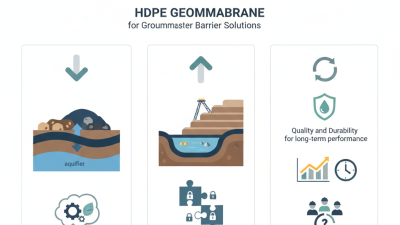
In today's world, environmental concerns drive innovation in materials. One such innovation is the HDPE geomembrana. This high-density polyethylene product offers remarkable advantages for various applications. Its strength and durability make it a preferred choice for global buyers.
The benefits of HDPE geomembrana extend beyond mere functionality. This material provides excellent resistance to chemicals and environmental stress. It also plays a crucial role in waste management, agriculture, and construction. Buyers appreciate the cost-effectiveness and longevity of HDPE geomembrana.
However, choosing the right product requires careful consideration. Not all HDPE geomembranas are created equal. Quality varies among manufacturers. Therefore, buyers should seek products with certified standards. Investing in reliable materials ensures better project outcomes. Understanding the true benefits of HDPE geomembrana is essential for making informed decisions.
Benefits of HDPE Geomembranes in Environmental Protection Applications
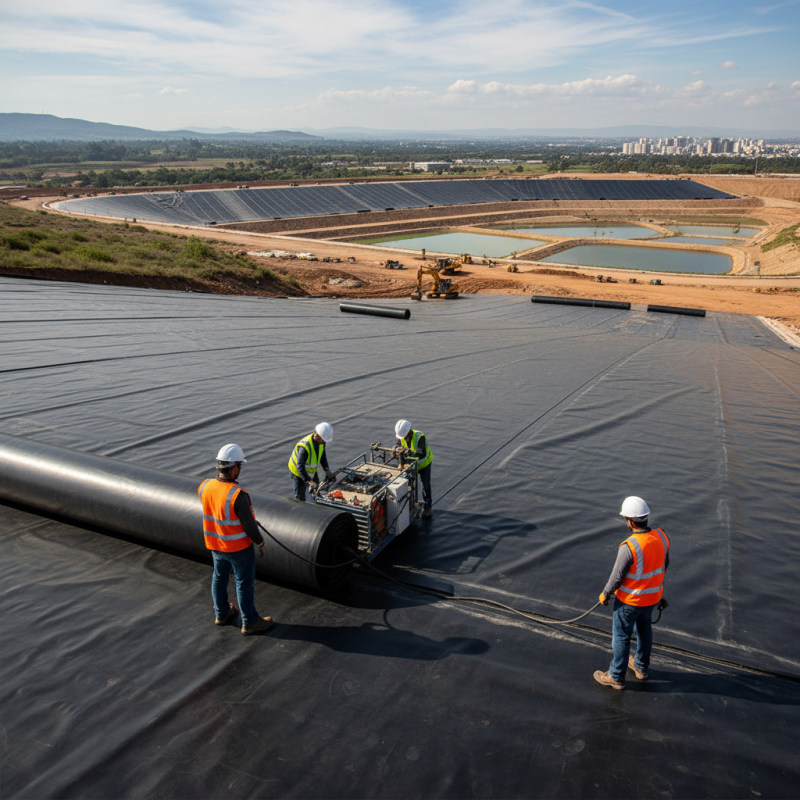
HDPE geomembranes play a crucial role in environmental protection applications. These durable liners are essential for waste containment in landfills, ensuring that toxic substances do not leach into the soil or groundwater. According to the Environmental Protection Agency, improper landfill management can lead to severe contamination, affecting local water supplies and ecosystems. HDPE geomembranes’ strength and impermeability significantly reduce this risk.
In addition to landfill applications, HDPE geomembranes are effective in mining and aquaculture. They help control water pollution from mining waste and support fish farming by managing water quality. Reports show that using HDPE liners can improve water retention by up to 50%, leading to better resource management. This is pivotal in regions challenged by water scarcity.
**Tip:** Regular inspections of HDPE liners can prevent leaks. Even minor damage can result in significant environmental issues. Always ensure proper installation to maximize their effectiveness.
Though HDPE geomembranes are reliable, some might argue about their environmental impact at the end of their life cycle. Recycling options are limited; therefore, stakeholders must consider the long-term implications of using these materials. Awareness of recycling avenues can help mitigate potential waste issues.
Top 10 Benefits of HDPE Geomembranes for Global Buyers
Cost-Effectiveness of HDPE Geomembranes in Industrial Projects
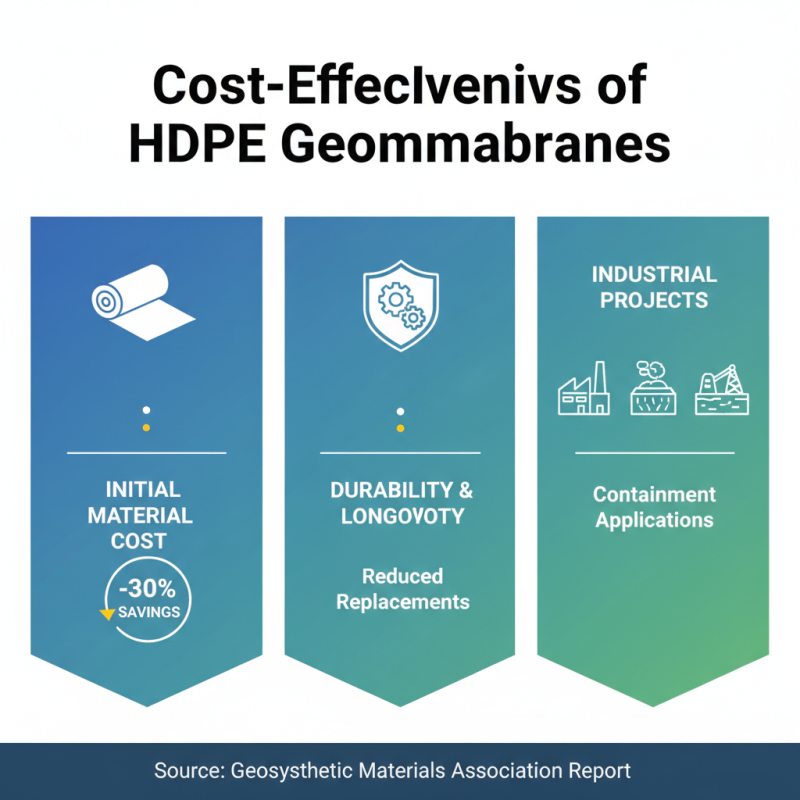
HDPE geomembranes are becoming increasingly popular due to their cost-effectiveness in industrial projects. A report from the Geosynthetic Materials Association shows that HDPE offers significant savings, particularly in containment applications. Companies using HDPE report a reduction in initial material costs by up to 30% compared to other options. This price advantage is derived from HDPE’s durability and longevity, which reduce the need for frequent replacements.
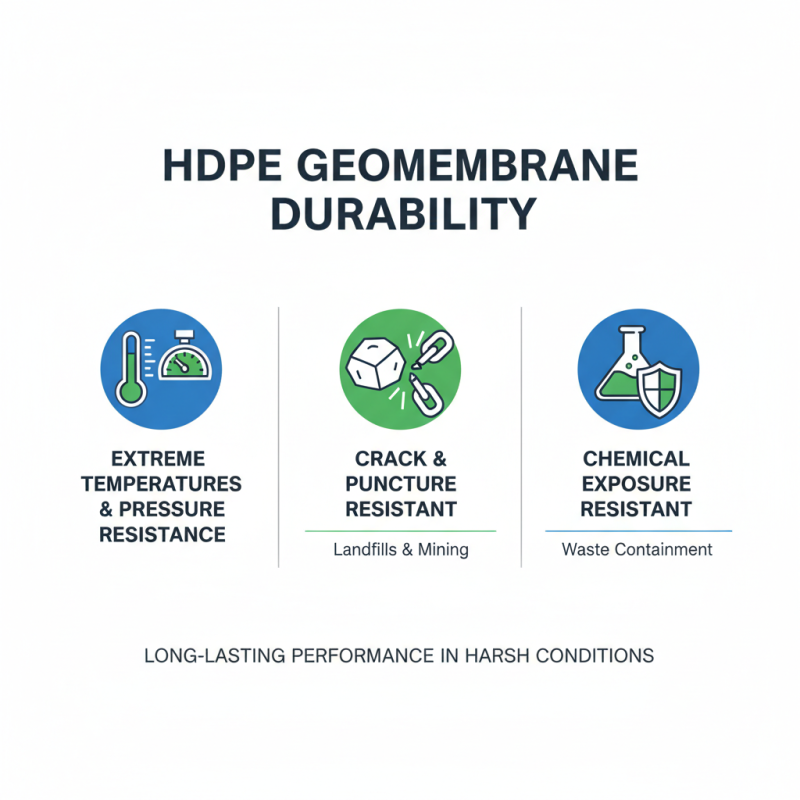
In addition to initial savings, HDPE geomembranes provide robust performance. They excel in various environmental conditions, maintaining integrity over time. A study by the Environmental Protection Agency highlights that HDPE retains its properties even in extreme temperatures, contributing to its lifecycle efficiency. Such durability translates to fewer maintenance costs, estimated to save businesses thousands annually.
However, challenges arise in installation and handling. Improper installation can lead to leaks, negating cost benefits. Training for installation crews is essential, but often overlooked. Some companies initially focus on price, forgetting about the importance of skilled labor. Investing in training can enhance the effectiveness of HDPE geomembranes, ensuring they deliver the promised long-term savings and reliability.
Comparison of HDPE Geomembranes with Other Liner Materials in Performance
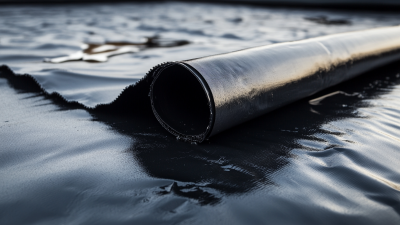
HDPE geomembranes have gained popularity for their impressive durability and performance. Compared to traditional liner materials like PVC and concrete, HDPE offers superior resistance to chemicals and punctures. This makes it an ideal choice for various applications, including landfills and containment systems. HDPE's flexibility ensures it adapts well to different surfaces, enhancing its effectiveness.
Tips: Always consider the specific environmental conditions when choosing liner materials. Extreme temperatures or chemical exposure can impact performance.
Moreover, HDPE geomembranes are lightweight, making installation easier. This feature reduces labor costs and time on site. In contrast, heavier materials may require more extensive support systems. Furthermore, HDPE's UV resistance helps maintain its integrity over years of exposure. This longevity means fewer replacements and repairs, leading to cost savings over time.
Understanding the differences between materials is crucial. While HDPE shines in many areas, there may be cases where alternative options could prove beneficial. Evaluate the project requirements thoroughly to make an informed decision.
Tips: Always consult with experts to tailor solutions to your project's unique needs. Being open to various options can reveal unexpected advantages.
Innovative Uses of HDPE Geomembranes in Wastewater Management Systems
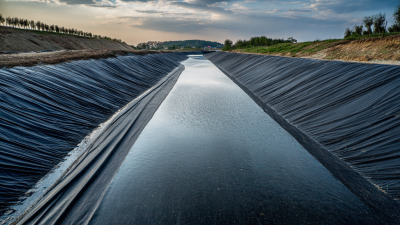
HDPE geomembranes play a crucial role in wastewater management systems. These high-density polyethylene liners provide a reliable barrier, preventing contaminant leakage. They create a secure environment for the storage and treatment of wastewater. The durability of HDPE materials ensures long-term performance, even in harsh conditions.
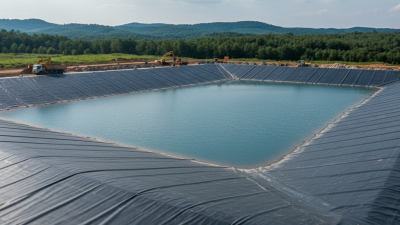
One innovative application involves using HDPE geomembranes in landfill leachate management. They effectively contain the toxic byproducts, reducing the risk of groundwater pollution. In addition to landfills, these geomembranes are used in ponds and lagoons for slurry containment. Their flexible nature allows for easy adaptation to different site requirements.
Despite their advantages, challenges exist. Installation requires careful planning to prevent potential tears or faults. Regular inspections are necessary to maintain integrity. Educating workers about proper handling is essential to minimize risks. These considerations highlight the need for a well-trained team to maximize the benefits of HDPE geomembranes in wastewater management.